Upload / Capture
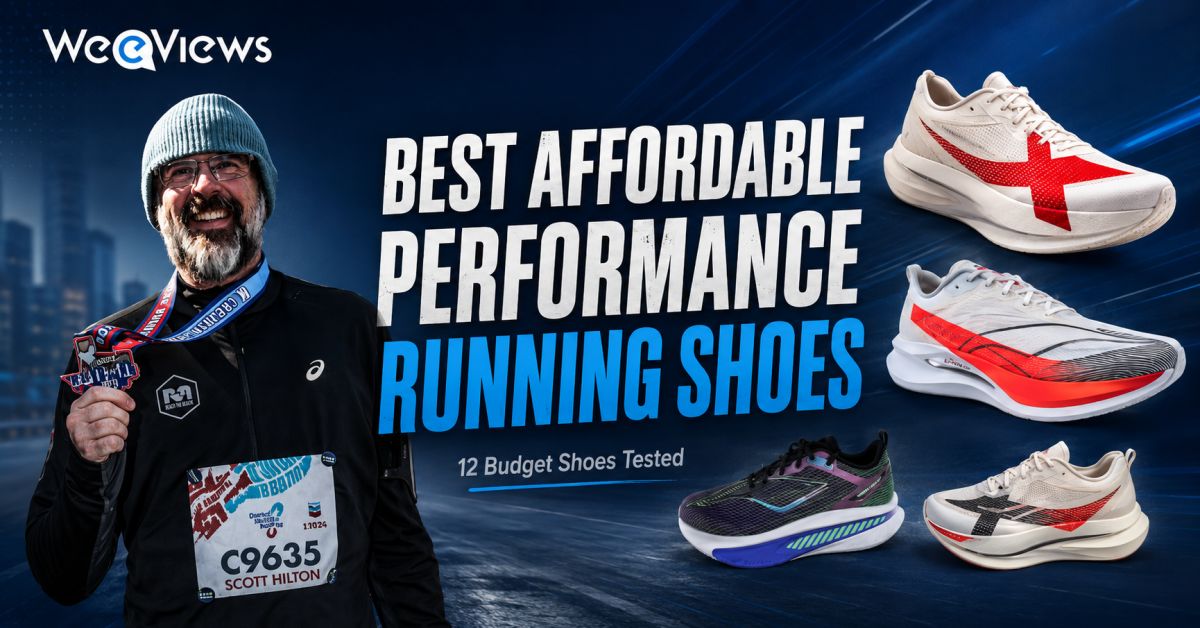
Two things happened over the last year and a half that sent me down this running shoe rabbit hole.
For this guide, “affordable performance running shoes” simply means daily trainers, plated trainers, max-cushion shoes, and race-day-adjacent shoes that cost less than comparable Western-market models while still offering performance-focused foams, outsoles, geometry, or plates.
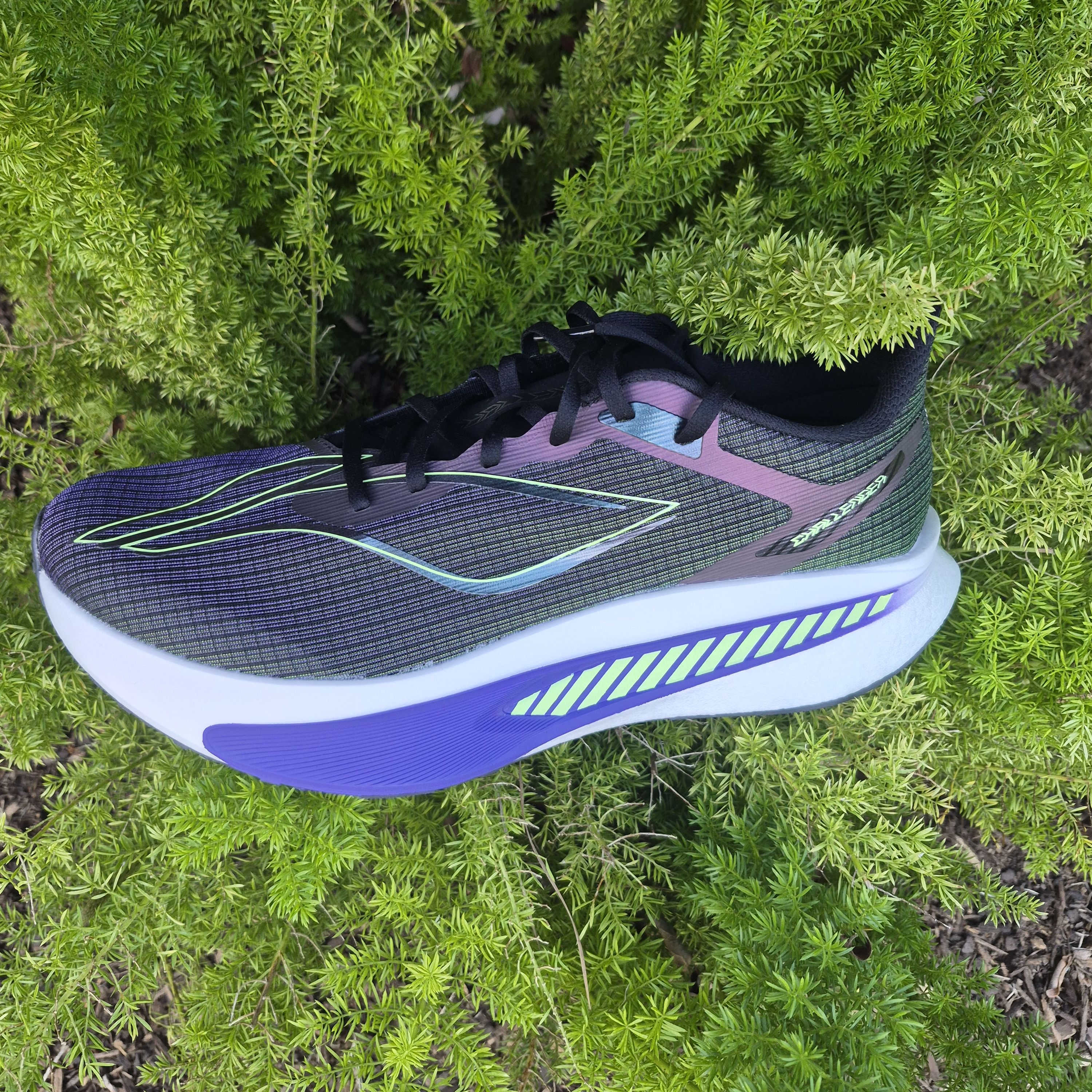
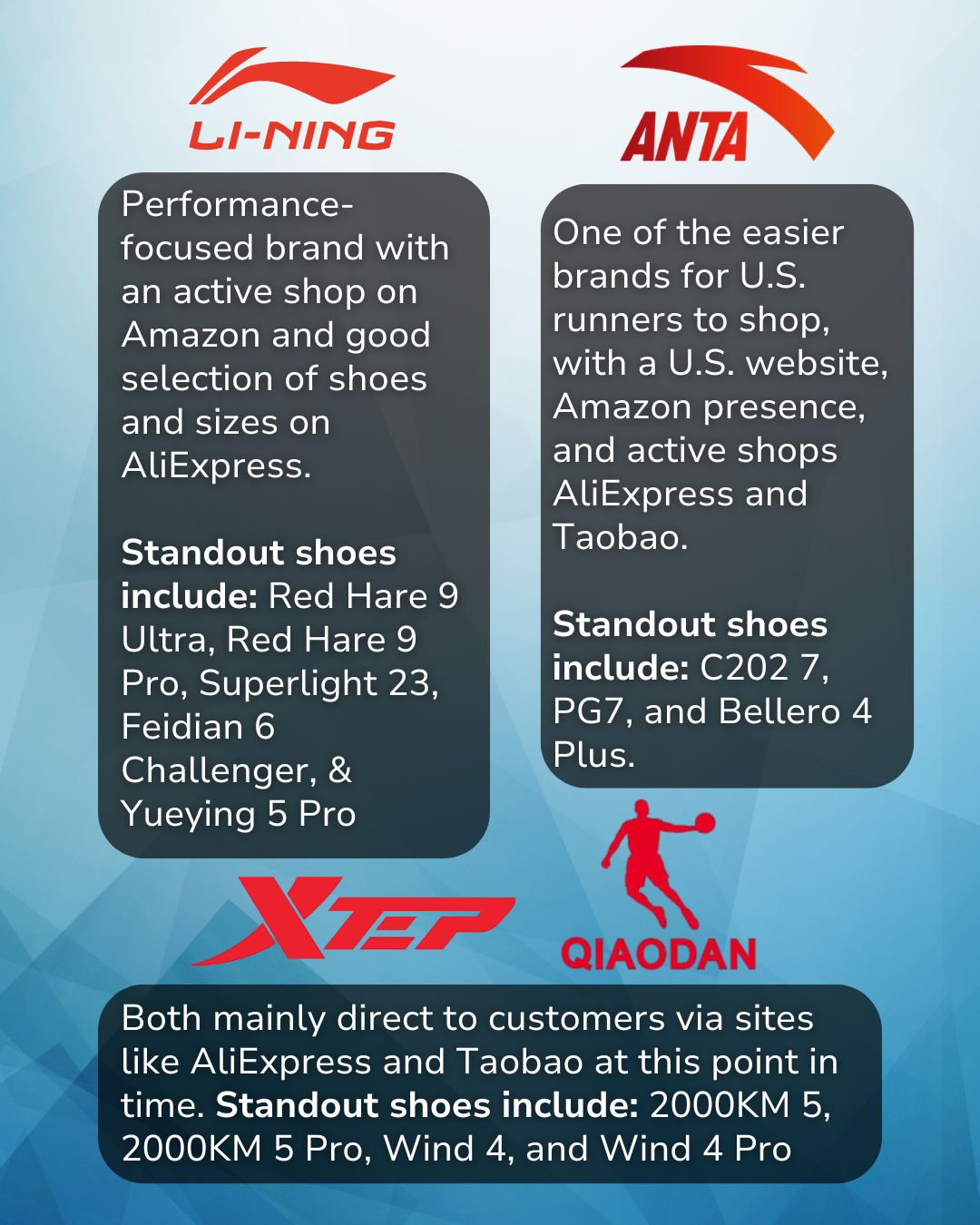
At first, I identified four shoes that seemed worth testing. The goal was simple: find out whether these “brands from the East” could meet real running expectations while saving runners some money. WeeViews agreed to support the idea and I discovered AliExpress, an online shopping website that brings affordable products from China to a wider customer base. The project quickly turned from four shoes into 12 shoes across four brands.
My testing philosophy was this: I put each shoe on, walked around, figured out what type of trainer it seemed to be, and then built the test miles around that use case.
If the shoe changed after some mileage, or if it surprised me once I started running, I adjusted.
Each individual review includes a deeper “deets and usage” section, so if you want the full breakdown on a specific shoe, I recommend jumping into those reviews too. And if you have questions, drop a comment. I’ll do my best to respond.
By the end of the project, I had logged 621 total review miles across the 12 shoes, which comes out to nearly 52 miles per shoe.
I chose to order from the safest-feeling websites first. Amazon was my first stop, which did not end well for a few pairs. Then I ordered directly from Anta, since they now have U.S. distribution and a brick-and-mortar store in Los Angeles. Finally, I took the plunge and tried AliExpress.
So, with the buying experience out of the way, here’s how the 12 shoes stacked up after 621 total review miles...
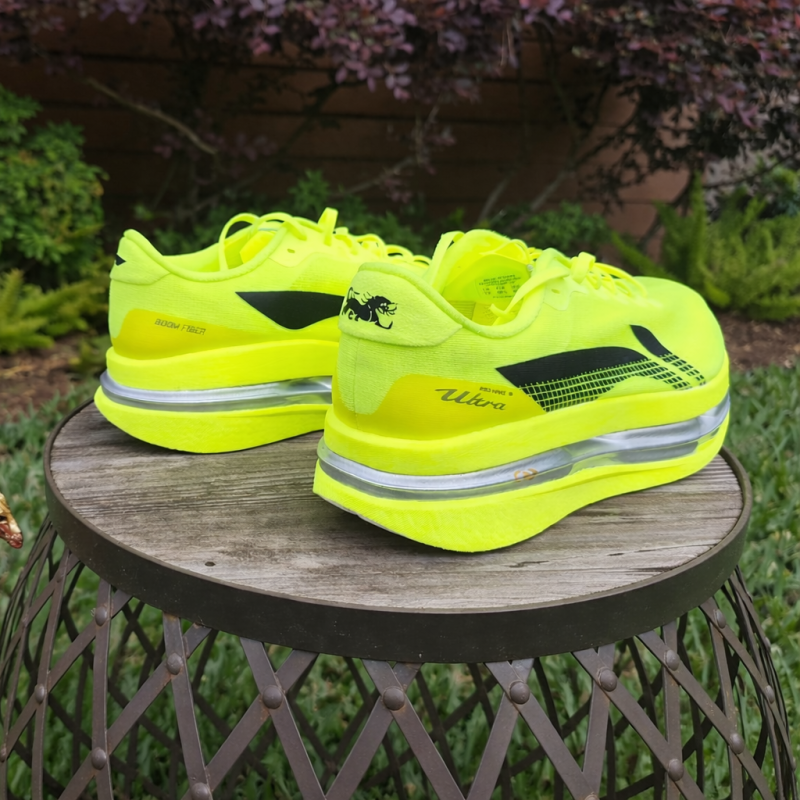
Scott’s “most dynamic” shoe of the test, this high-stack super trainer brings a unique pogo-stick bounce, excellent outsole durability, and a very fun ride for daily-to-long runs. The catch? It can be hard to find and may feel slightly unstable for some runners. The Red Hare 9 Ultra is the wild card of the group in the best way: hard to get, hard to compare, and hard not to enjoy if you like a big, bouncy super trainer.
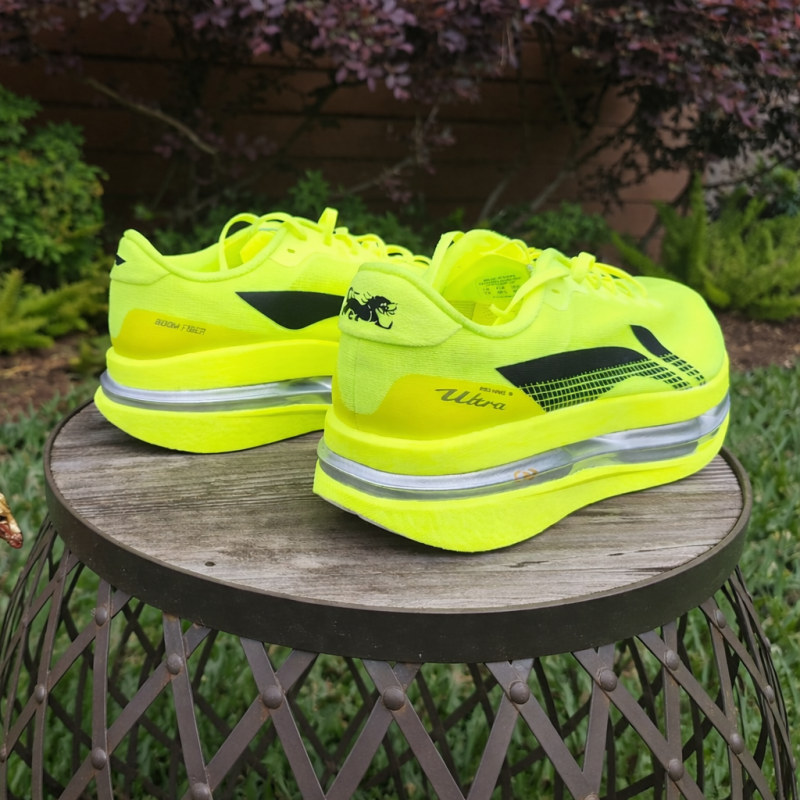
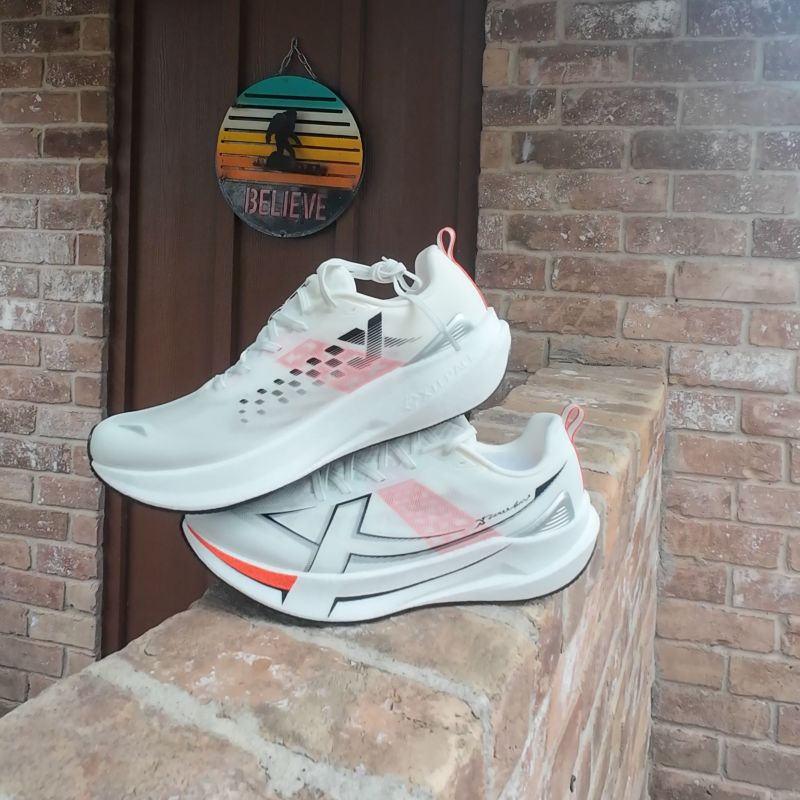
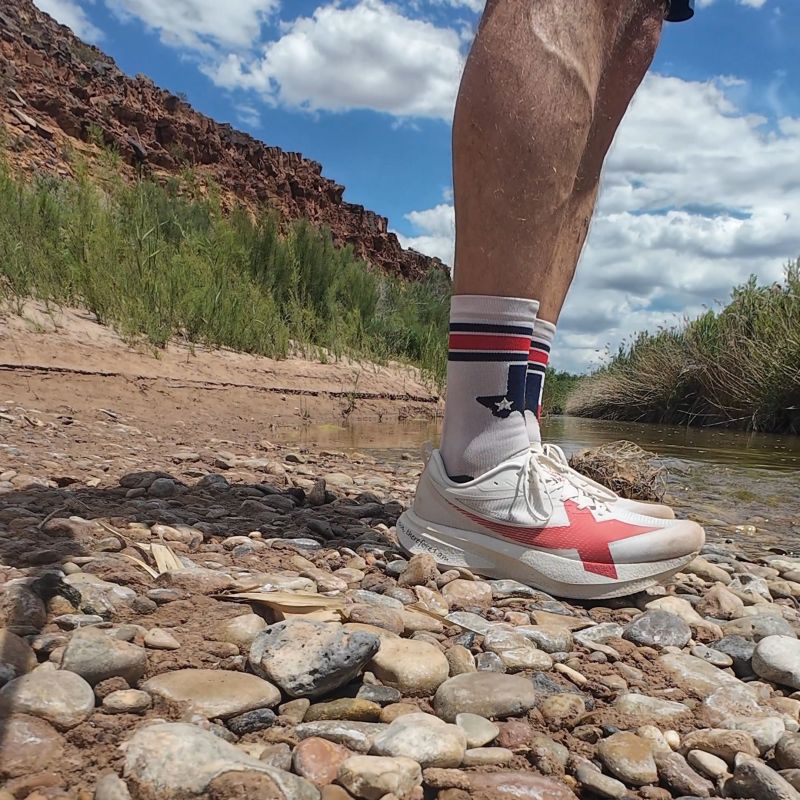
A high-cushion, steady-cruising trainer that punches way above its price. Scott found the XTEP 2000KM 5 Pro protective enough for long runs, snappy enough for steady efforts, and durable enough to make its sub-$100 price feel like the strongest cost-to-performance value of the whole project.
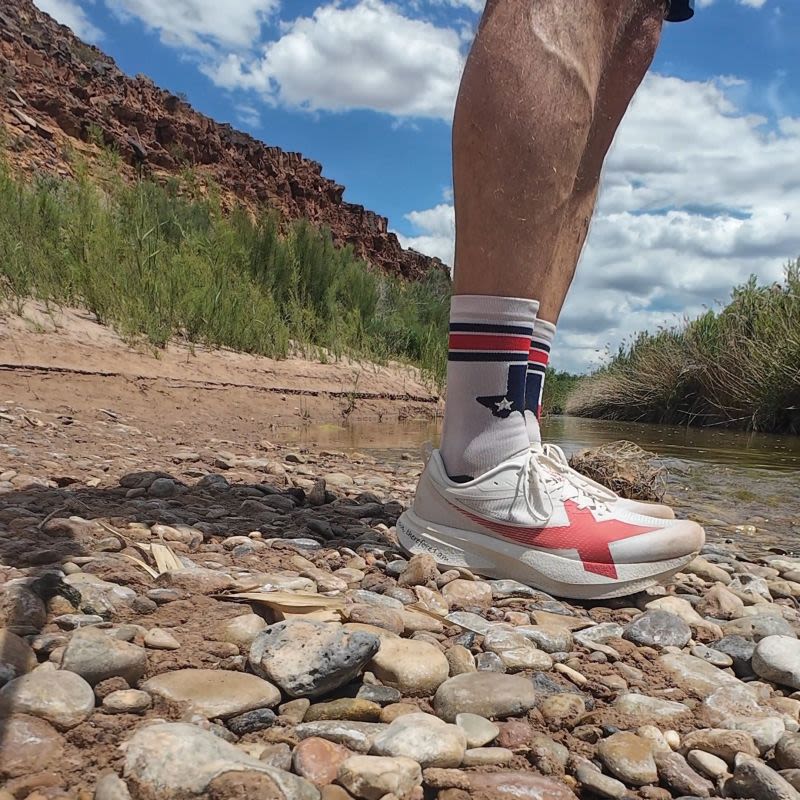
A carbon-plated tempo shoe that surprised Scott with its versatility. The Feidian 6 Challenger felt light, snappy, and efficient at faster paces, but it did not punish him when he used it for slower daily miles, making it one of the most well-rounded plated options in the test.
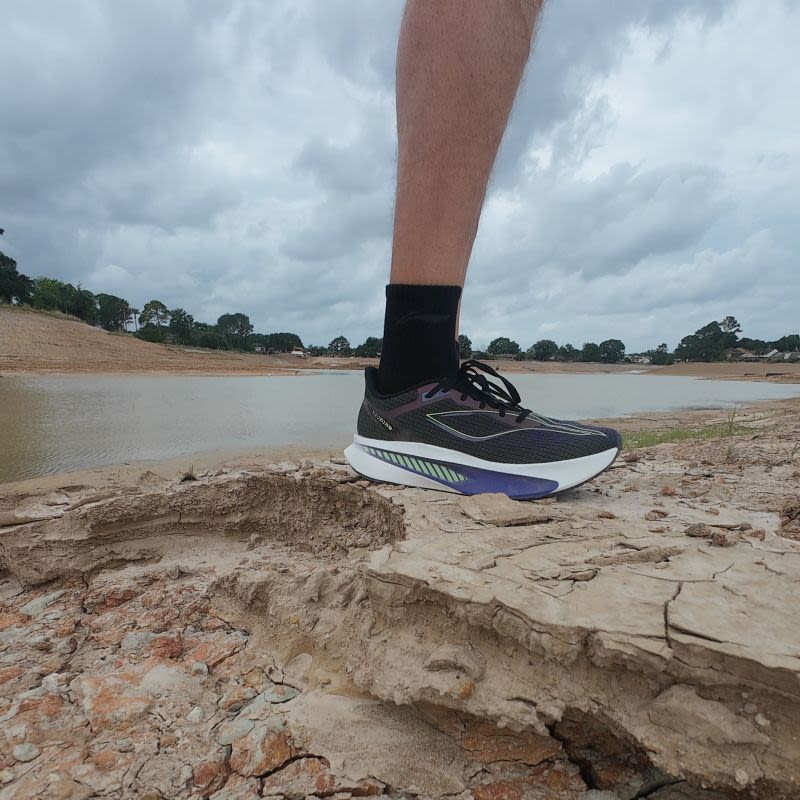
A fully carbon-plated performance shoe that delivered one of the biggest “wait, why aren’t more people talking about this?” moments of the project. Scott found the C202 7 smooth, bouncy, breathable, and surprisingly comfortable across workouts, long runs, and race-day-style efforts.
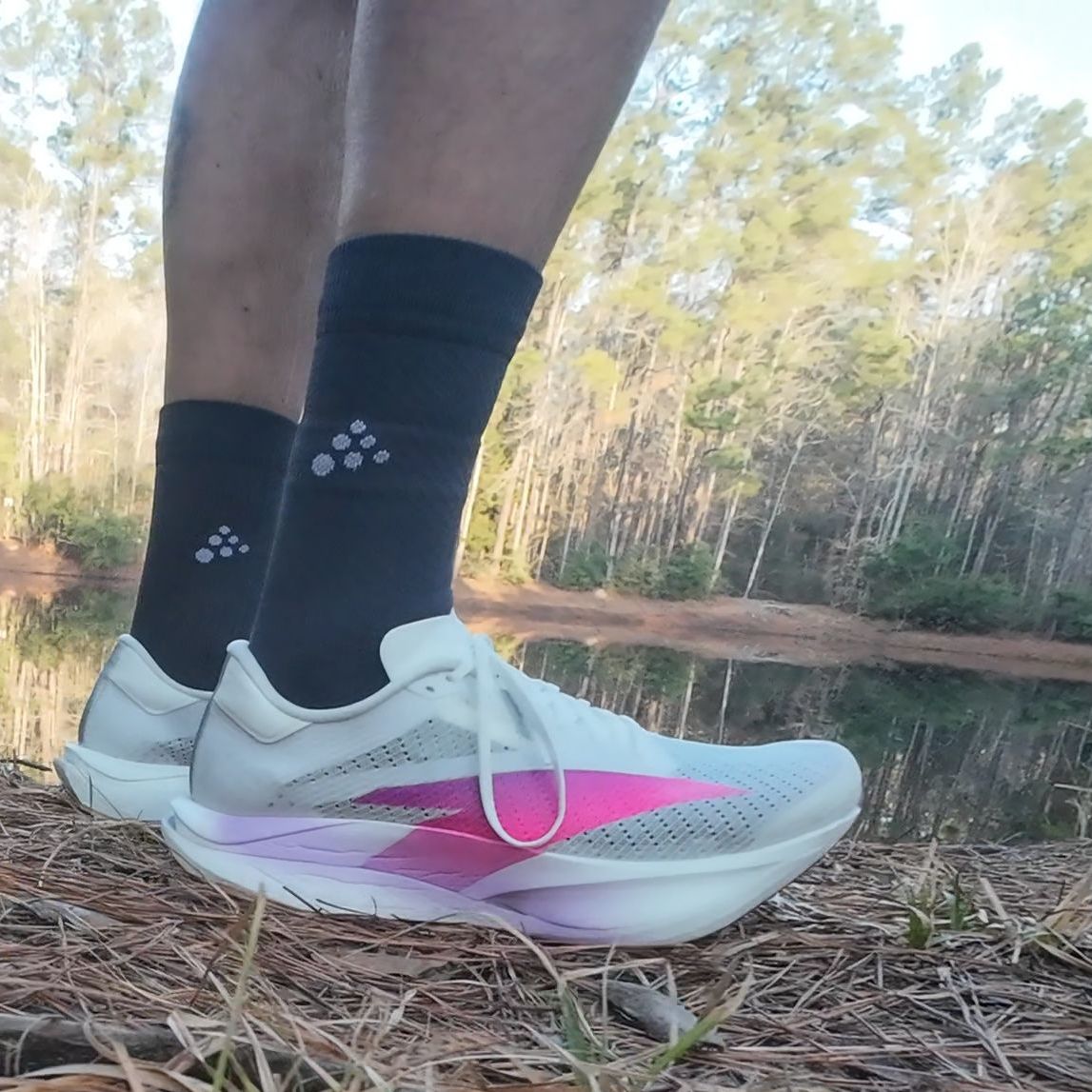
A lightweight, versatile daily trainer with enough snap for faster efforts. Scott found the Red Hare 9 Pro comfortable, efficient, and responsive underfoot, making it a strong option for runners who want one shoe that can cover daily miles, tempo work, and longer runs without the price tag of many Western-market trainers.
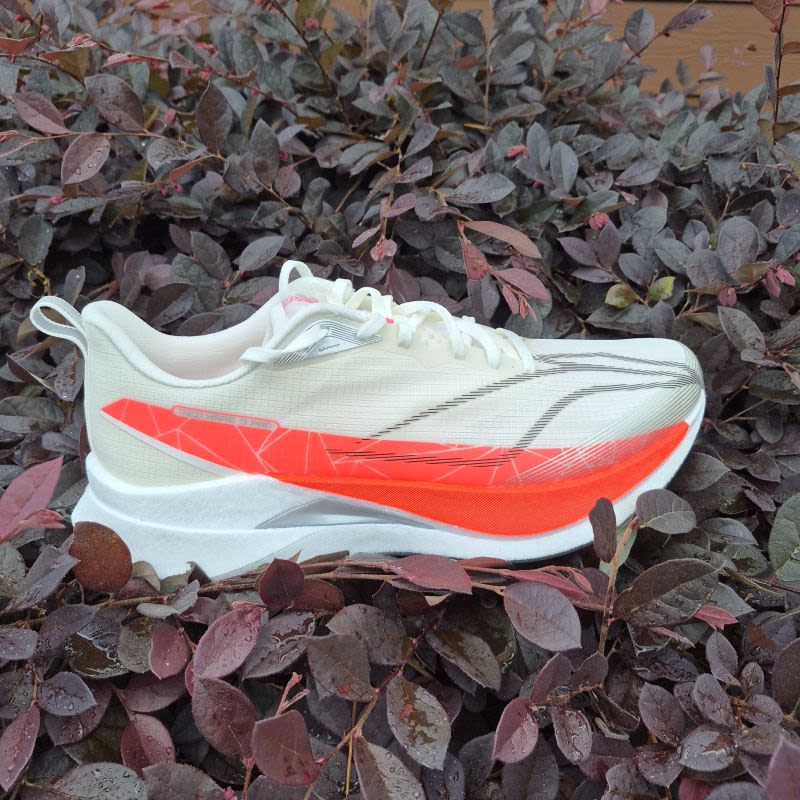
A comfortable, good-looking daily trainer that works just as well around the office as it does on steady runs. Scott found the Bellero 4 Plus smooth, springy, and surprisingly refined for the price he paid, though its value depends heavily on current pricing.
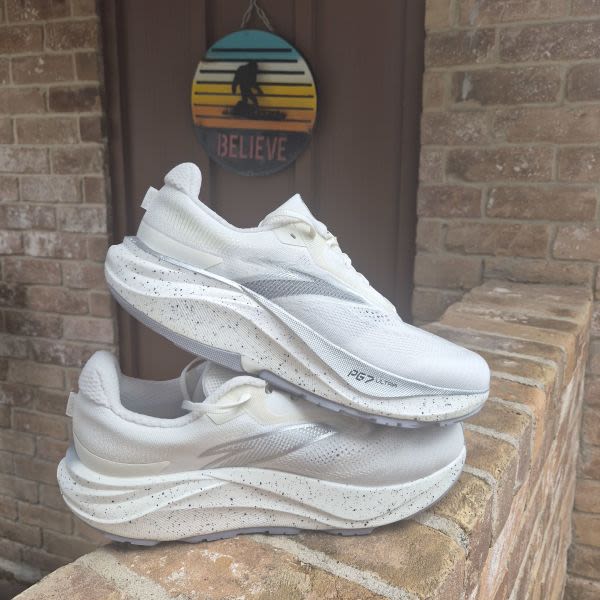
A lightweight daily trainer built for the less glamorous miles, in the best way. Scott found the XTEP 2000KM 5 firm at first, but after a short break-in period, it settled into a snappy, flexible, durable workhorse that handled daily miles, steady efforts, long runs, walking, travel, and even light trail.
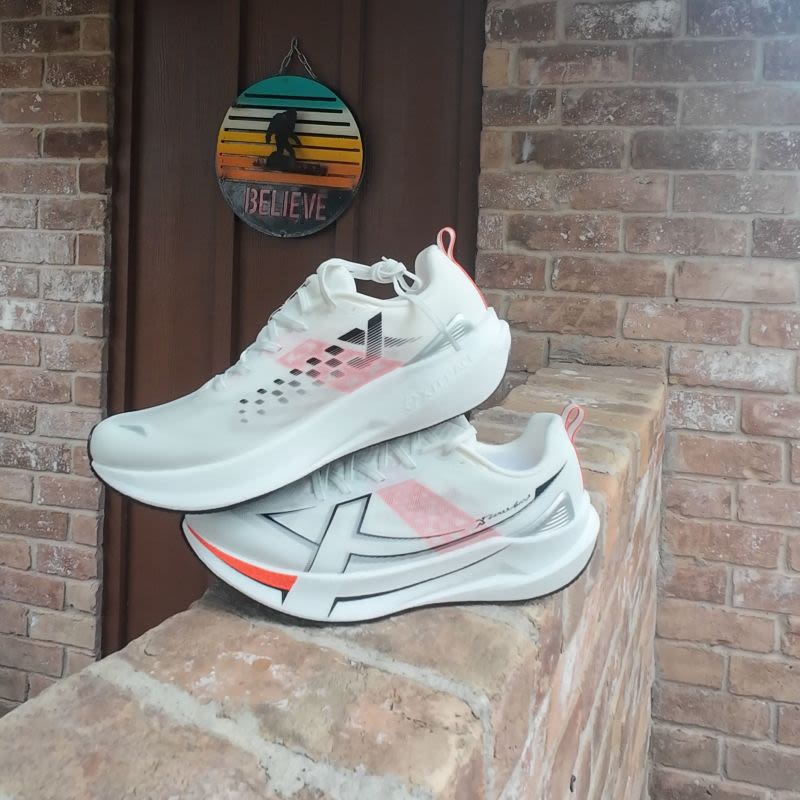
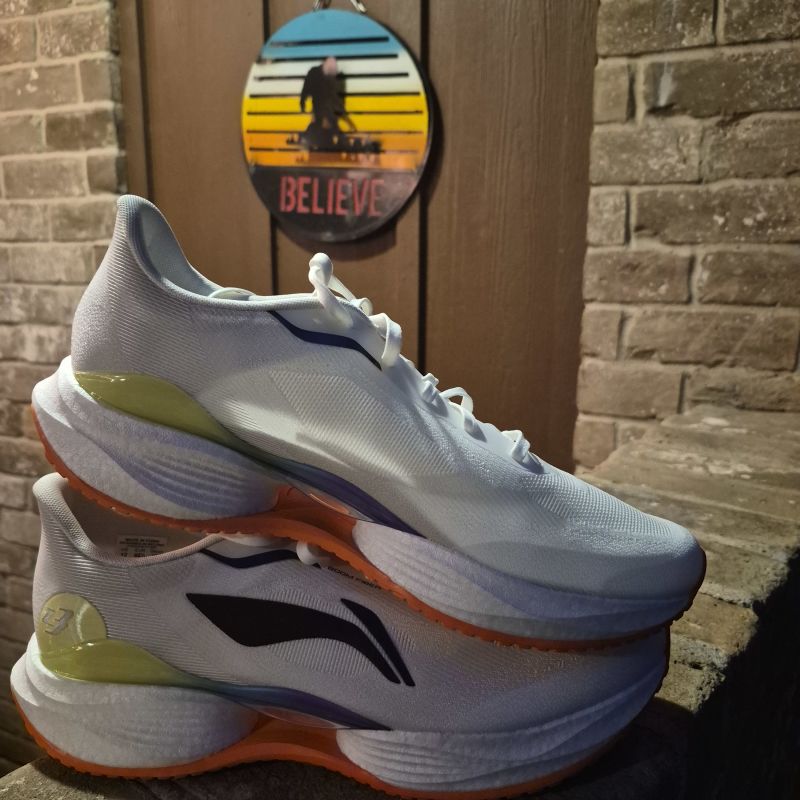
A true surprise in the project, the Li-Ning Superlight 23 delivered more fun than expected for speed work, track sessions, and shorter tempo runs. Scott found it light, snappy, breathable, and especially enjoyable when the pace picked up, though he’d keep it mostly to shorter efforts rather than long-run duty.
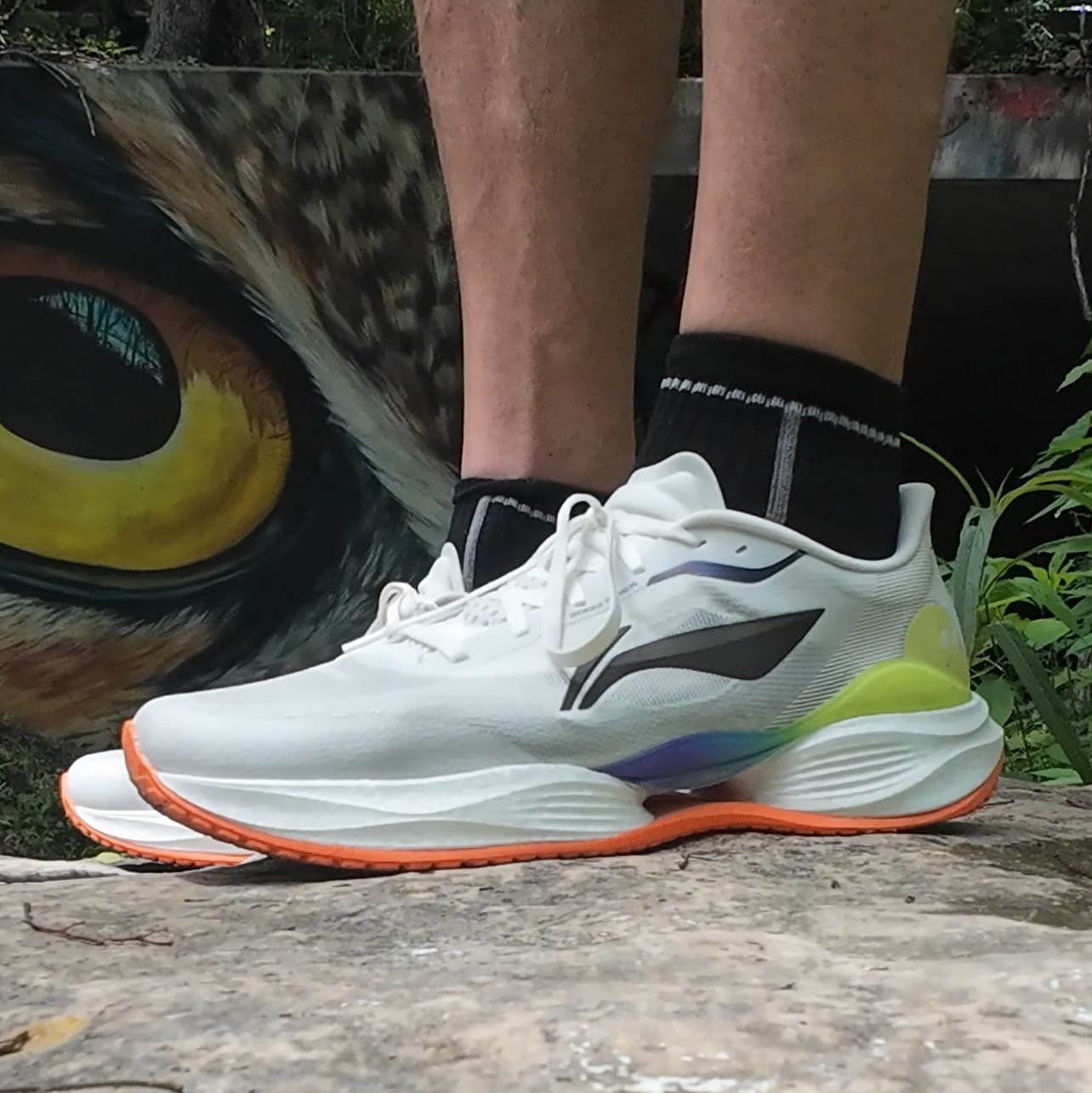
A bouncy daily trainer that ended up being more fun than expected once the run got rolling. Scott had some issues with the upper and noted outsole wear in his high-rub area, but the Wind 4’s smooth, energetic ride made it a standout surprise for daily miles, tempo work, and longer efforts.
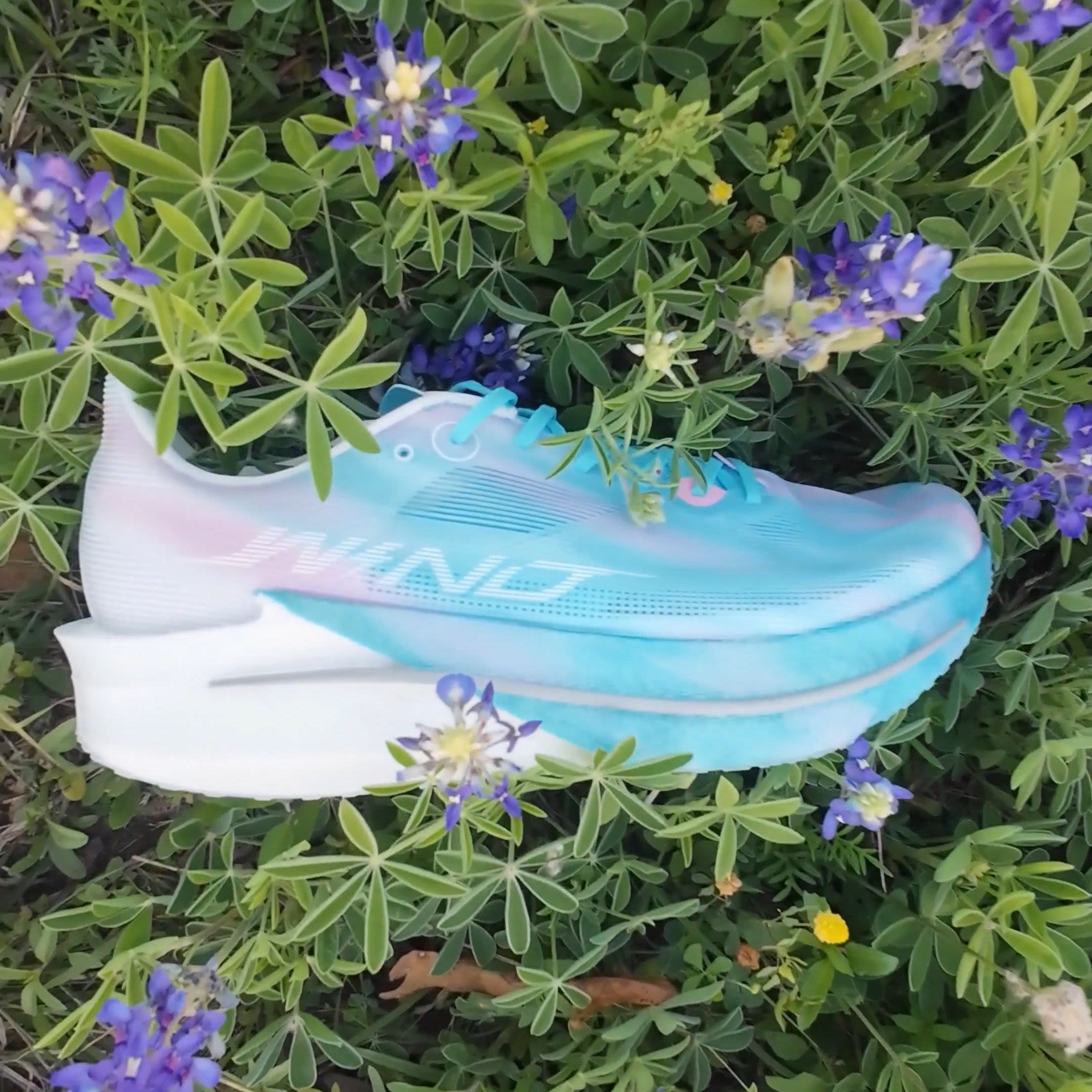
Not every shoe in the project earned a top “best of” slot, but these three still tell an important part of the budget performance shoe story. The Anta PG7, Qiaodan Wind 4 Pro, and Li-Ning Yueying 5 Pro each have a narrower use case, making them better fits for specific runners than universal recommendations.
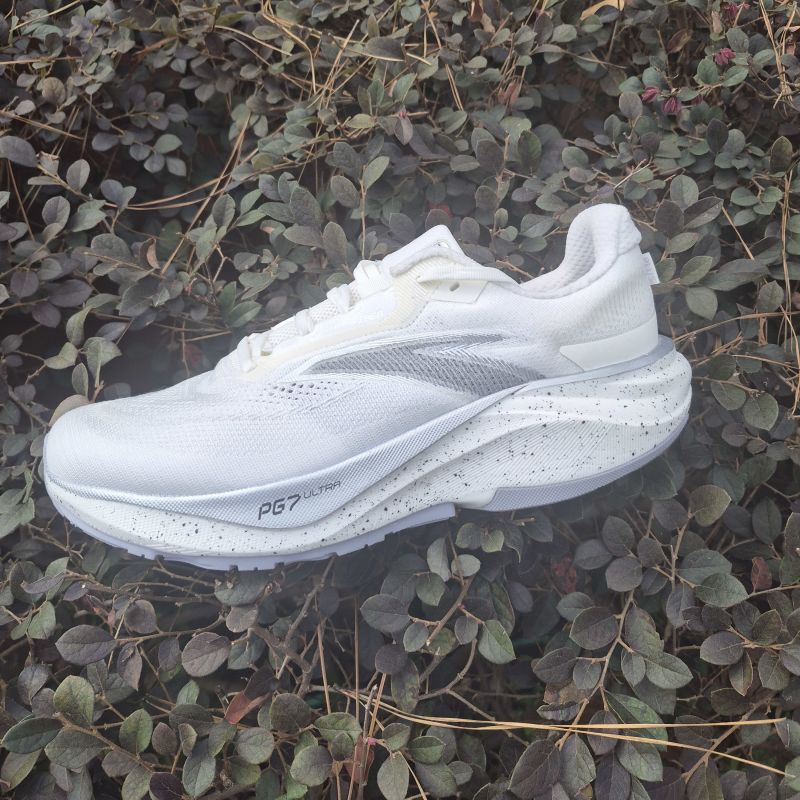
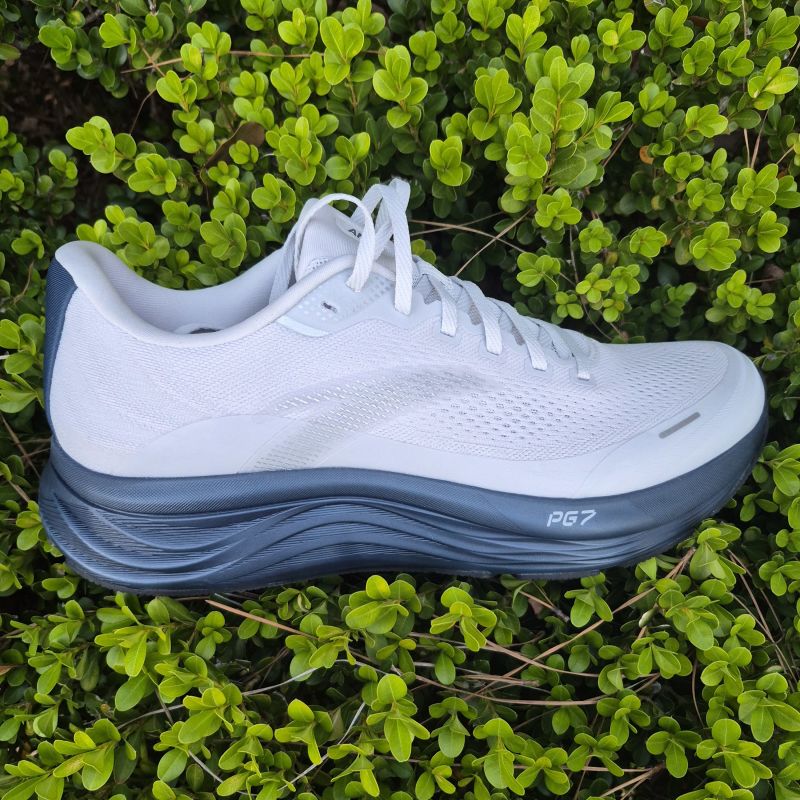
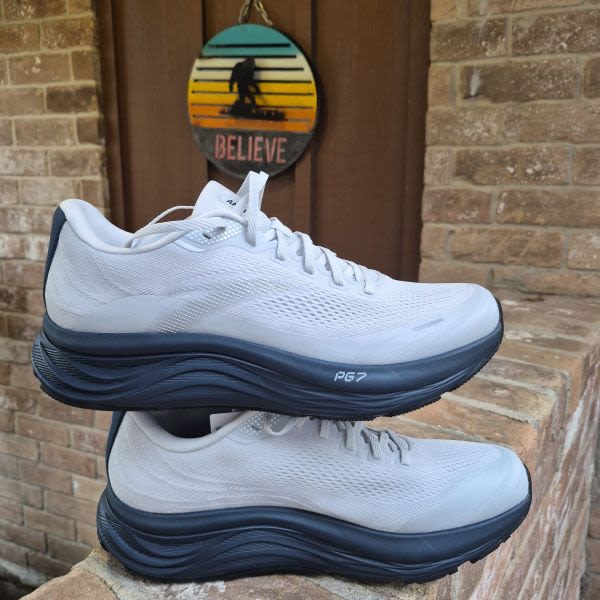
The Anta PG7 is the most basic shoe in the project, but not in a bad way. Scott found it durable, protective, and comfortable enough for daily runs, walking, office wear, and travel-style use. It does not have the lively foam or fun factor of the standout shoes, but for runners who want a sturdy under-$100 trainer, it fills that role well.
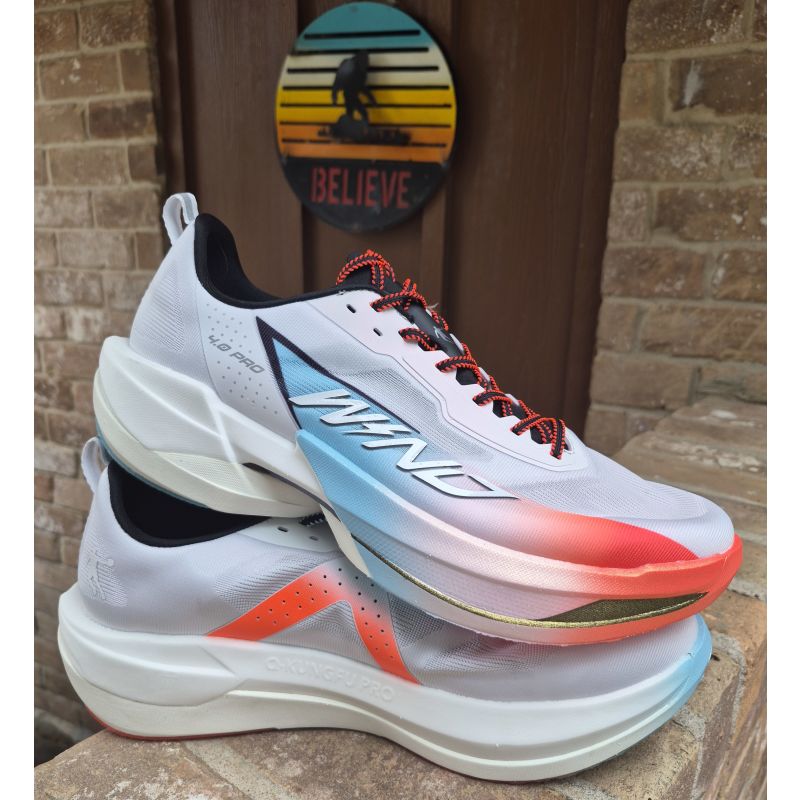
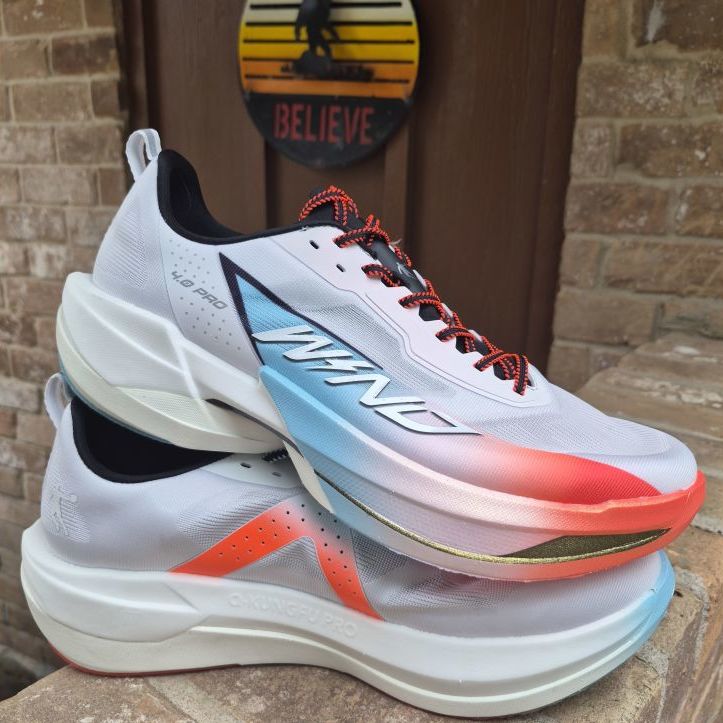
The Qiaodan Wind 4 Pro is a carbon-plated tempo shoe that may reward the right runner more than it rewarded Scott’s natural mechanics. While it felt a little clunky with his longer-stride, lower-cadence style, the shoe became much smoother and more efficient when he picked up cadence, making it a better fit for runners who naturally turn over quickly.
The Li-Ning Yueying 5 Pro looked like it might be a budget-friendly Superblast-style shoe, but Scott found it to be more of a protective, steady-cruising max-cushion trainer. It needed a short break-in period, then settled into a smooth, stable ride that worked well for long easy-to-steady miles without feeling overly soft or unstable.
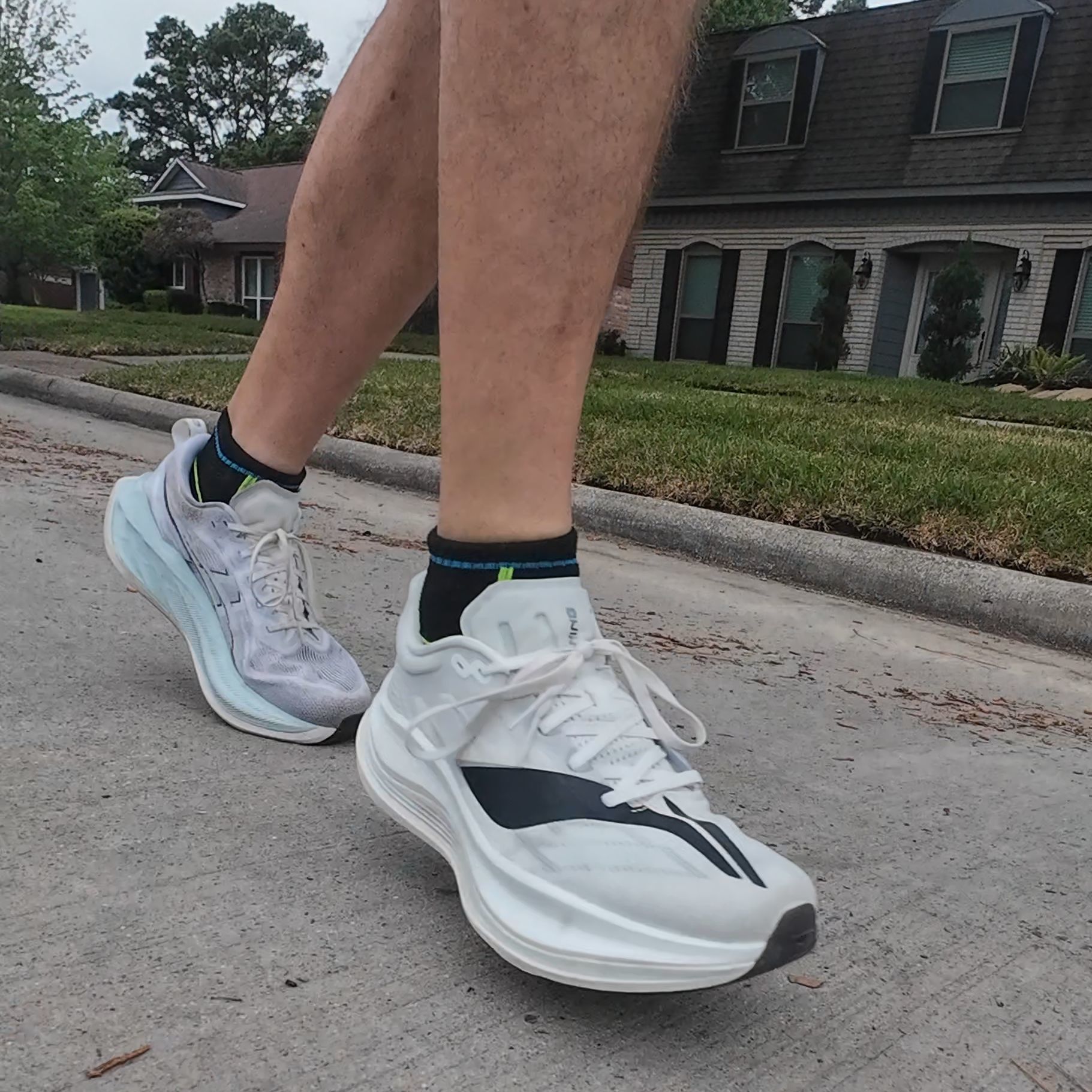
After 621 total review miles, the biggest takeaway was not just that several of these shoes performed well. It was that buying them is a little different from buying a familiar shoe from a familiar U.S. running brand.
The performance value can be excellent, but there are a few things to know before clicking “add to cart.”
Chinese brands do not really have the same affinity for providing shoe details that us Western consumers are used to getting. They are difficult to come by and often not accurate. I had to do a lot of educated and comparison guess work.
While this is probably the most frustrating aspect, it probably saved me some money. My size 12 is not common in Chinese shoes. Li-Ning is probably the most consistent with having size 12 available, but overall it is common for me to see a shoe I have interest in and it isn’t made in my size.
Related: Best Running Shoes for Narrow Feet (2026): What Actually Works According to Real Runners
Follow official stores, watch pricing, check size charts, and expect price swings.
The better word here is “value.” Many of these shoes cost less than comparable Western-market trainers, but my experience was not that they felt cheap. In several cases, the materials, ride quality, and outsole durability punched well above the price. From high end foams to top notch outsole material, these brands are ready to put it directly into shoes going out to consumers. Their outsoles--from a durability and performance perspective--outperform Western brands. So in addition to overall value propositions in a cost perspective, they are also outperforming in a durability perspective.
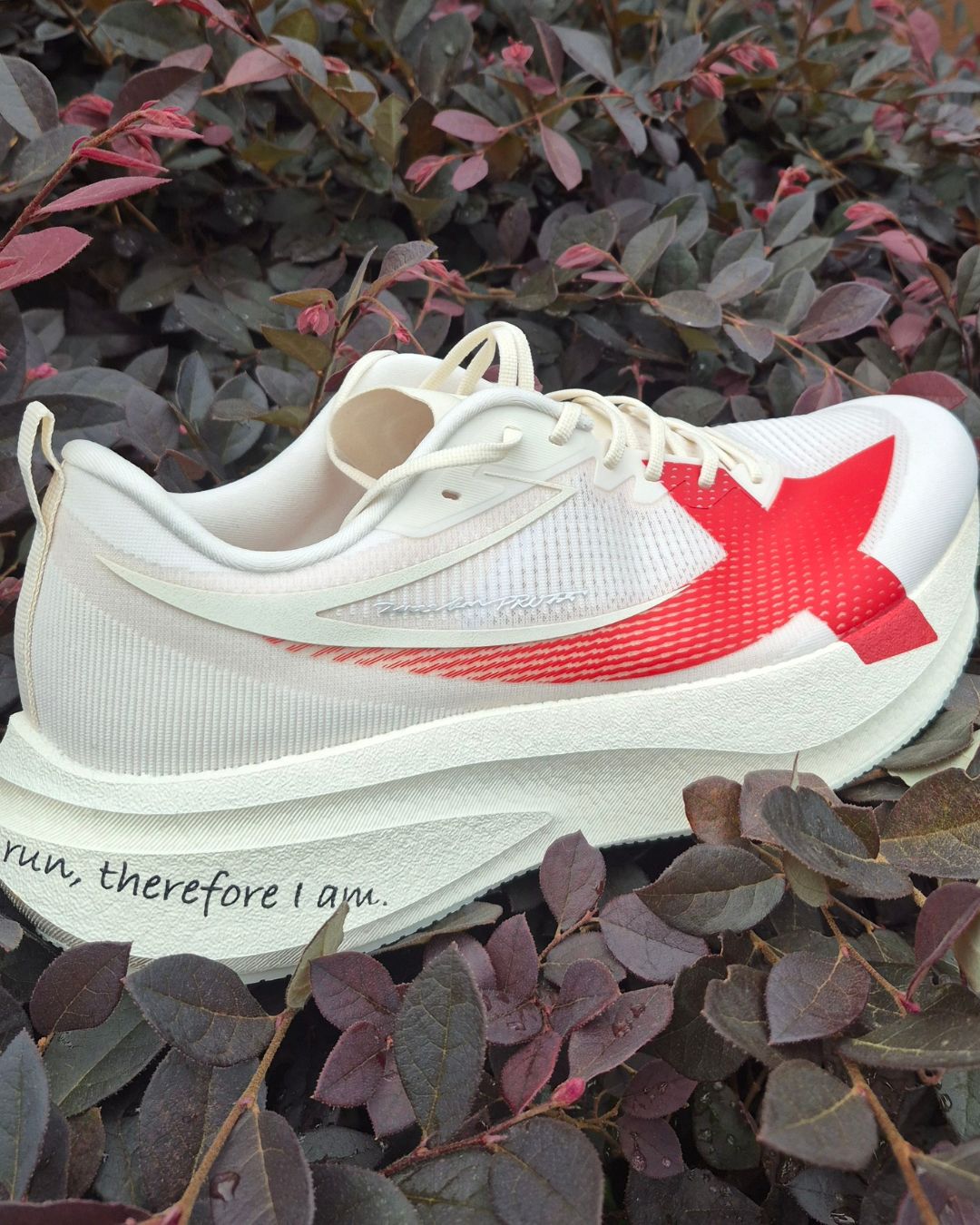
So, to answer the question that started this whole series...Can brands like Anta, Li-Ning, Qiaodan, and XTEP compete with their affordable performance shoes?
Yes, without a doubt.
After 621 total review miles across 12 shoes, I came away impressed by the ride quality, materials, outsole durability, and overall performance value in this group. Not every shoe was a home run for me, and not every shoe will fit every runner, but several of these models delivered the kind of performance I would normally expect at a much higher price point.
The biggest thing I want to emphasize is that these shoes are not “cheap” in the way that word sometimes gets used. Many of them cost less than comparable Western-market shoes, but the better word is value. In several cases, the foams, outsoles, and overall build quality felt like they belonged in shoes with much higher price tags.
That said, the shoes themselves may be ahead of the buying experience. If these brands want to keep gaining traction with U.S. runners, they will need to make a few things easier:
But if you are patient, willing to watch prices, and comfortable doing a little research before buying, there are some excellent affordable performance running shoes in this category. Some are daily trainers. Some are plated workout shoes. Some are max-stack long-run cruisers. Some are just plain fun.
And honestly, that is what I hope this series helps show. More options are good for runners. Better value is good for runners. And if more brands competing in the space eventually puts pressure on the overall running shoe market, even better.
Because at the end of the day, I still love Western brands too. I just want more good shoes, more fun shoes, and more options at prices that feel a little easier to justify for the activity I love to do...which is run.
Related: 4 Carbon-Plated Running Shoes Under $200, Save Big: 6 Best Running Shoes on a Budget
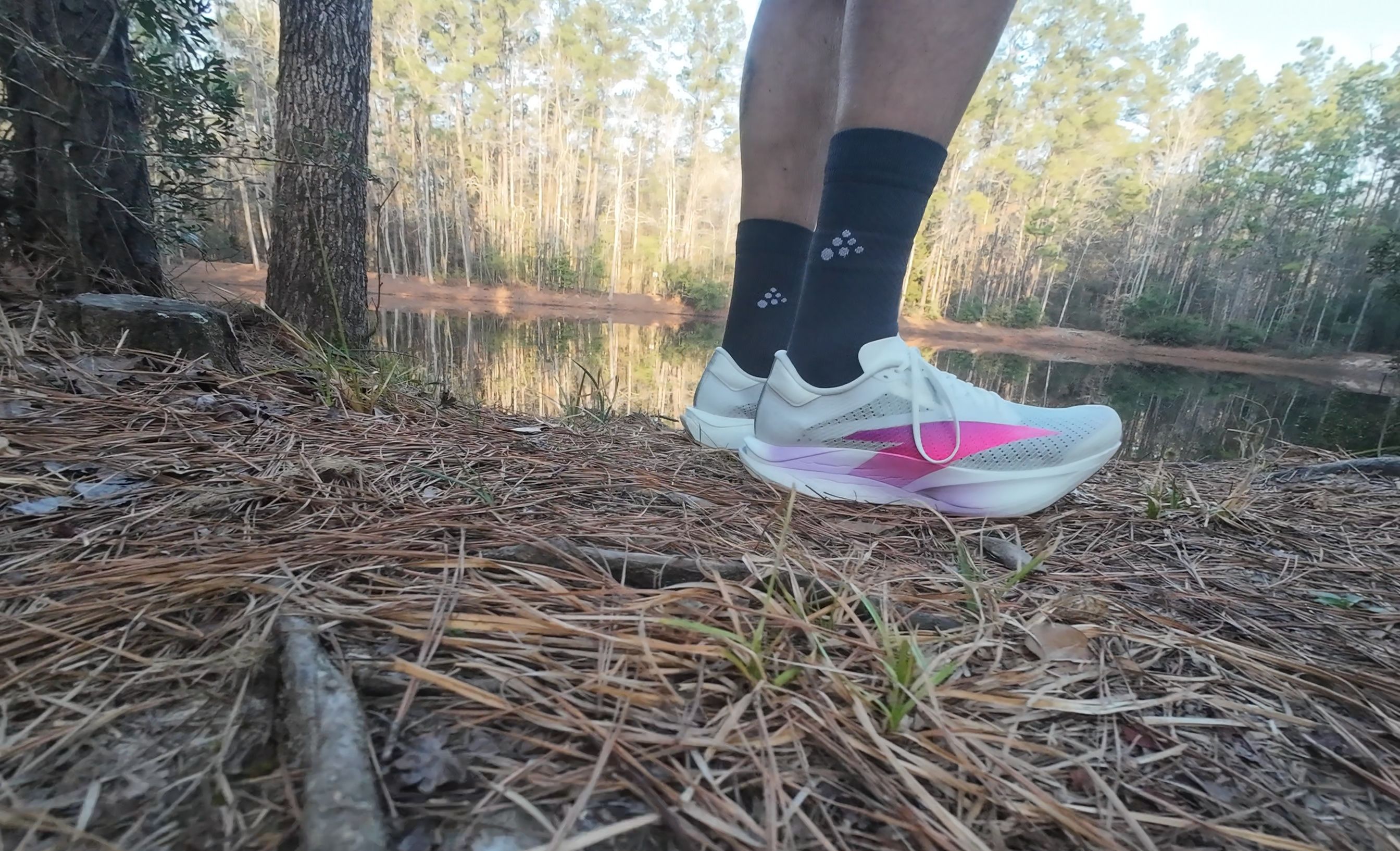
Are Chinese running shoes good? Based on Scott’s 621-mile test, several models from Li-Ning, Anta, XTEP, and Qiaodan delivered strong ride quality, outsole durability, and performance value, though sizing, specs, and availability can be trickier than with familiar U.S. brands.
What is the best affordable performance running shoe Scott tested? Scott’s best cost-to-performance pick was the XTEP 2000KM 5 Pro.
What is the best affordable carbon-plated running shoe in this test? Scott tied the Li-Ning Feidian 6 Challenger and Anta C202 7 as the best plated trainer/race-day options.
Are AliExpress running shoes worth buying? Scott found AliExpress surprisingly useful, with average delivery around 12 days, but recommends following official stores, checking size charts, watching price swings, and being patient.
I also want to give credit to the reviewers who helped me learn more about this running shoe category while I was working through the project. I only dipped my toes into the world of Chinese running shoes, and several YouTube reviewers have been covering these brands and models in much more depth.
If you want to keep learning about running shoes from Li-Ning, Anta, XTEP, Qiaodan, and other brands entering the conversation, these channels are worth checking out:
And if you want more of my on-the-run thoughts, you can also check out my YouTube page at Quiet Loudness Running.
Every review helps another runner make a smarter choice, whether the shoe was a hidden gem, a total miss, or somewhere in between.

Login to your account to leave a comment.
Review gear you already use. Earn Star Points. Qualify to test free running shoes and gear.