Upload / Capture
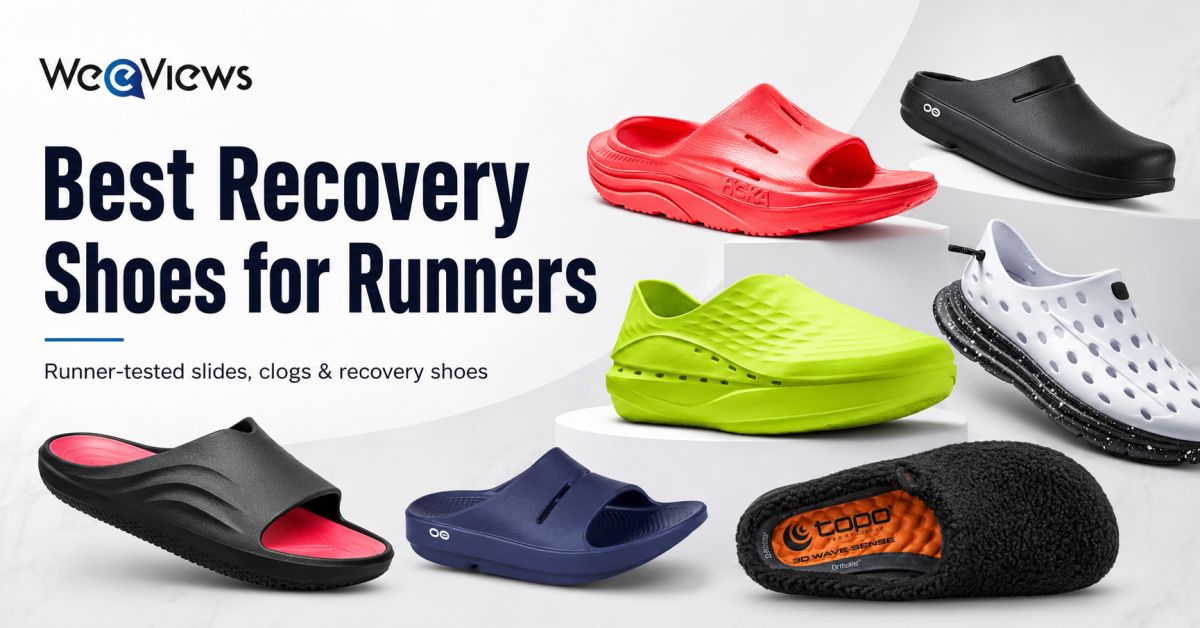
Looking for the best recovery shoes to slip into after a run?
After long miles, hard workouts, race days, gym sessions, or simply too many hours on your feet, your regular shoes might not be what your tired feet want next. Recovery shoes can give runners a softer, more supportive place to land when the workout is over.
For this updated guide, we pulled from real WeeViews runner reviews to compare recovery slides, sandals, clogs, and slip-ons that actually get worn after training. Some are soft and squishy. Some are firmer and more supportive. Some are made for lounging, while others are better for errands, hard floors, travel, or post-race dinners.
Ready to take a load off and put your feet up?
Check out these runner-tested recovery shoes from the WeeViews community.
Editor’s note: This guide originally published by Evan in 2025 was updated for 2026 with new runner-tested recovery shoes, refreshed product recommendations, current use-case notes, and additional picks from the WeeViews community.
Quick answer: The best recovery shoe for most runners depends on how you plan to use it. For easy post-run comfort, a recovery slide like the HOKA Ora or Stand+ AG3 makes sense. For more support on hard floors or errands, a closed-toe option like the Kane Revive or Stand+ AntiGrav1 may be a better fit. For cooler weather recovery, the Topo Athletic Revive Slip-on stands out, while runners who want a more polished sandal may prefer the Aerothotic Raido.
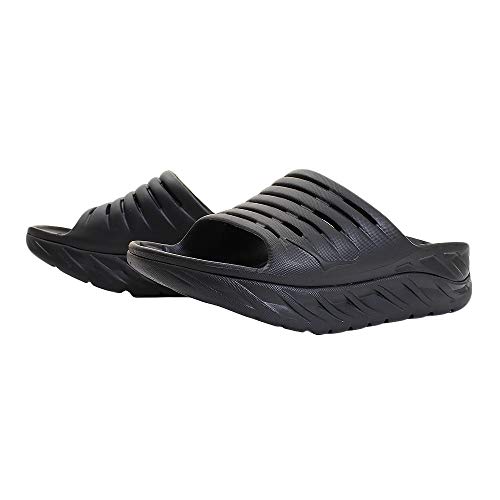
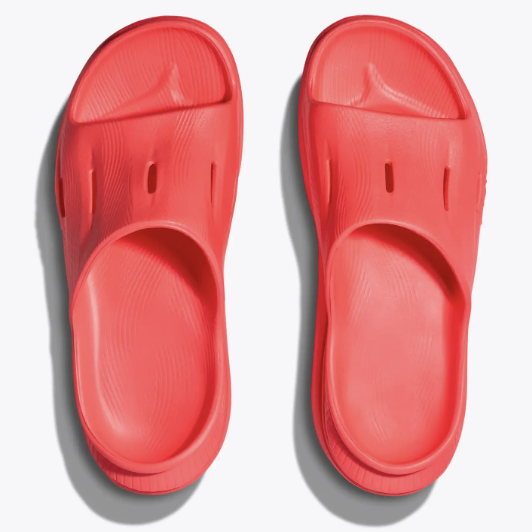
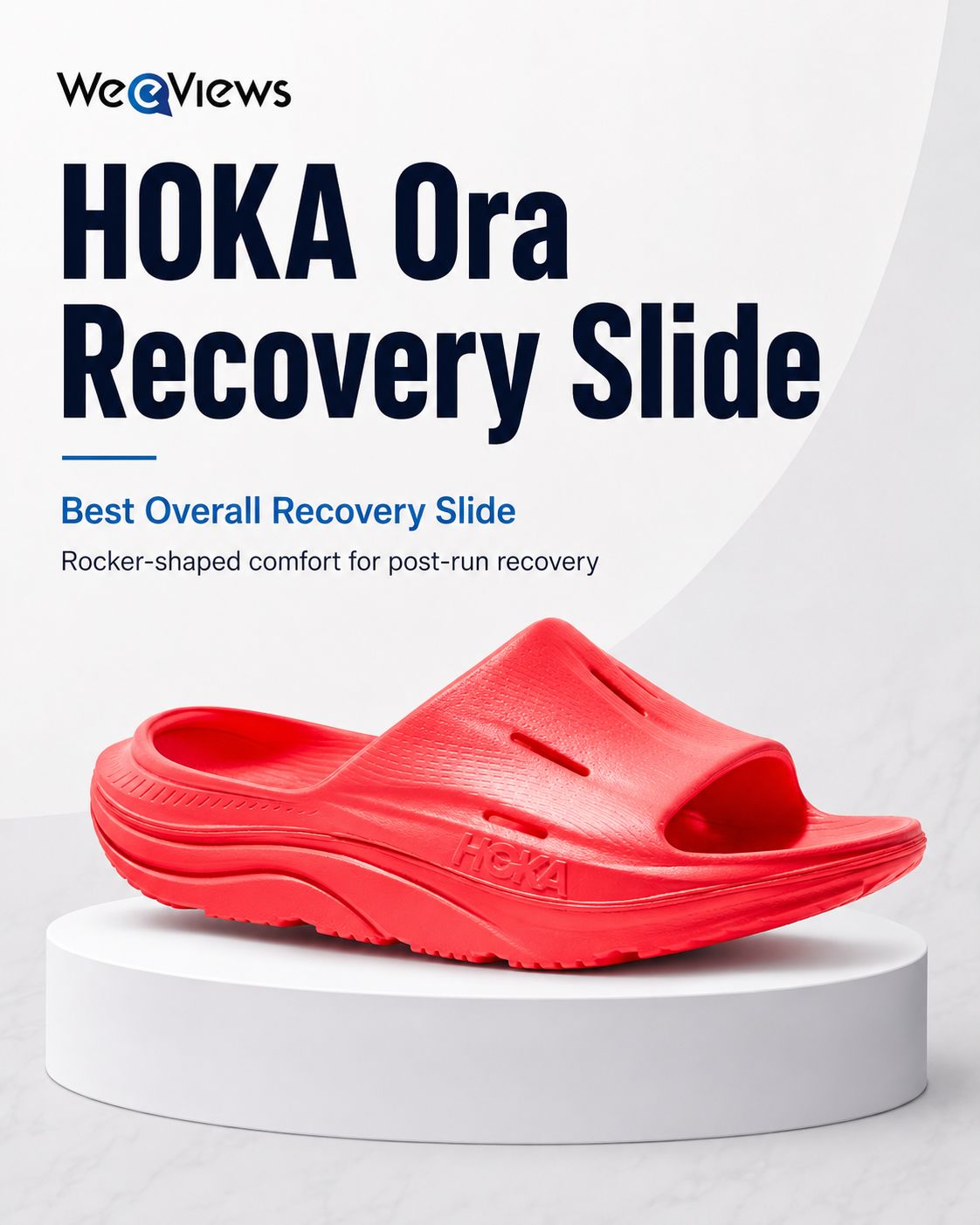
The HOKA Ora Recovery Slide is a cushioned post-run slide with a rocker-shaped sole that helps tired runners move comfortably after workouts, races, and long days on their feet.
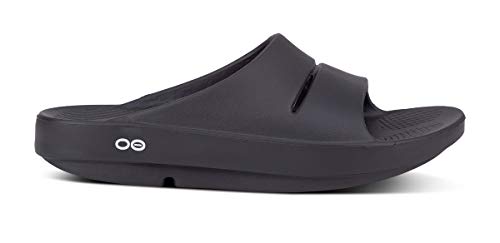
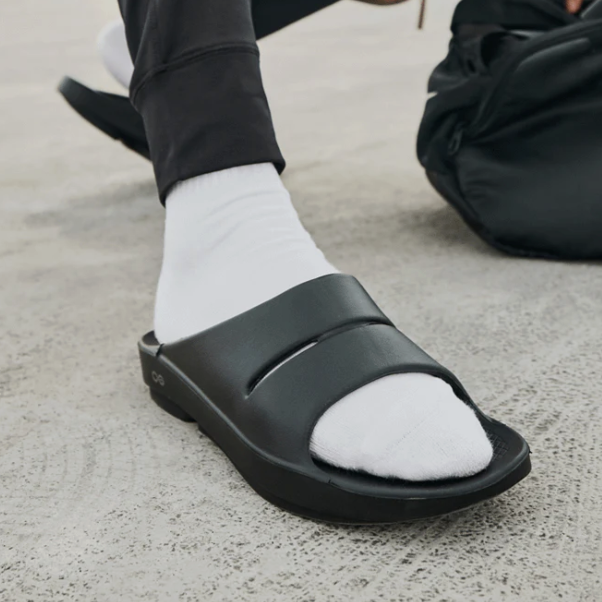
The OOFOS OOahh Slide is a max-cushion recovery slide built around soft OOfoam comfort for runners who want plush impact absorption after hard training.
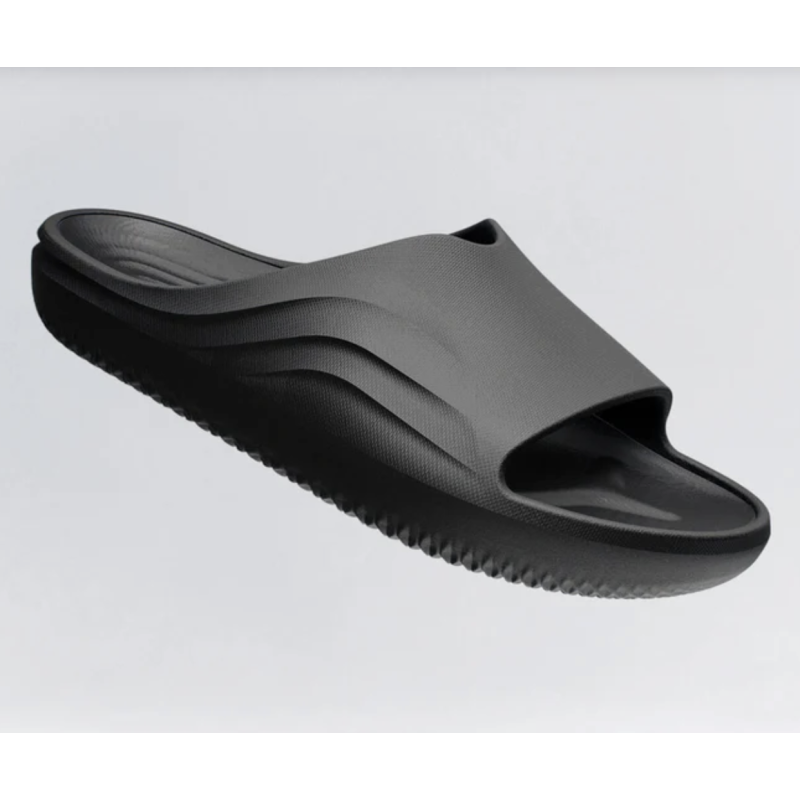
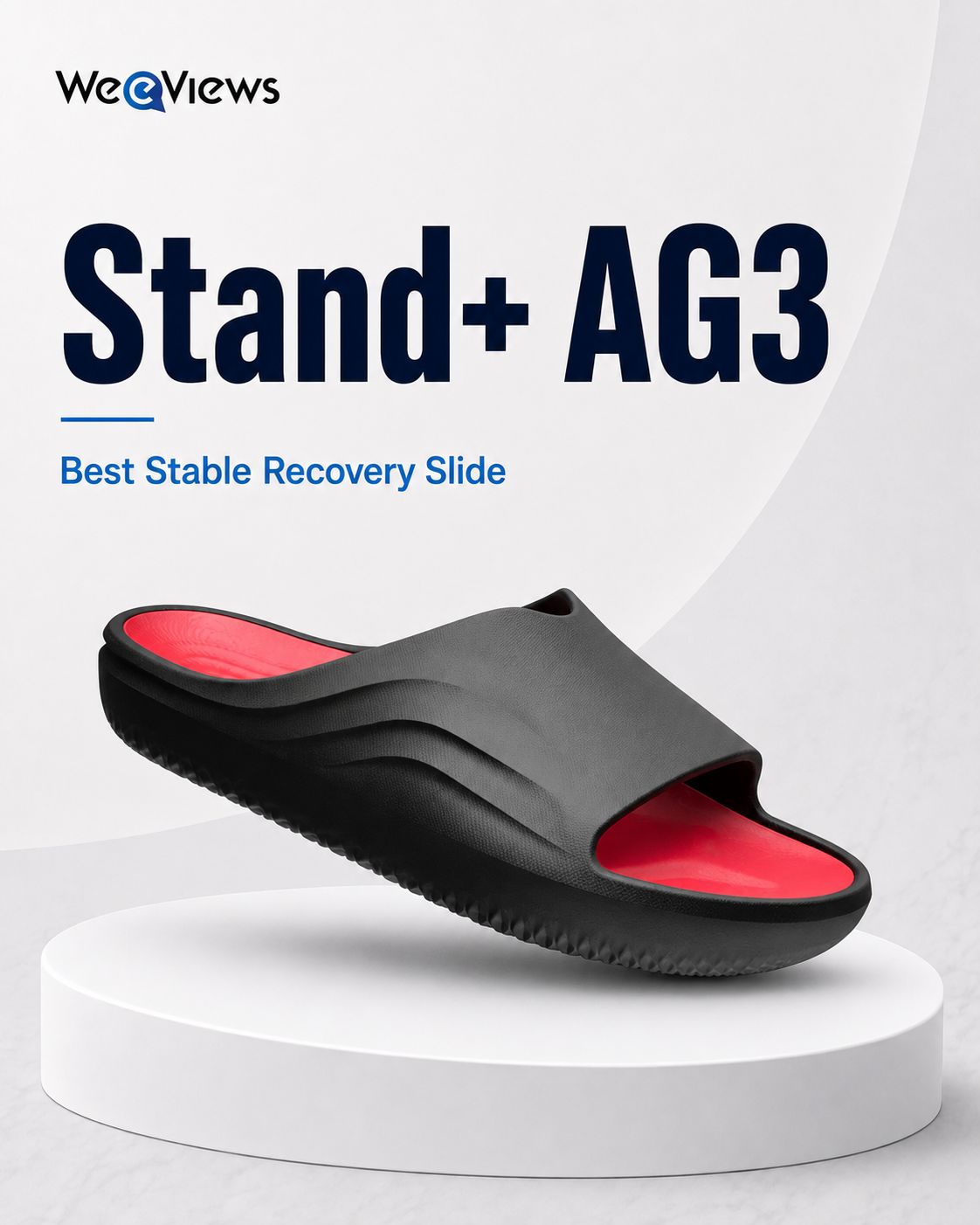
The Stand+ AG3 is a stable waterproof recovery slide with soft dual-density cushioning, easy hands-free wear, and enough structure for runners who want comfort without an overly squishy feel.
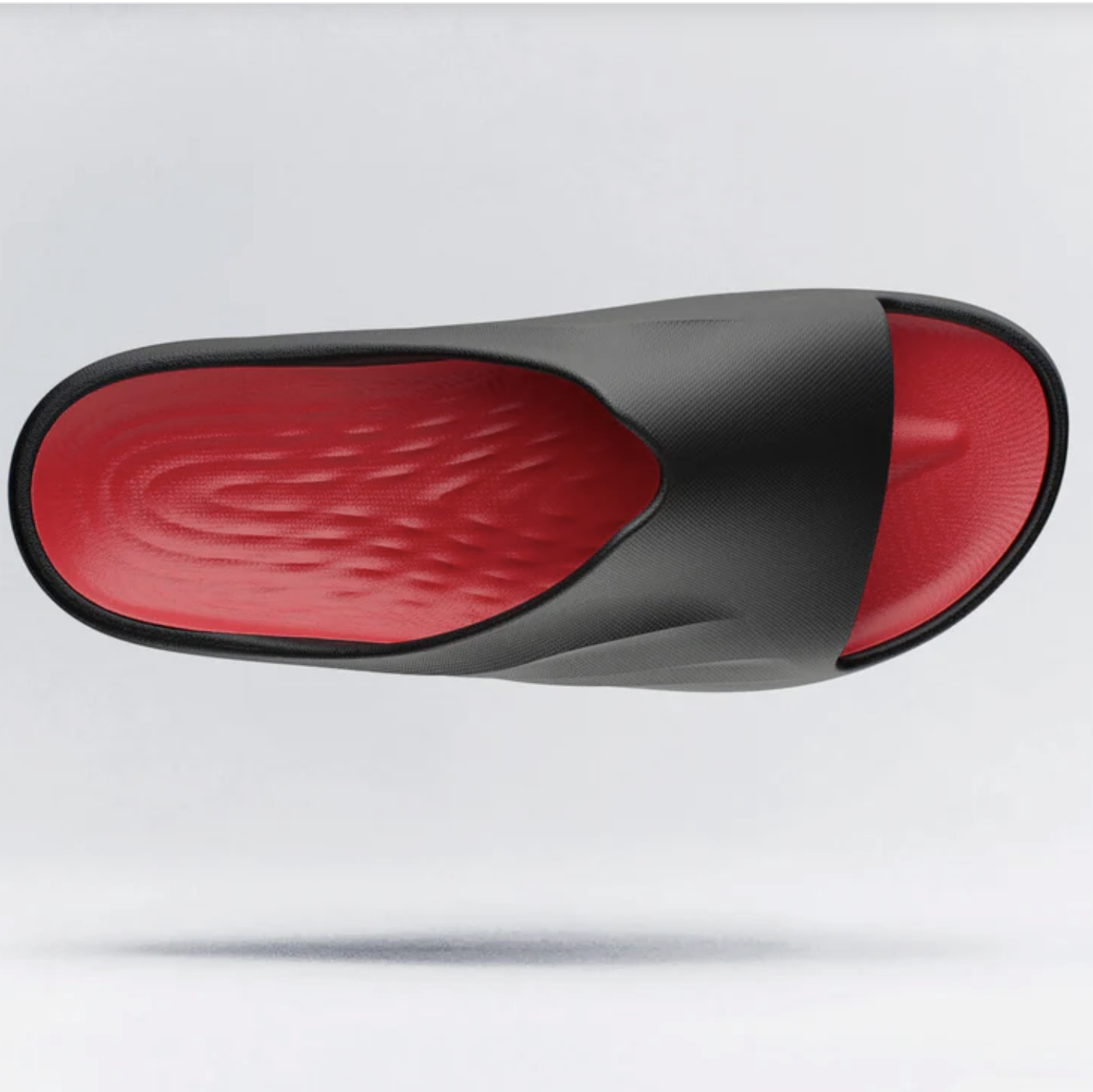
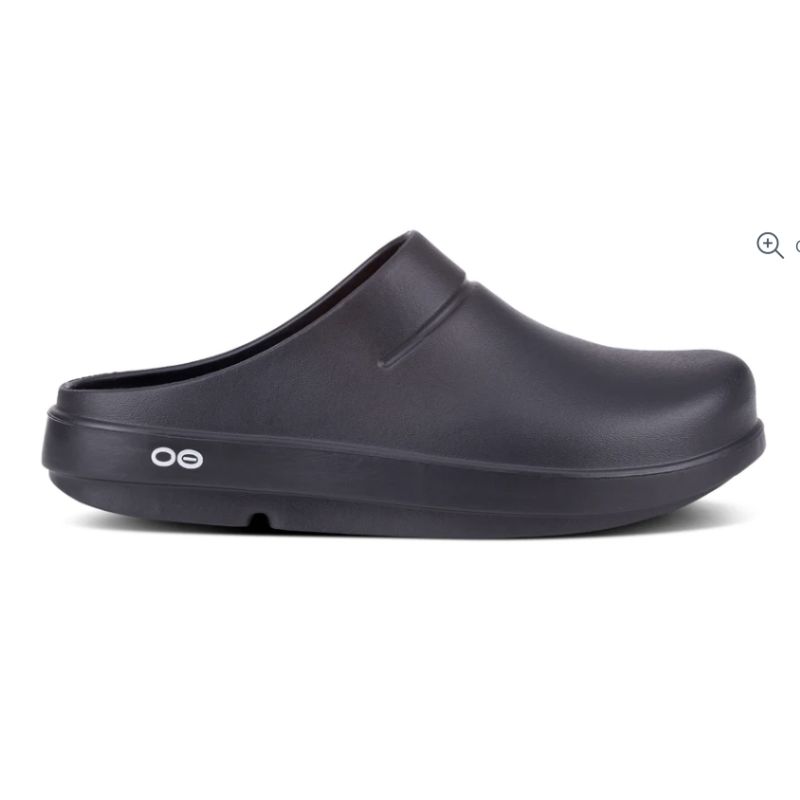
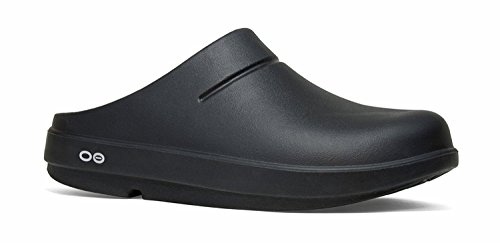
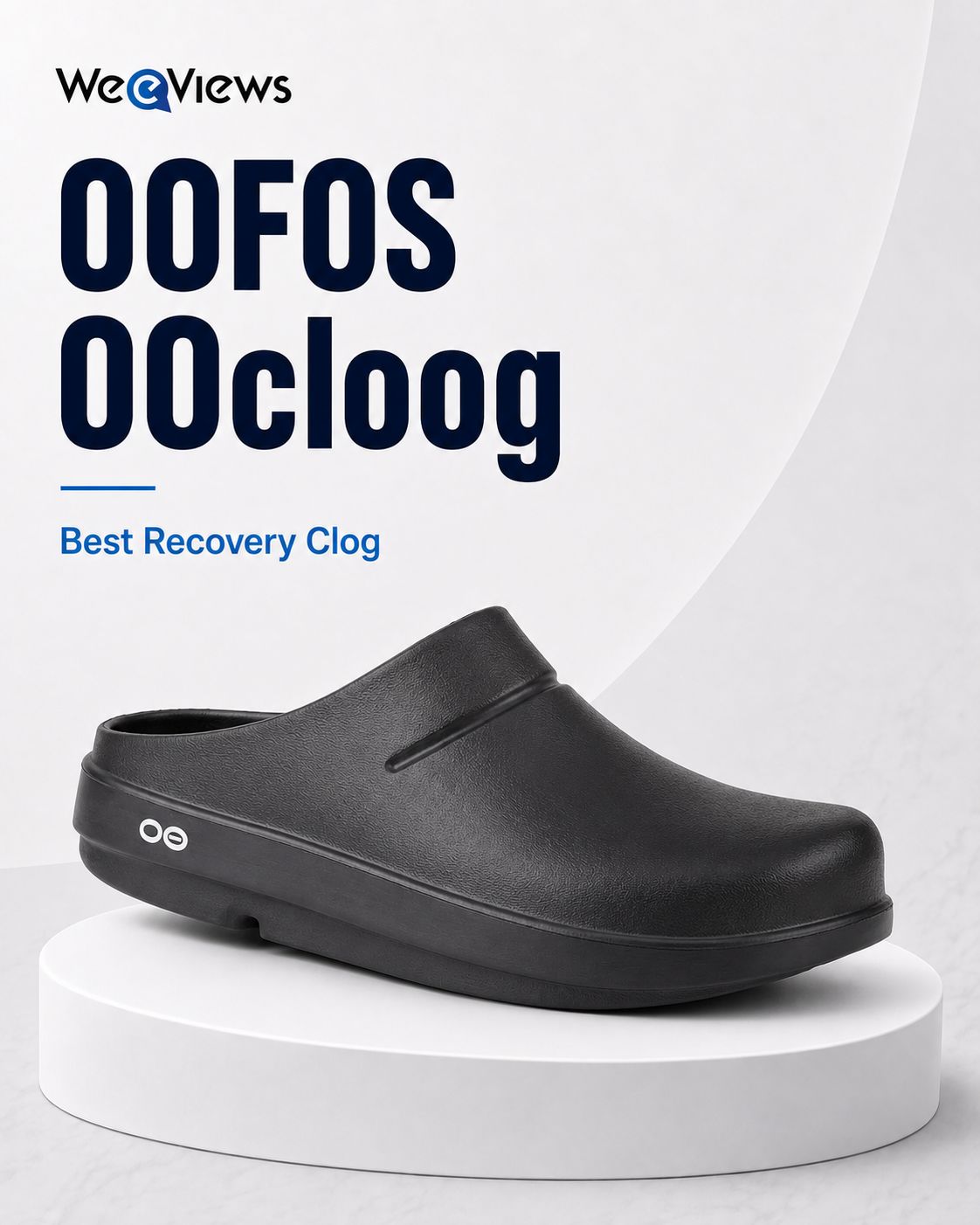
The OOFOS OOcloog is a cushioned recovery clog that gives runners an enclosed alternative to slides while still delivering the soft OOfoam feel OOFOS is known for.
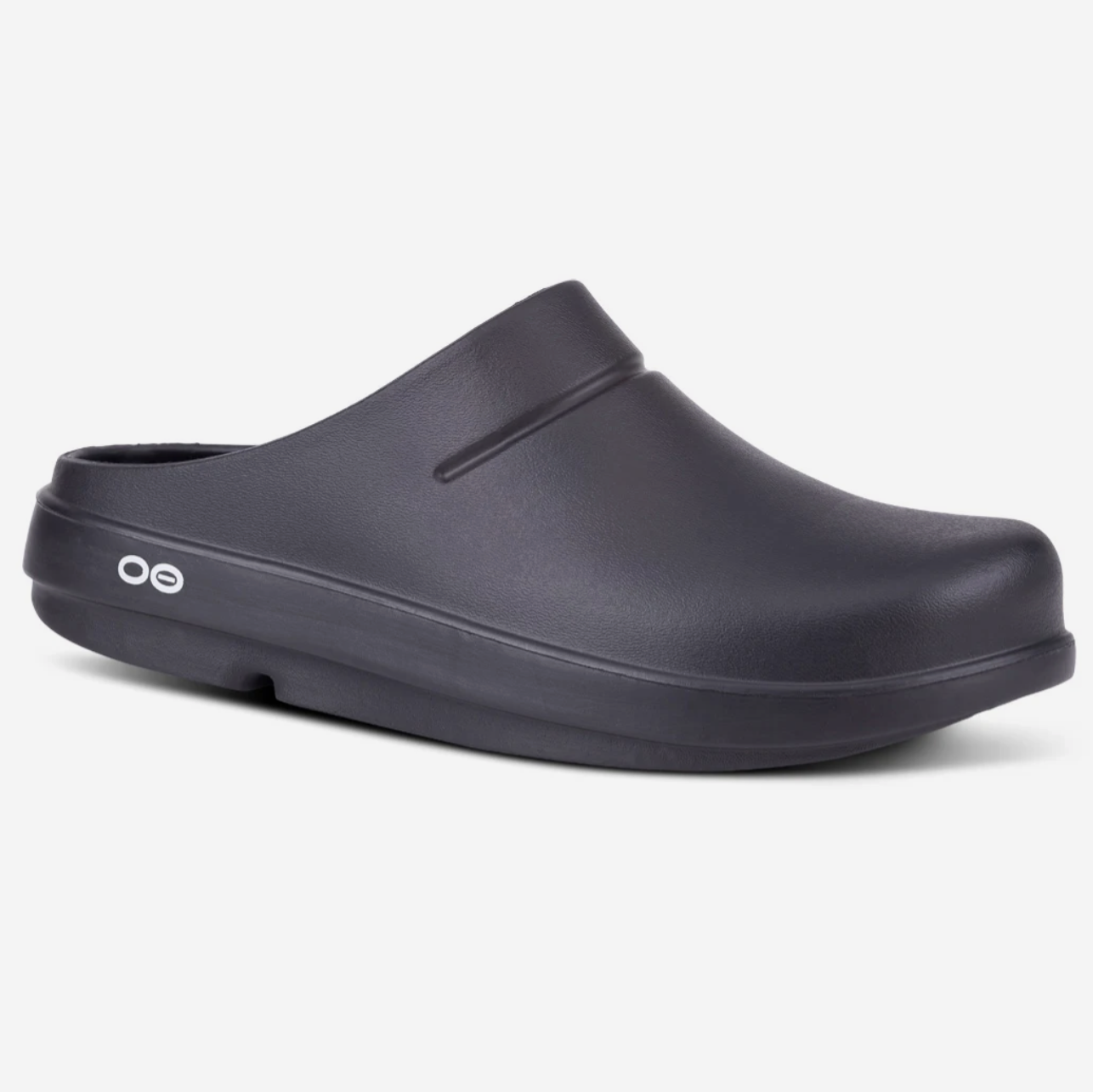
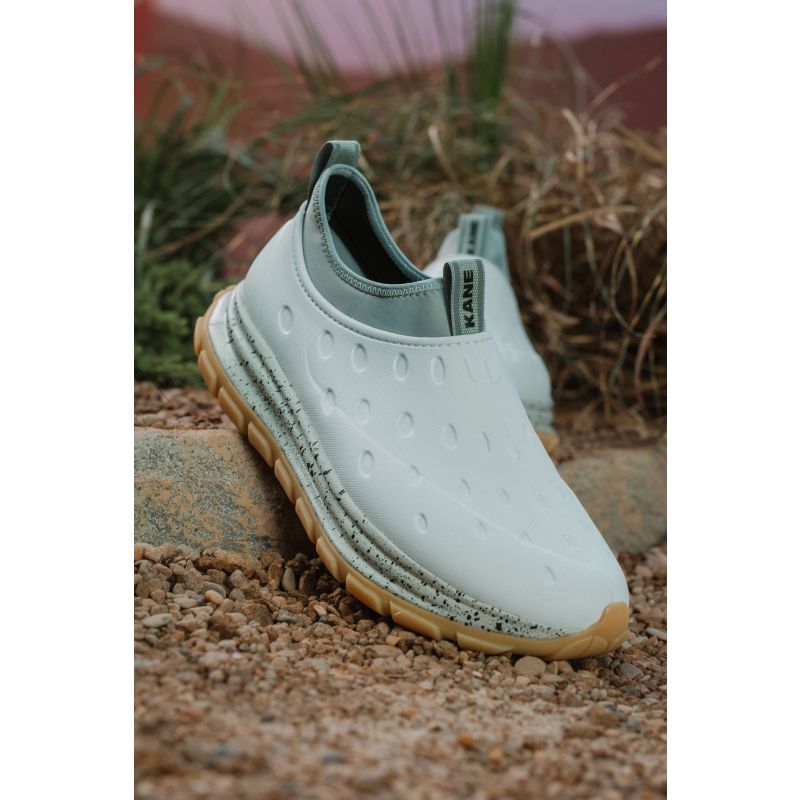
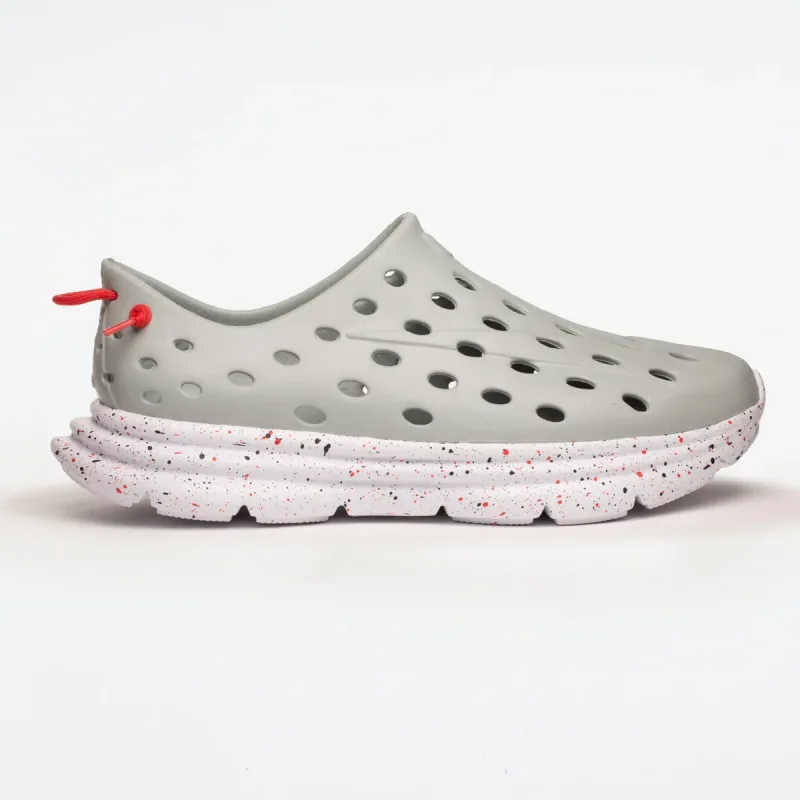
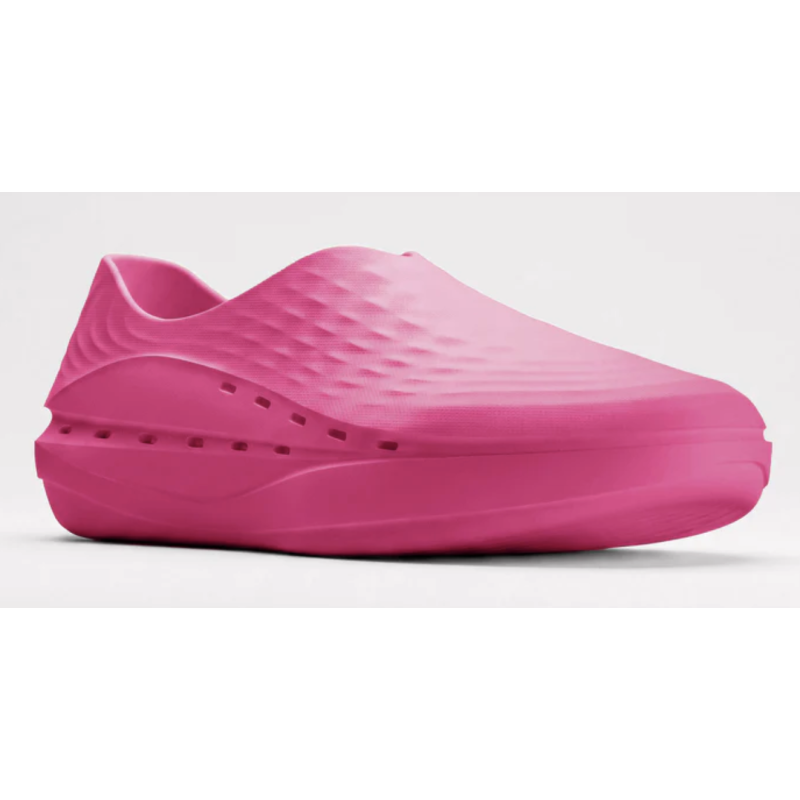
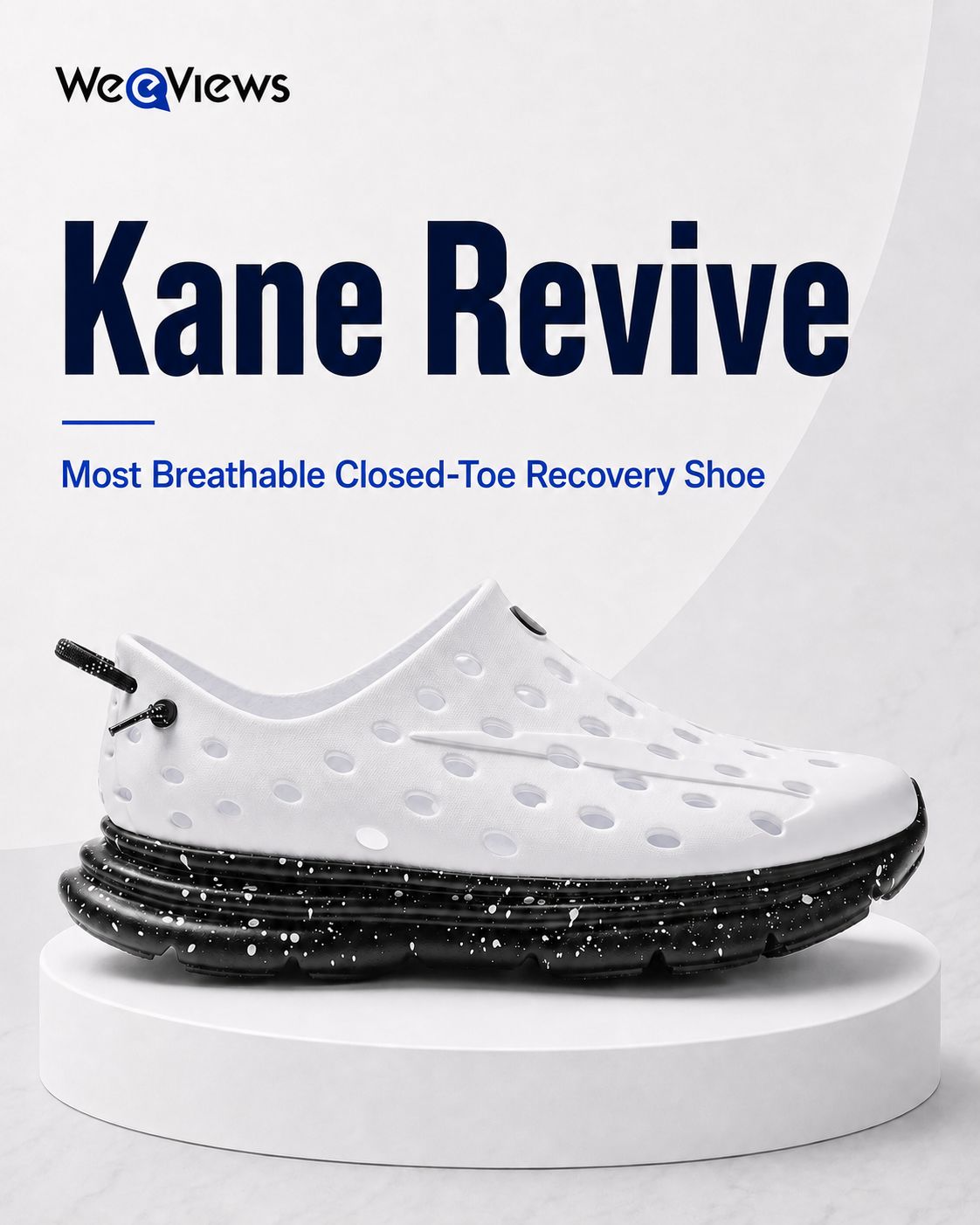
The Kane Revive is a value-focused closed-toe recovery shoe with breathable construction, supportive cushioning, and an active recovery feel for runners who want more coverage than a slide.
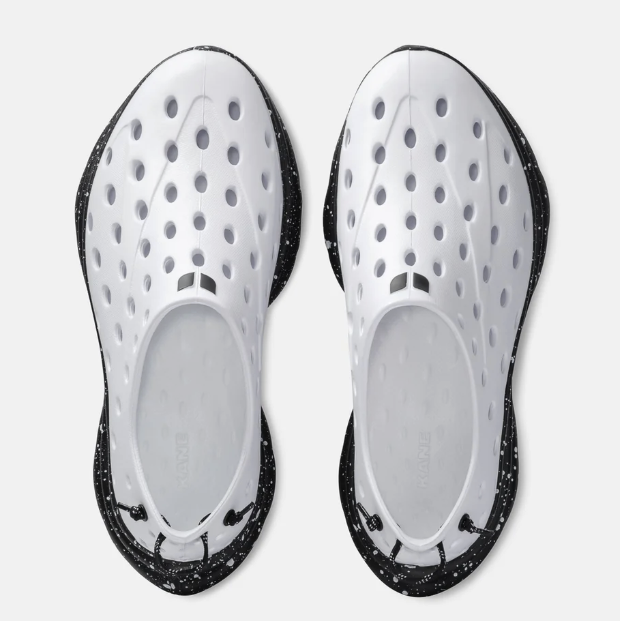
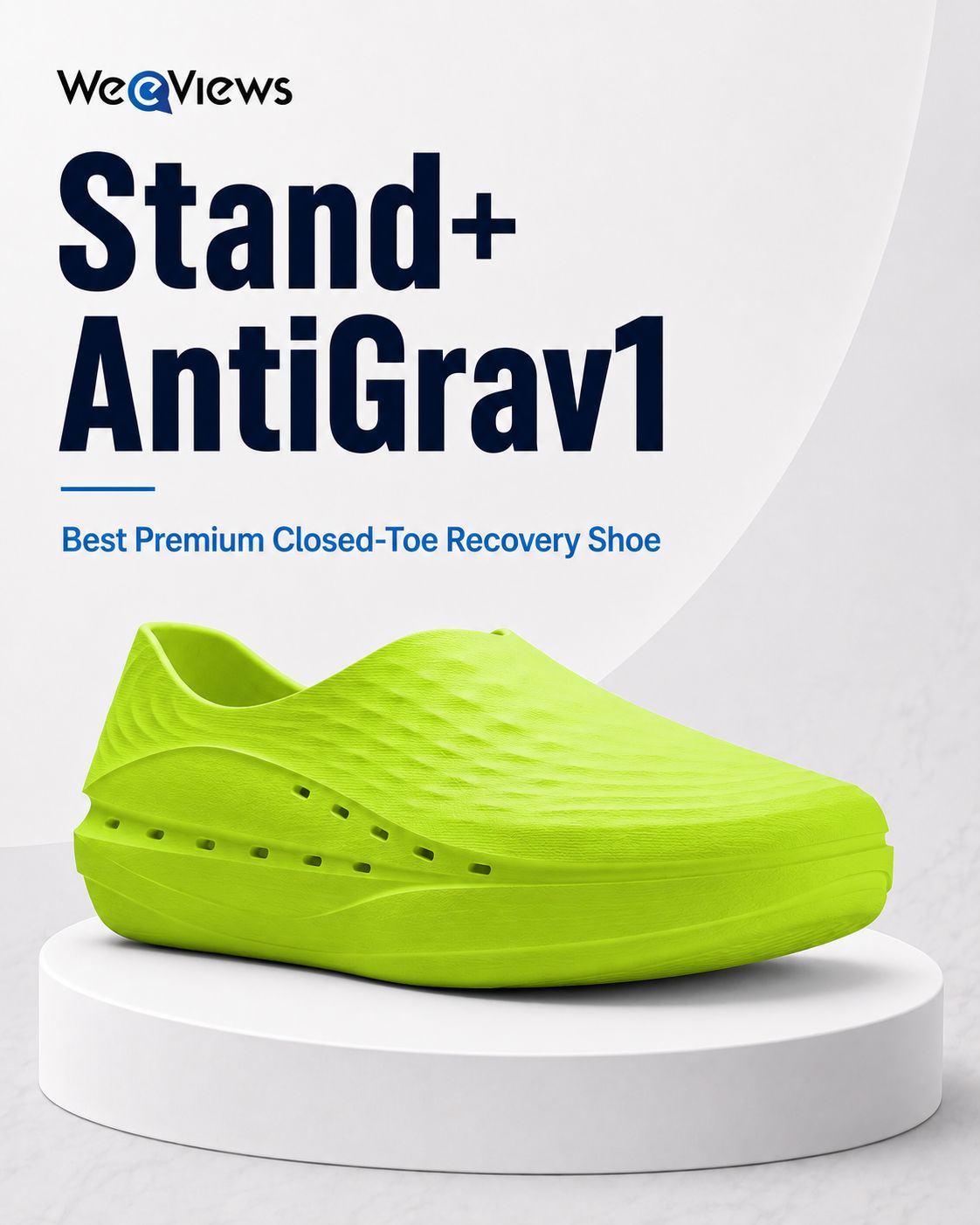
The Stand+ AntiGrav1 is a premium closed-toe recovery shoe with a removable insole, heat-moldable fit, and firm support for runners who need comfort on hard floors after training.
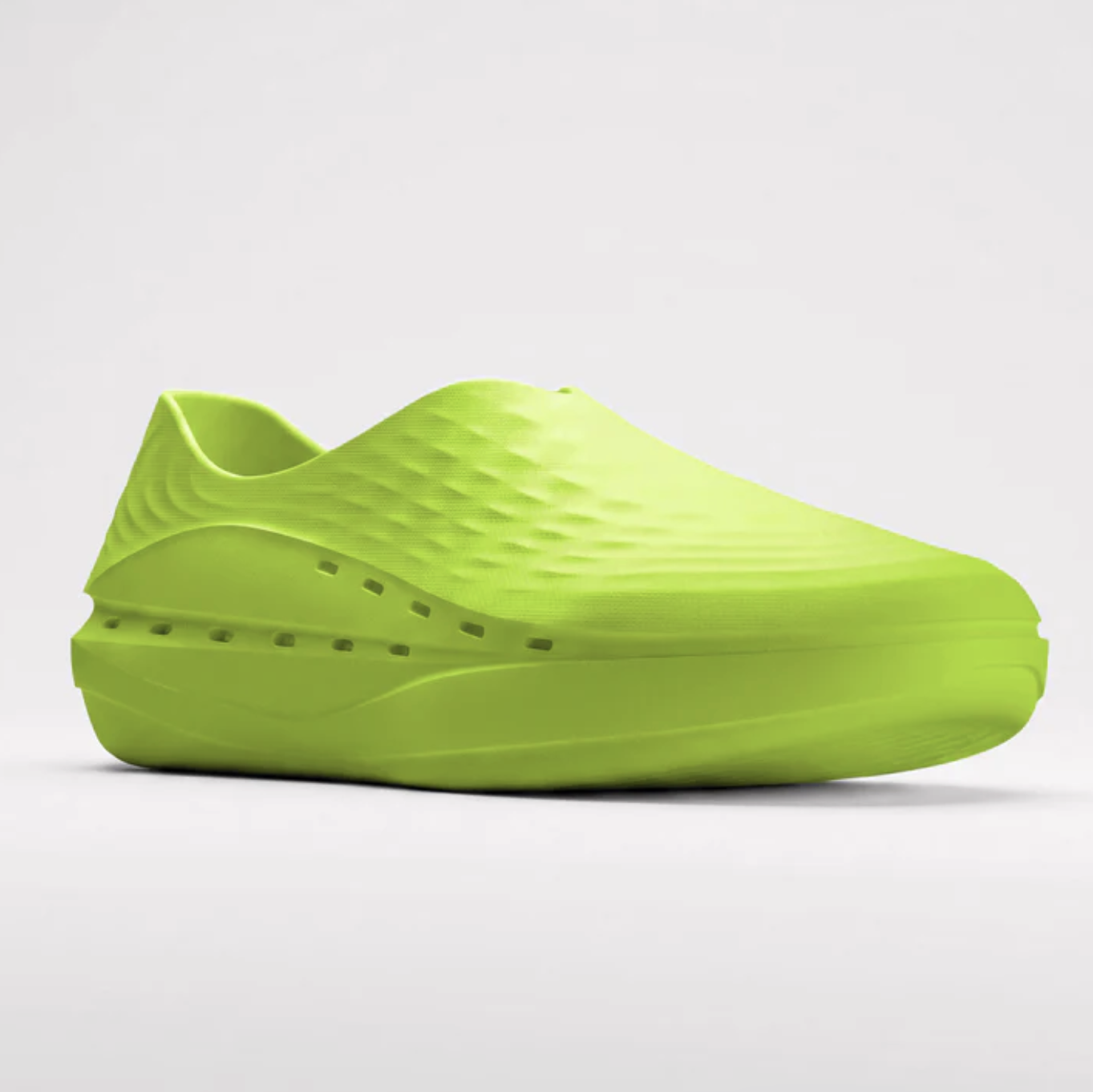
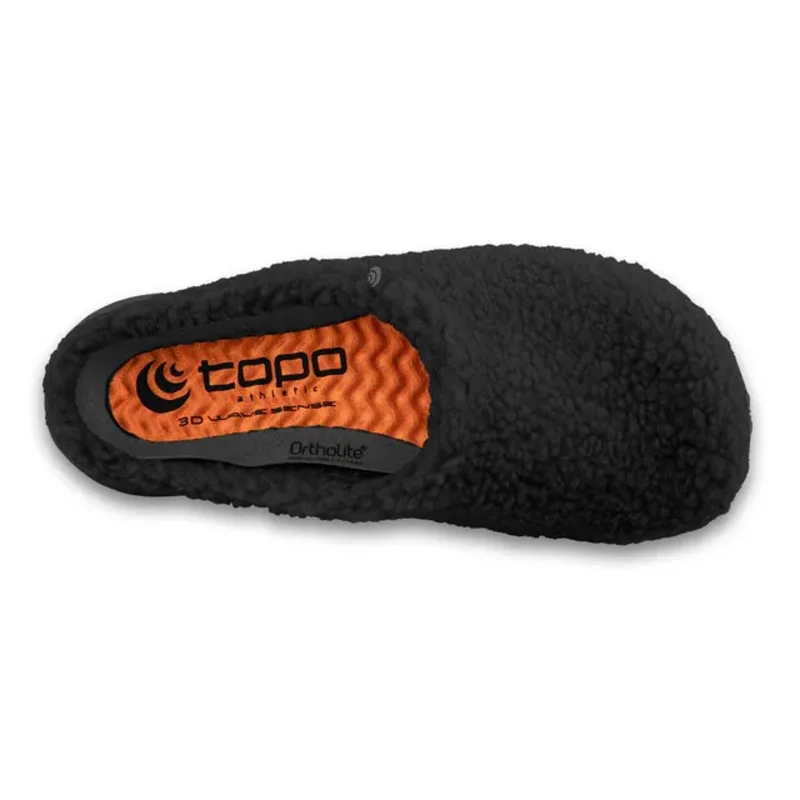
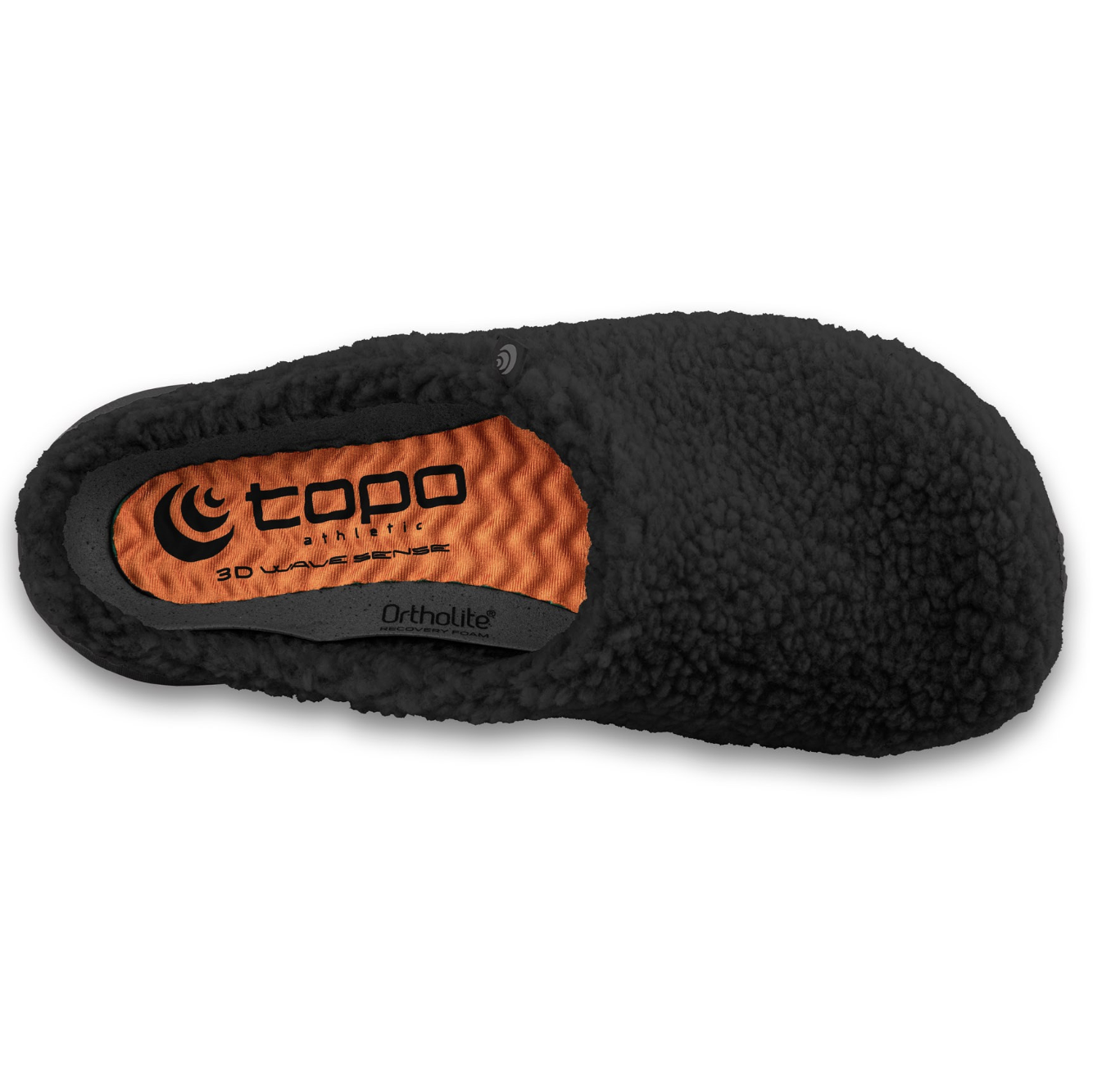
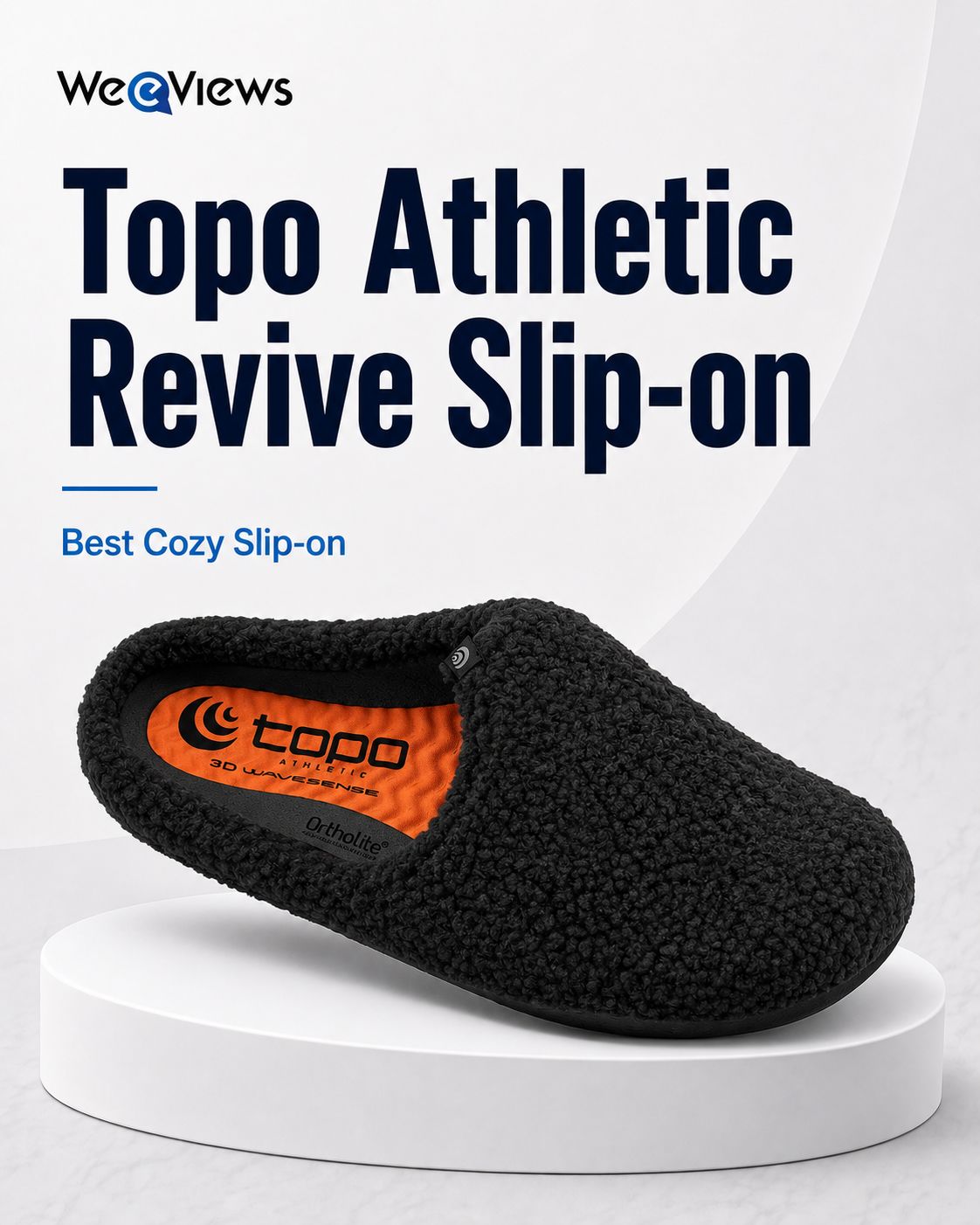
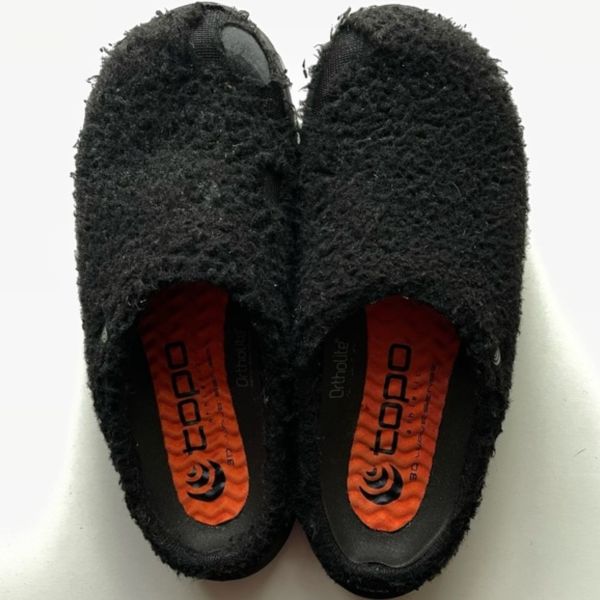
The Topo Athletic Revive Slip-on is a cozy recovery slip-on with a fleece upper, roomy forefoot, grippy outsole, and massaging insole for runners who want slipper comfort with errand-ready traction.
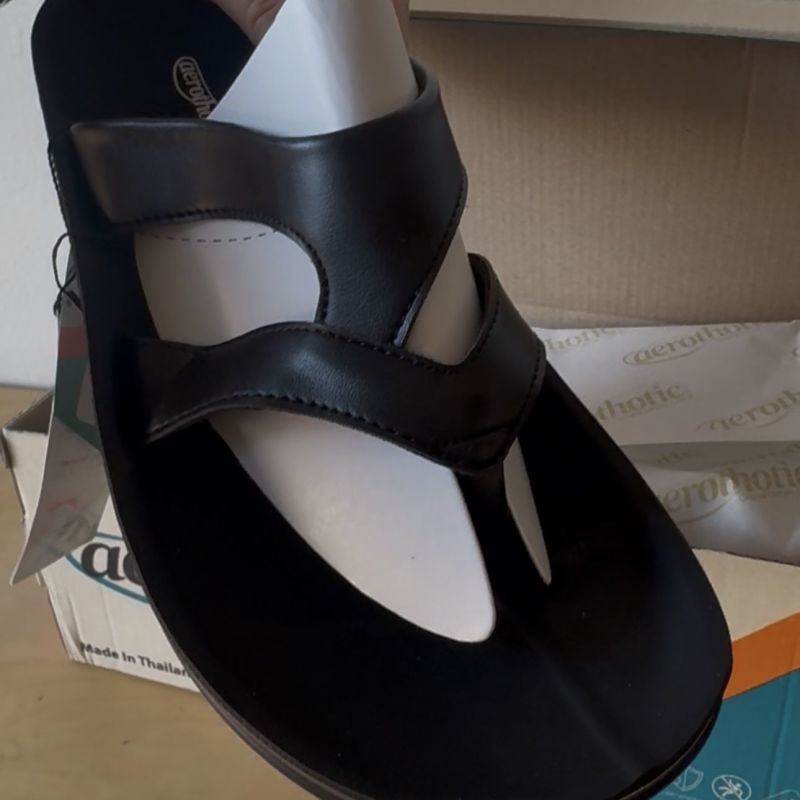
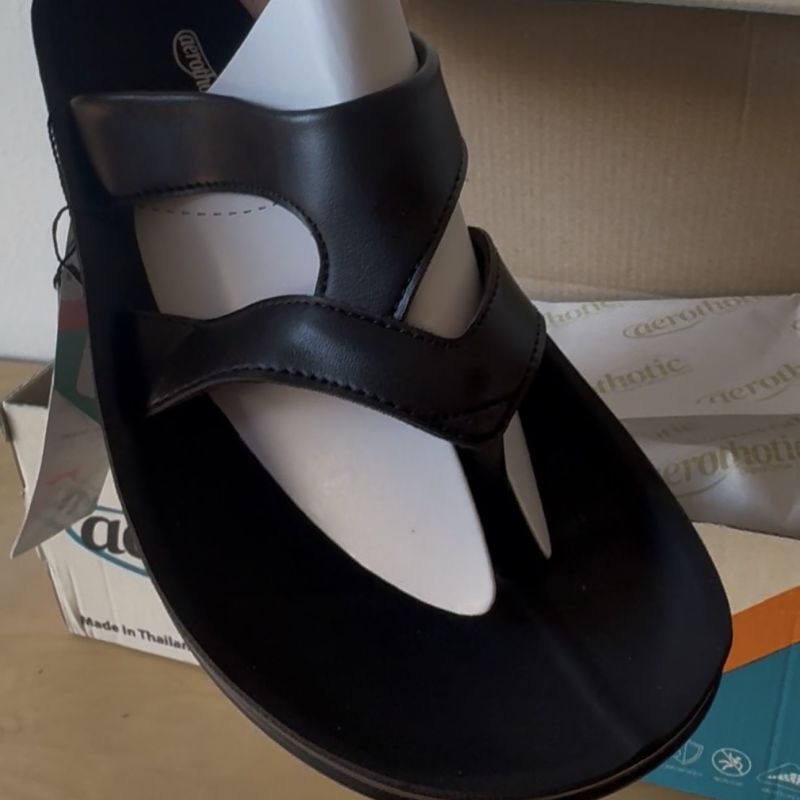
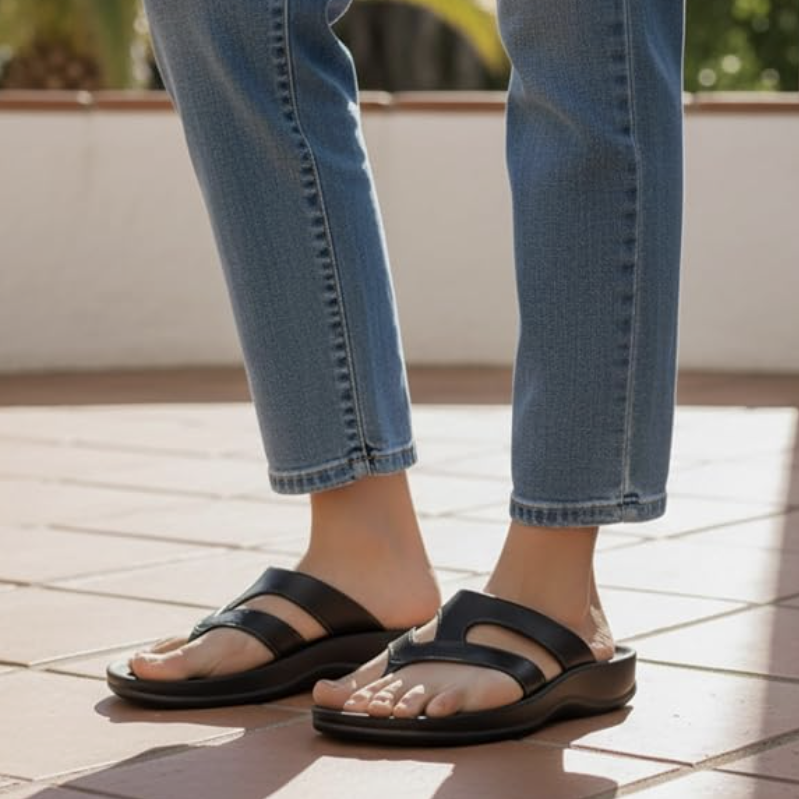
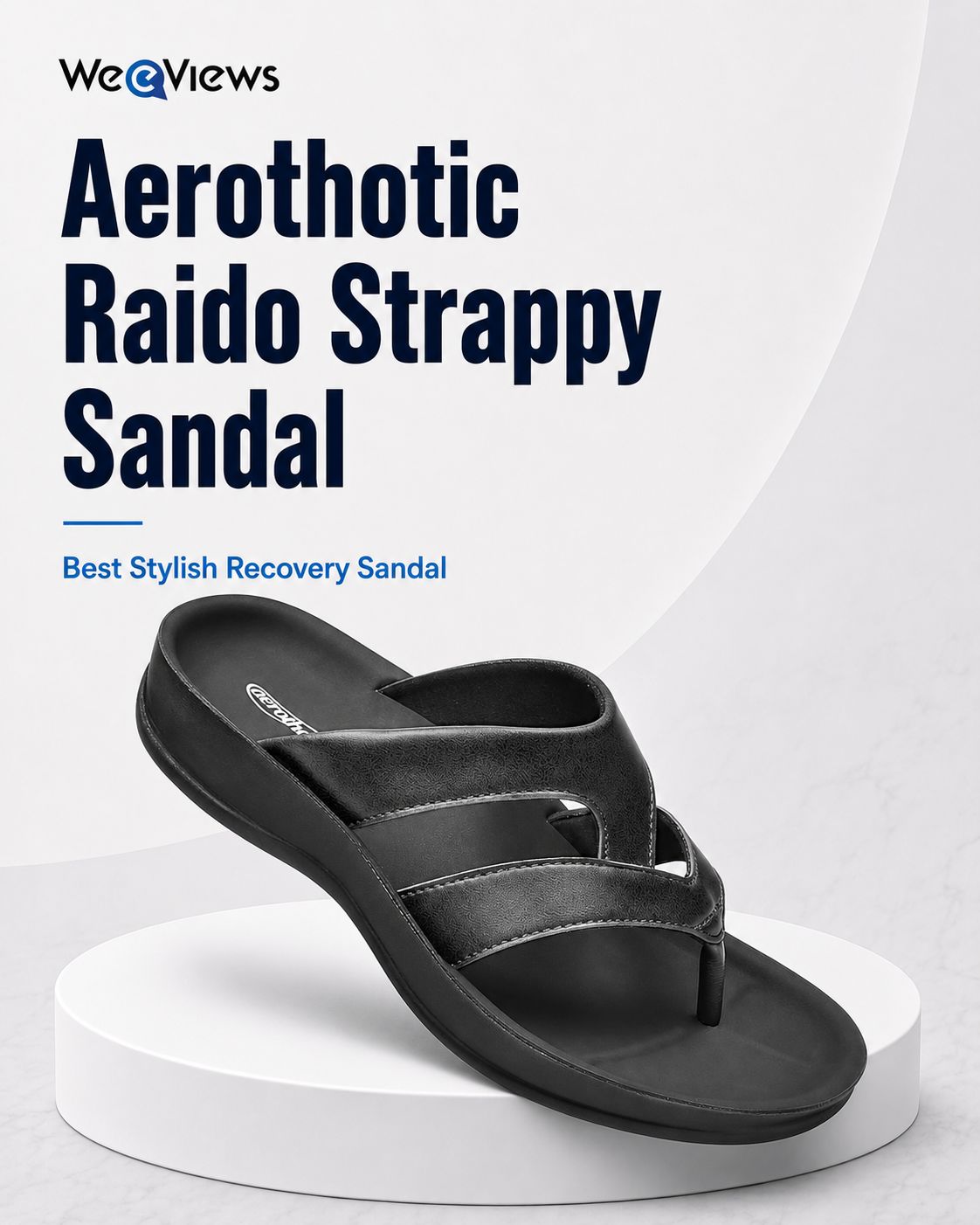
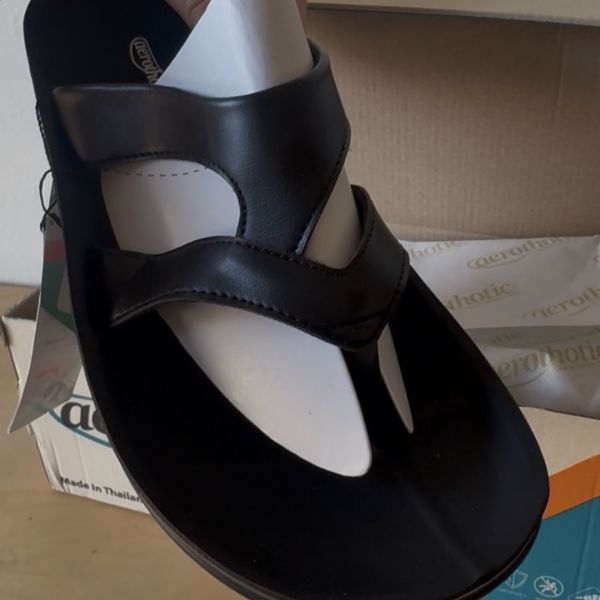
The Aerothotic Raido Strappy Sandal is a budget-friendly recovery sandal with arch support, a polished look, and enough comfort for runners who want one pair for recovery and casual wear.
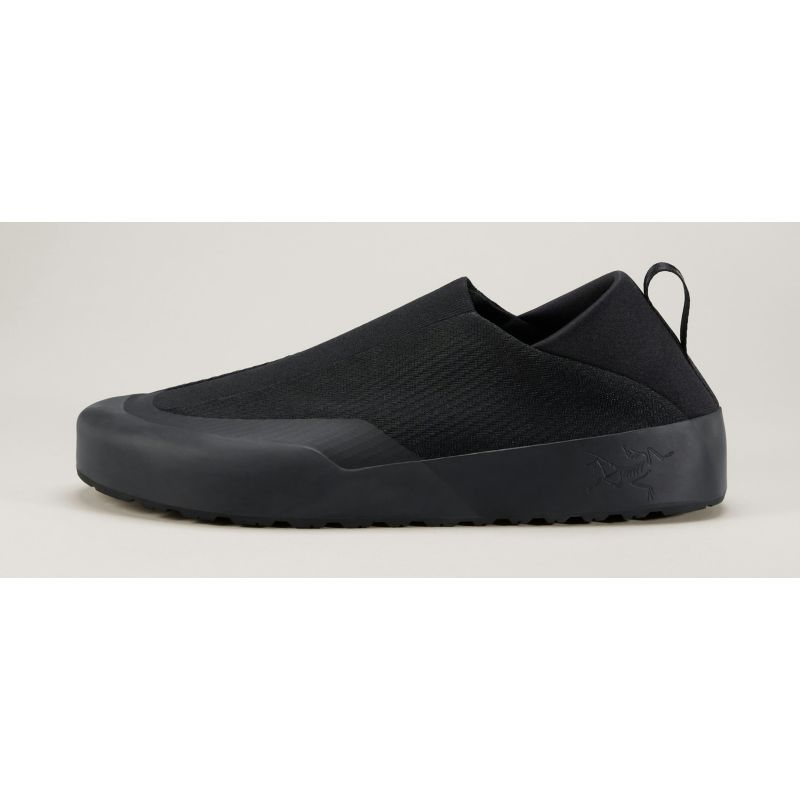
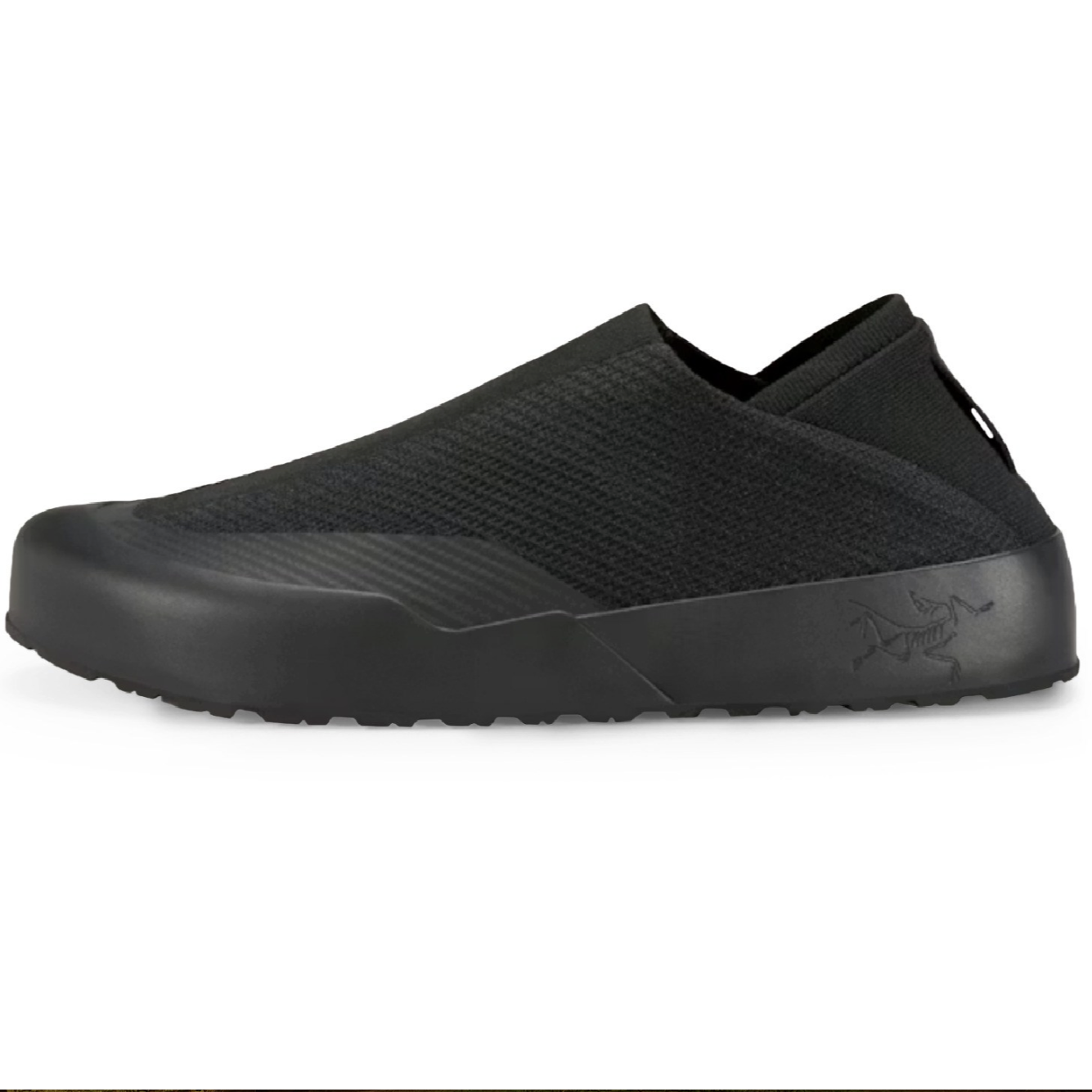
The Arc’teryx Kragg Shoe is a camp-to-recovery crossover shoe with a plush midsole, grippy outsole, protective toe, and collapsible heel for runners who want one shoe for recovery, travel, and trailhead life.
To build this guide, we looked at recovery shoes, slides, clogs, sandals, and slip-ons reviewed by real runners in the WeeViews community. Instead of choosing shoes based on brand hype alone, we focused on how each pair actually performed after runs, workouts, races, long days on tired feet, and everyday recovery use.
We considered comfort, cushioning, support, fit, durability, breathability, ease of use, price, and the specific situation where each shoe made the most sense. Some runners want soft, squishy post-run comfort. Others prefer firmer support, more structure, better traction, a closed-toe design, or a sandal that could work for travel and post-race meals.
That is why this list includes more than one type of recovery shoe. The best recovery slide for lounging after a long run may not be the best shoe for standing on hard floors, walking around a race venue, packing for a destination race, or keeping your feet warm in winter.
Price: $60
Reviewed by: Hannah Hartzell and Hollie SickBest for: Runners who want a durable, rocker-shaped recovery slide for everyday post-run wear.
When your feet are cooked after a run, sometimes the best recovery shoe is the one you can slide into without thinking.
That’s where the HOKA Ora Recovery Slide stands out.
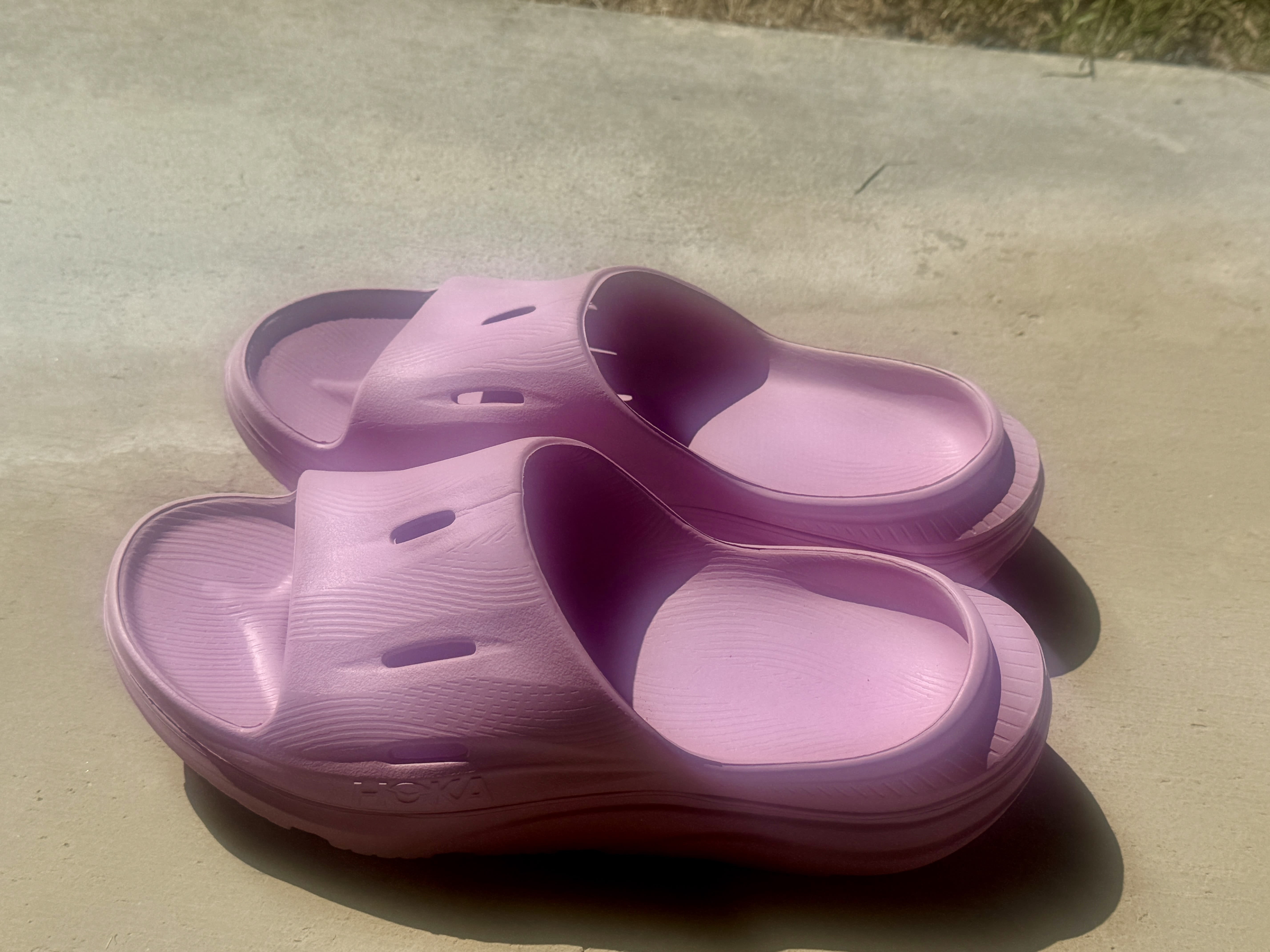
It’s cushioned, supportive, easy to wear, and built with the familiar HOKA rocker shape that helps your foot roll forward as you walk. Compared to softer recovery slides, the Ora has a slightly firmer feel underfoot, which may be exactly why some runners find it more durable for daily wear.
Trail runner, Hannah Hartzell originally went looking for a recovery slide after weeks of walking around on hardwood floors without enough support. Between running miles, on-your-feet-all-day activities, and hard surfaces at home, her feet were ready for a break.
After testing the HOKA Ora Slides for months, Hannah found herself reaching for them constantly.
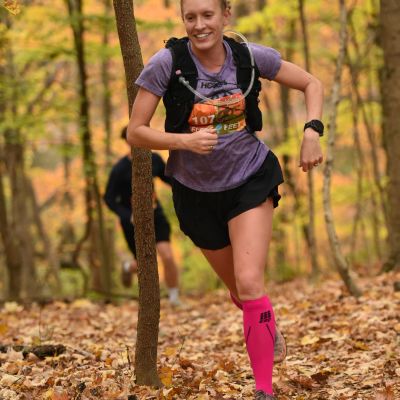
Read Hannah's full review here.
Hollie, a runner in the Mojave Desert who has worked in run specialty and fit more than 1,000 people for shoes, also found the Ora Slide 3 to be a reliable post-workout option. She liked the wide, accommodating fit for swollen or tired feet, the plush cushioning, and the durability compared to softer recovery slides.
Her biggest distinction between HOKA and OOFOS comes down to feel.
OOFOS slides are softer and squishier. HOKA slides are a touch firmer, more structured, and built with a rocker shape that helps guide your stride when you’re walking around after a long run.
Read Hollie's full review here.
That firmer feel may not be what every runner wants immediately after a race or hard workout. If your dream recovery slide feels like standing on a marshmallow, OOFOS may be more your speed. But if you want a recovery slide that feels cushioned without getting sloppy, holds up well over time, and works for everything from post-run lounging to errands, the HOKA Ora Recovery Slide is one of the safest picks in the lineup.
Related: Hoka vs. OOFOS Recovery Shoes
Pros
Cons
Bottom line: The HOKA Ora Recovery Slide is the best overall recovery slide for runners who want a durable, rocker-shaped, everyday option that feels supportive after runs without being overly soft or unstable.
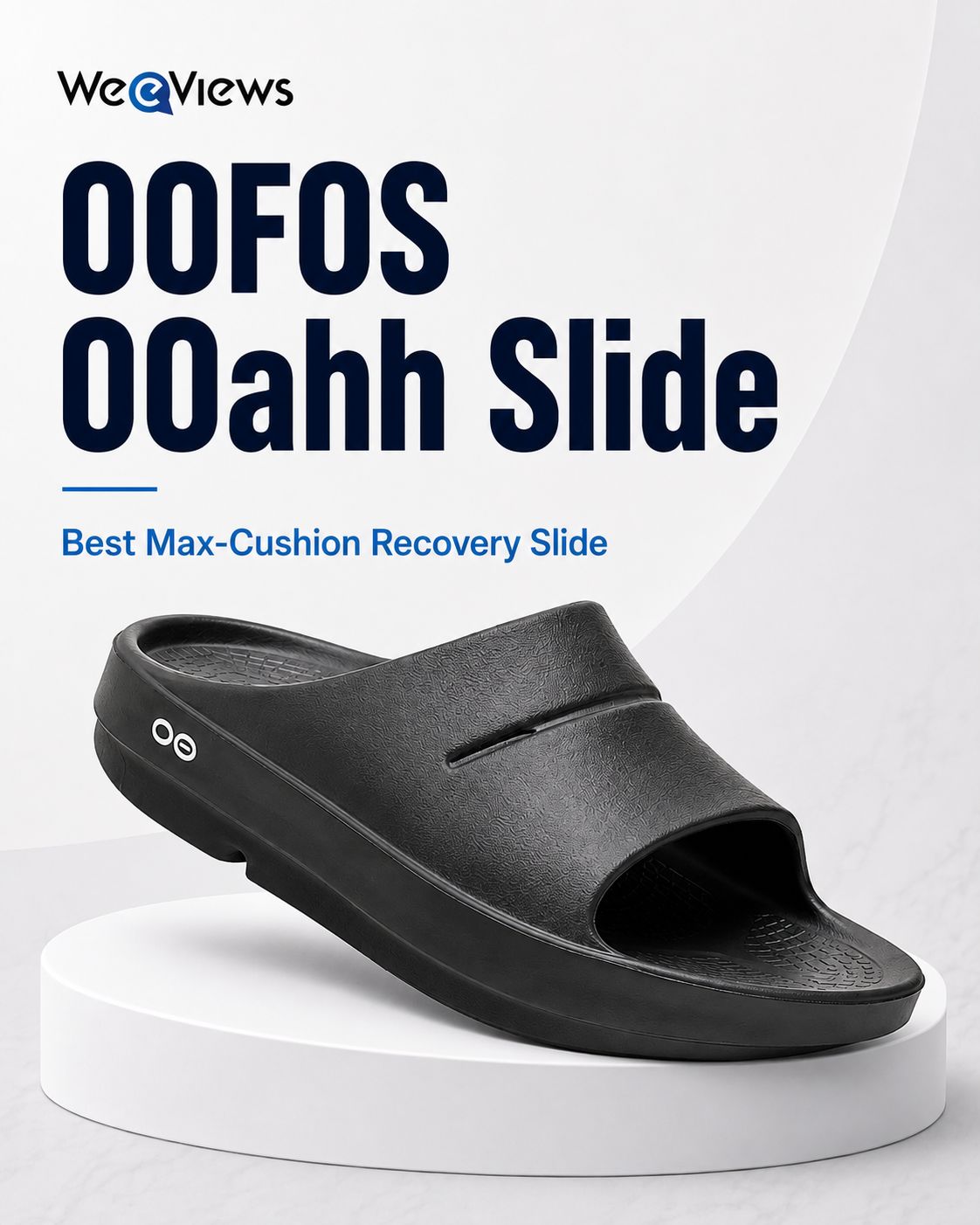
Price: $59.95
Reviewed by: Shana Helms and Michael Young
Best for: Runners who want a soft, squishy recovery slide after long runs, races, and hard workouts.
What do you want to put on your feet after a long run?
For a lot of runners, the answer is simple: something soft, easy, and cushioned enough to make tired feet stop complaining.
That’s where the OOFOS OOahh Slide fits best.
While the HOKA Ora Recovery Slide has a firmer, rocker-shaped feel, the OOahh Slide leans into that classic recovery-shoe sensation: soft, squishy, and immediately comforting underfoot. If you want a slide that feels less like a regular sandal and more like a post-run sigh of relief, this is the OOFOS lane.
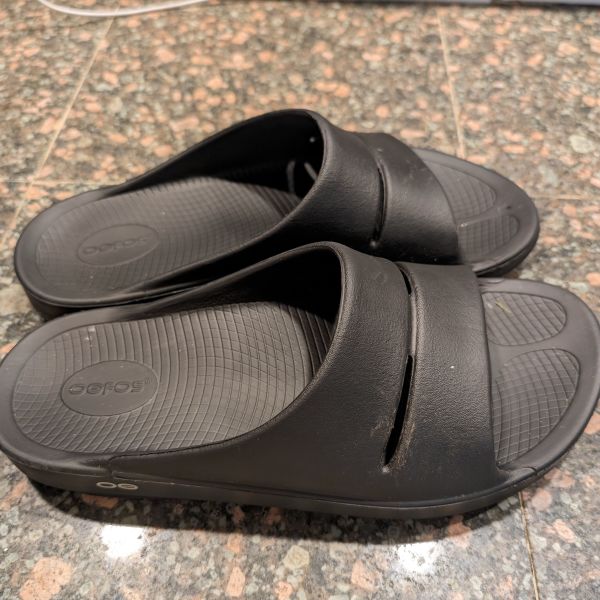
Florida-based runner Shana Helms reaches for the OOFOS OOahh Slide after long runs and regular training days.
Michael Young also found the OOahh to be one of those shoes that earns a permanent spot around the house. For him, the appeal is the balance of soft cushioning and enough firmness to feel supportive rather than flimsy.

The OOahh Slide is made with OOFOS’ signature OOfoam material, which gives it the soft, impact-absorbing feel the brand is known for. It’s easy to slide on, simple to wear around the house, and especially appealing after races, long runs, or heavy training blocks when your feet, knees, and legs are asking for a break.
The tradeoff is structure. If you prefer a firmer, more guided feel, the HOKA Ora may be a better fit. If you want more security for errands or walking around outside after a race, a closed-toe option like the Kane Revive or Stand+ AntiGrav1 may make more sense.
But if your main goal is maximum cushion in an easy post-run slide, the OOFOS OOahh is one of the most straightforward picks in this guide.
Pros
Cons
Bottom line: The OOFOS OOahh Slide is the best max-cushion recovery slide for runners who want soft, squishy, easy comfort after long runs, races, and hard training days.
Price: $65
Reviewed by: Abigail Lock
Best for: Runners who want an easy, waterproof recovery slide that feels soft without getting sloppy.
Some recovery slides go all-in on squish.
The Stand+ AG3 takes a slightly different route.
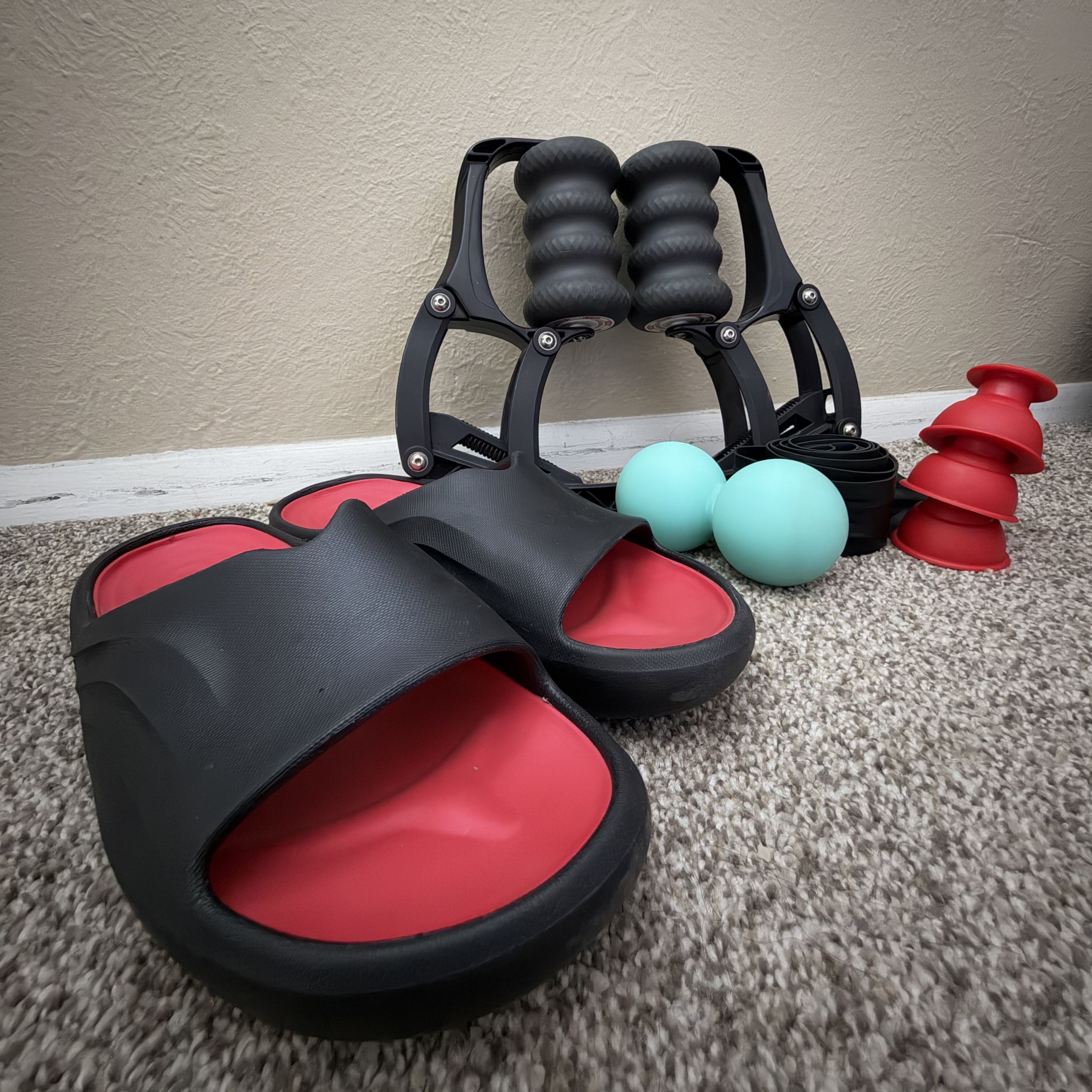
It still feels cushioned and forgiving after a run, ride, lift, or sweaty summer workout, but it has enough structure underfoot that you don’t feel like you’re sinking into the shoe. That makes it a good fit for runners who want post-workout comfort without the unstable, overly soft feel that can come with some recovery slides.
Compared to the Stand+ AntiGrav1, the AG3 is the more relaxed option. It’s easier to slip on, better for hot weather, and more natural for lounging after training. Compared to the OOFOS OOahh Slide, it feels more stable. Compared to the HOKA Ora Recovery Slide, it doesn’t have the same rocker-shaped roll, but it does offer a simple, supportive slide feel that works well for everyday recovery.
Durango-based runner, coach, and writer Abigail Lock tested the Stand+ AG3 after runs, bike rides, lifts, gym sessions, and pool days. For her, the biggest win was how easy the shoe was to reach for.

The AG3 is a true hands-free slide. No heel tugging. No bending down. No convincing your tired post-run feet to cooperate. Just step in and go.
The footbed has a subtle texture where the foot rests, giving it a more secure and pleasant feel than a completely smooth slide. It also has plenty of room for toe splay, which can feel especially nice after long runs, bike rides, or hard gym sessions when your feet want to decompress.
Another practical win: it’s waterproof. That makes the AG3 useful for pool days, damp surfaces, sweaty post-workout feet, gym bags, and summer recovery. It’s the kind of slide you can leave by the door, toss in a bag, or wear around the house without being precious about it.
The biggest drawback is security. The top band is not adjustable, and runners with narrow feet may find that it feels a little loose for longer walks. Abigail found the length right in a women’s 8, but noted that the strap could be snugger for extended walking. For lounging, pool use, and casual post-workout recovery, though, the fit worked well.
Read Abigail's full review here.
Pros
Cons
Bottom line: The Stand+ AG3 is the best stable recovery slide for runners who want soft-but-supportive cushioning, easy hands-free wear, and a waterproof design for hot weather, pool days, gym bags, and everyday post-workout recovery.
Price: $79.95
Best for: Runners who want the soft OOFOS recovery feel in a more covered clog-style shoe.
Slides are easy. Sandals are breezy. But sometimes, tired feet want a little more coverage.
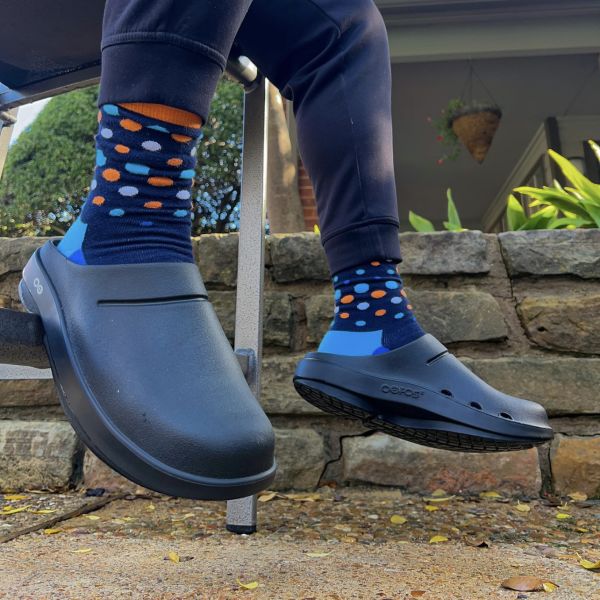
The OOFOS OOcloog stands gives runners the soft, impact-absorbing OOFOS feel in a closed-toe clog design that works well around the house, after long runs, on hard floors, or during casual recovery days when you want more coverage than a slide.
When runner and rock climber Lucie bruised her knee, she needed something that could help take pressure off her legs while she recovered. She tried a lot of quick fixes that didn’t do much, but the OOFOS OOcloog became one of the pieces of gear that actually helped her feel supported.
Like the OOFOS OOahh Slide, the OOcloog is built around that familiar soft OOfoam feel. Every step has a cushioned, squishy landing that can feel especially nice after long runs, hard workouts, or too many hours on your feet. But unlike the OOahh, the OOcloog has a covered toe and a more substantial shape, making it a better choice for runners who want a recovery shoe that feels a little more protective.
Lucie found the OOcloog comfortable, snug, supportive, and stable. That combination is what makes the clog useful in a recovery shoe lineup: it still feels soft, but it doesn’t leave your foot as exposed as a slide or sandal.
The tradeoff is style and bulk. This is not the sleekest shoe in the guide, and the full rubber exterior and interior may not appeal to everyone. If you want something breathable for hot weather, the Stand+ AG3 or HOKA Ora Recovery Slide may make more sense. If you want something more polished for travel or post-race dinner, the Aerothotic Raido is the better fit.
But if you like the soft OOFOS feel and want it in a more covered, clog-style recovery shoe, the OOcloog is an easy pick.
Pros
Cons
Bottom line: The OOFOS OOcloog is the best recovery clog for runners who want soft, cushioned OOFOS comfort in a more covered, supportive shoe for post-run recovery, hard floors, and everyday wear.
Price: $80
Reviewed by: Rachel and Jodi
Best for: Runners who want a breathable, closed-toe recovery shoe for post-race walking, errands, outdoor use, and active recovery.
Recovery slides are great until you need a little more coverage.
Maybe you’re walking around a race venue after finishing. Maybe you’re heading to the grocery store after a long run. Maybe you want something more protective than a sandal, but you don’t want your feet trapped in a warm, heavy shoe.
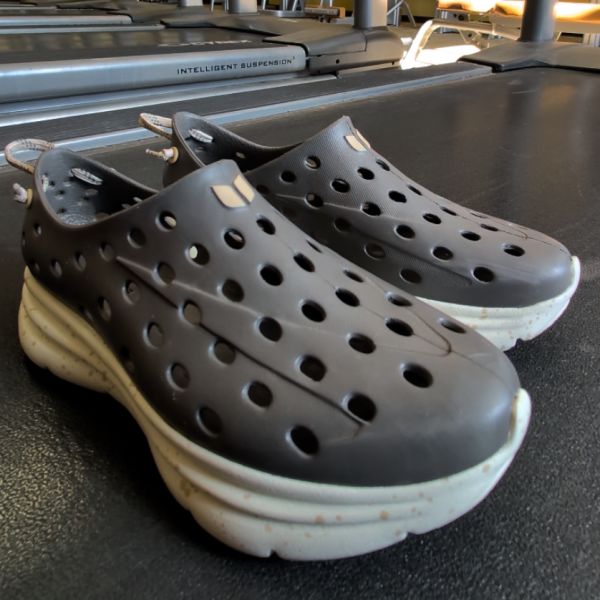
The Kane Revive is a closed-toe recovery shoe with a lightweight, perforated upper that gives it a more breathable feel than most covered recovery shoes. It has the easy-on practicality of a clog-style shoe, but with more ventilation than the OOFOS OOcloog and a more casual, active recovery feel than the Stand+ AntiGrav1.
Michigan-based marathon and ultramarathon runner, Rachel tried the Kane Revive while dealing with plantar fasciitis and Achilles tendonitis. She had been using an older pair of OOFOS sandals, but while those felt well-cushioned, they didn’t give her the support she wanted when walking around between runs.
The Kane Revive worked better for her.

Rachel also wore the Kane Revive after a half marathon trail race and found it to be a strong post-race option. Her muscles were sore, but her feet felt good — exactly what you want from a recovery shoe when you still have to walk back to the car, hang around the finish area, or stay on your feet after racing.
But the Kane Revive was not a universal home run for every tester.
Jodi found the shoe true to size, breathable, durable, and well-made, but she didn’t feel the same recovery benefit Rachel did. After years of running in shoes with a more natural toe box, she found the Kane’s narrower shape noticeable. She also felt the shoe was more practical than sandals for walking around outside post-run, but not especially cushy or restorative.
That makes the Kane Revive a specific kind of recovery shoe.
If you want the softest, squishiest recovery feel, the OOFOS OOahh is the better pick. If you want a more premium closed-toe recovery shoe with a removable insole, firmer support, and hard-floor comfort, the Stand+ AntiGrav1 makes more sense.
But if you want a breathable closed-toe recovery shoe that can handle errands, post-race walking, gym bags, outdoor use, and active recovery better than a standard slide, the Kane Revive earns its spot.
Pros
Cons
Bottom line: The Kane Revive is the most breathable closed-toe recovery shoe in this guide, making it a practical pick for runners who want more coverage than a slide without trapping their feet in a warm, heavy recovery shoe.
Price: $120
Reviewed by: Abigail Lock
Best for: Runners who want a supportive, closed-toe recovery shoe for hard floors, errands, standing-heavy days, and post-workout comfort.
Some recovery shoes are made for lounging.
The Stand+ AntiGrav1 feels like it was made for runners who still have things to do.
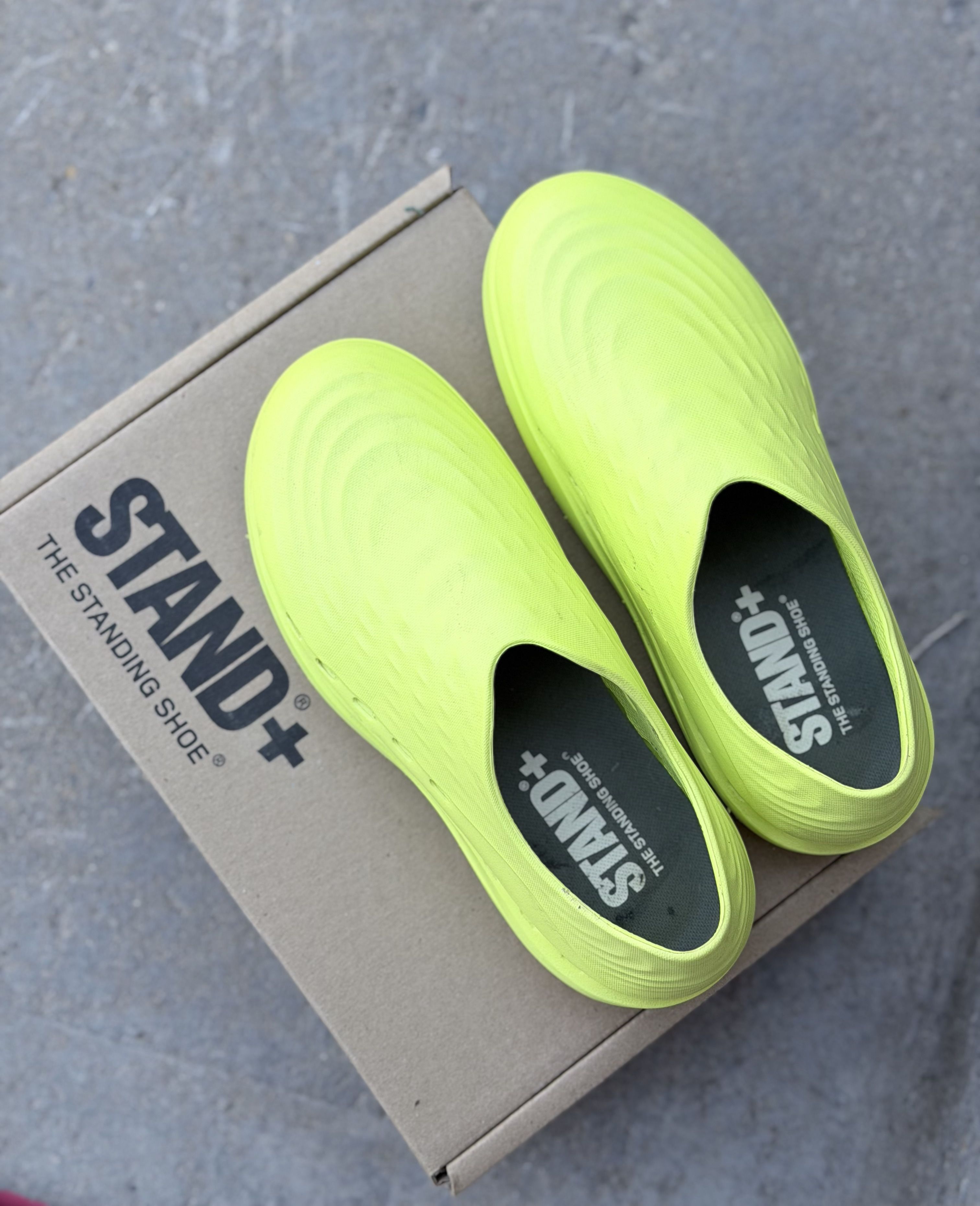
It’s not the softest shoe in this guide, and it’s not trying to be. Instead, the AntiGrav1 delivers a firmer, more supportive recovery feel with a removable Ortholite insole, a closed-toe design, and enough structure to make it useful when you’re standing, walking around the house, running errands, or dealing with hard floors after training.
That’s what separates it from the Kane Revive and OOFOS OOcloog.
The Kane Revive is the more breathable closed-toe option. The OOcloog gives runners the soft OOFOS recovery feel in a clog. But the Stand+ AntiGrav1 is the premium closed-toe pick in this guide because it feels more engineered, more supportive, and more adaptable for runners who want recovery comfort that can handle more than couch-to-kitchen mileage.
Durango-based runner, coach, and writer Abigail Lock tested the Stand+ AntiGrav1 after runs, rides, lifts, and long days on her feet. She found that the shoe made the most sense for runners who need more support than a slide, especially on hard surfaces.
The removable Ortholite insole is one of the AntiGrav1’s biggest differentiators. The shoe itself has a firm, structured feel, but the insole adds cushioning and helps cradle the foot. That combination gives the AntiGrav1 a more stable recovery feel than ultra-soft slides, which may appeal to runners who don’t love sinking into squishy foam.
The fit also has a unique feature: heat molding.
Abigail tested her usual women’s 8.5, and while the length felt true to size, the top of the toe box felt restrictive at first. Stand+ provides instructions for using a hair dryer to heat mold the forefoot, and the fit improved after molding. Still, runners who want lots of natural toe splay may prefer a roomier option.
Where the AntiGrav1 really shines is practical recovery. It’s easier to wear for errands than a slide, more protective than a sandal, and more supportive for hard floors than a basic clog. Abigail found herself reaching for it during standing desk sessions, chores, quick errands, and post-workout walking.
The tradeoff is that this is not the breeziest or cheapest recovery shoe. At $120, it’s a premium product. It also runs warmer than open slides, works better with socks for some feet, and is not a true hands-free slip-in. If you want casual poolside comfort, the Stand+ AG3 is the easier pick. If you want maximum soft cushioning, go OOFOS.
But if you want a closed-toe recovery shoe with firmer support, a removable insole, easy-clean construction, and a more premium feel, the Stand+ AntiGrav1 has a clear place in the lineup.
Pros
Cons
Bottom line: The Stand+ AntiGrav1 is the best premium closed-toe recovery shoe for runners who want firm support, a removable insole, and practical recovery comfort for hard floors, errands, chores, and long days on their feet.
Price: $125
Reviewed by: Michael Young
Best for: Runners who want a warm, comfortable recovery shoe with a roomy toe box, grippy outsole, and slipper-like feel.
Some recovery shoes are made for sweaty summer feet, but the Topo Athletic Revive Slip-on is not really that shoe. This is the cozy recovery pick in the lineup: soft, warm, roomy, and easy to wear when your feet want comfort but you still need enough traction to walk the dog, run errands, or shuffle around after a long run.
For runners who like Topo’s natural fit, the Revive Slip-on brings that familiar roomy forefoot into a recovery shoe. It has a fleece upper for warmth, a soft EVA midsole for comfort, a beaded footbed that gives your feet a subtle massage with each step, and a Vibram outsole that makes it more practical outside the house than a basic slipper.
Michael Young tested the Topo Athletic Revive Slip-on for months and found himself reaching for it constantly.
That winter-friendly comfort is the Revive’s clearest lane. Michael liked the fleece upper because it kept his feet warm and comfortable even without socks. On colder days, he paired them with wool socks and was good to go.
The footbed was another standout. Instead of a flat, smooth interior, the Revive has a raised, beaded texture that Michael said massages the feet with every step. Paired with the soft EVA midsole, it gave the shoe a recovery-friendly feel after running and other activities.
The outsole also helps separate the Revive from a normal house slipper.
Michael appreciated the Vibram outsole because he could wear them for errands or walking the dog without worrying about slipping. That added grip also helps with durability, since the outsole takes the wear instead of relying only on exposed midsole foam.
The tradeoff is warmth. If your feet run hot, or you’re looking for something breezy after a summer long run, the Stand+ AG3, HOKA Ora, or OOFOS OOahh will probably make more sense. The Revive is also one of the more expensive recovery options in this guide at $125.
But for runners who want a cozy slip-on with real outsole grip, a roomy forefoot, and enough comfort to become the shoe you keep by the door all winter, the Topo Athletic Revive Slip-on has a very clear role.
Pros
Cons
Bottom line: The Topo Athletic Revive Slip-on is the best cozy recovery shoe for runners who want slipper-like comfort, a roomy toe box, and enough grip for errands, dog walks, cold mornings, and winter post-run recovery.
Price: $44.99
Reviewed by: Jenna Busch-Henderson
Best for: Runners who want a supportive recovery sandal that can pass as a normal everyday sandal.
Most recovery shoes look like recovery shoes. That is not always a bad thing. After a long run, comfort matters more than looking polished. But if you’re packing for a destination race, walking to a post-run coffee stop, heading to dinner after a marathon, or trying to bring one pair of sandals that can do a little bit of everything, a chunky foam slide may not be the vibe.
That’s where the Aerothotic Raido Strappy Sandal comes to the rescue.
It’s the most polished-looking recovery sandal in this guide, with a strappy vegan leather upper, microfiber padding, arch support, and a wide toe area that gives tired feet room without looking overly sporty. It also comes in at one of the lowest prices on the list, making it a practical pick for runners who want recovery comfort without spending premium recovery-shoe money.

Los Angeles runner Jenna Busch-Henderson tested the Aerothotic Raido while training heavily and running 36 to 50 miles per week. She did exactly what you’re not supposed to do with a new pair of sandals: put them on with no break-in period and accidentally walk three miles.
The result?
No rubbing. No foot stress. No between-the-toes irritation.
That no-rub comfort is one of the Raido’s biggest wins. Jenna noted that the microfiber padding kept the straps comfortable, the toe post did not bother her, and the wide toe area helped prevent rubbing on the outside of her toes. For runners whose feet feel swollen, tired, or sensitive after training, those small fit details matter.
She also liked the curved arch support and deep heel cup. The sandal has cushioning, but not so much that it feels unstable or changes how she walks. For runners with high arches or anyone who dislikes completely flat sandals after a run, that support gives the Raido a clearer recovery role than a standard fashion sandal.
The biggest advantage, though, may be versatility. Jenna liked that the Raido seemed especially useful for travel, race weekends, and post-run plans when you want one sandal that can handle recovery and still look presentable.
The tradeoff is that this is still a strappy sandal, not a performance recovery slide or closed-toe shoe. It will not feel as soft as the OOFOS OOahh, as rocker-shaped as the HOKA Ora, or as protective as the Kane Revive or Stand+ AntiGrav1. It’s also a women’s-specific style, so it won’t be the right pick for every runner.
But if you want recovery support in a sandal that doesn’t scream “I just ran a race and my feet are fighting for their lives,” the Aerothotic Raido is the most stylish option in this guide.
Pros
Cons
Bottom line: The Aerothotic Raido Strappy Sandal is the best stylish recovery sandal for runners who want supportive post-run comfort in a more polished, travel-friendly sandal that can go from recovery to real life.
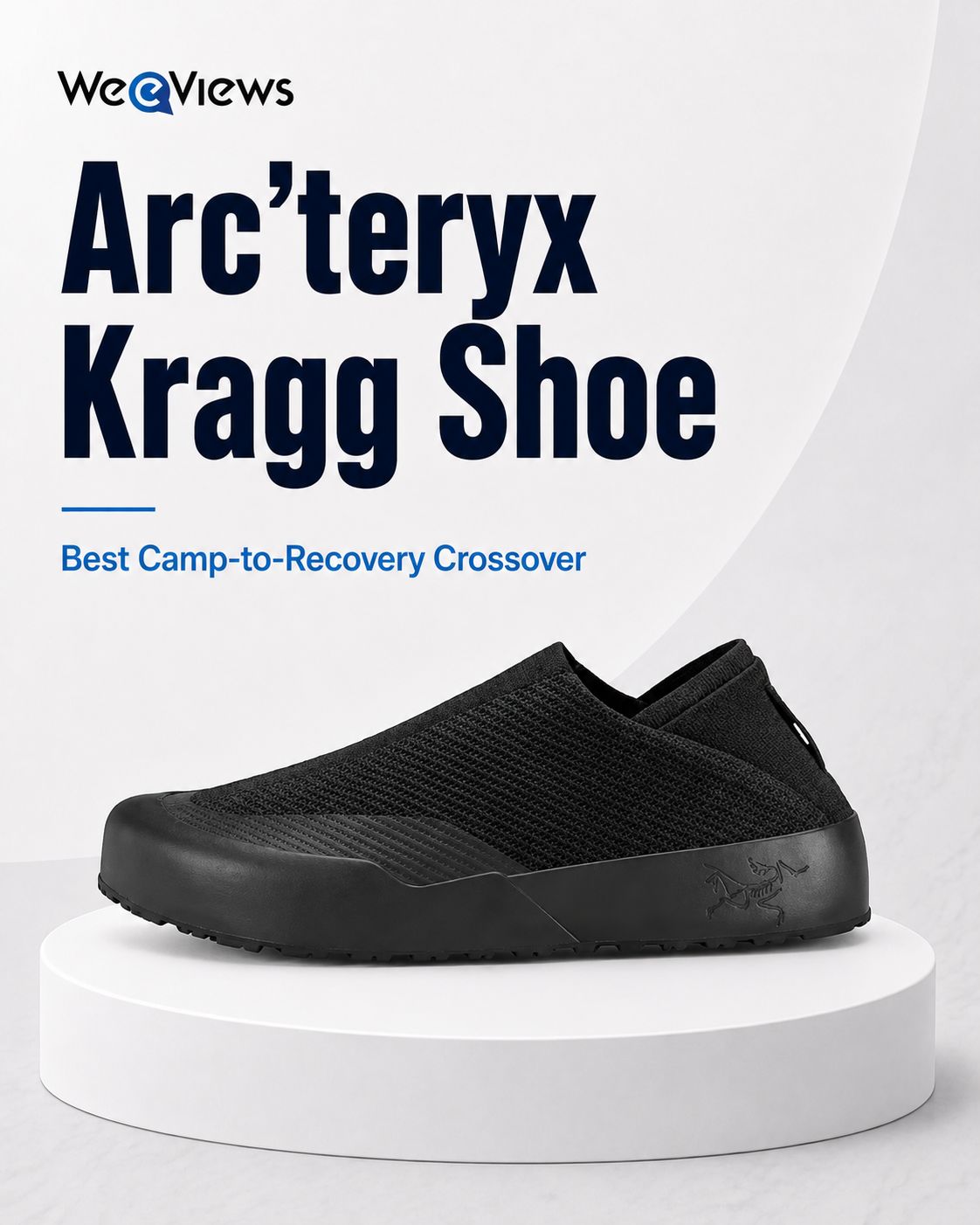
Price: $100–$160, depending on model and availability
Reviewed by: Michael Young
Best for: Trail runners, climbers, campers, and mountain athletes who want one shoe for recovery, travel, camp, and trailhead life.
The Arc’teryx Kragg Shoe is not a traditional recovery shoe.
It is not a squishy slide. It is not a foam clog. It is not the shoe you buy if your only goal is to shuffle from the couch to the kitchen after a long run.
But for trail runners, mountain athletes, climbers, campers, van-lifers, and anyone who tends to end up on rocky trailheads after big days outside, the Kragg fills a different kind of recovery role.
It is the crossover pick in this guide: part slip-on, part camp shoe, part approach shoe, part recovery shoe.
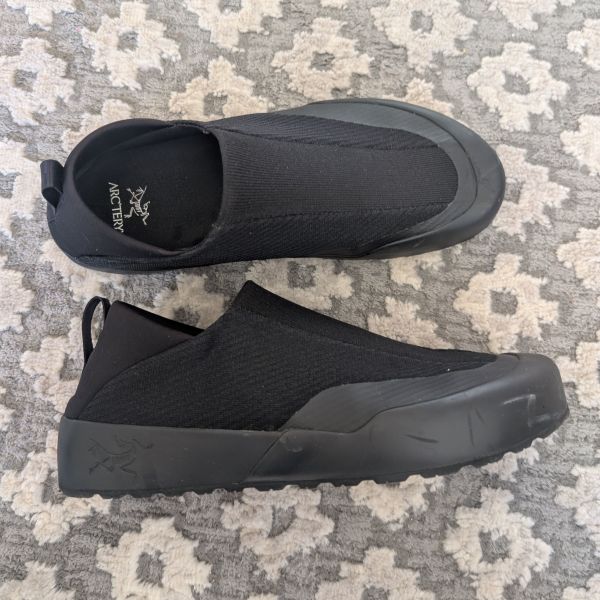
Michael Young picked up the Arc’teryx Kragg after wanting to try the slip-on for a while, and it quickly became his go-to everyday shoe. For him, the appeal was simple: it felt soft enough for recovery, but structured enough for real-life use.
That versatility is the Kragg’s biggest strength.
The midsole has a plush, soft feel that Michael found helpful for easing achy legs after long runs, but the shoe still has more structure than a standard recovery slide. It also has a Vibram Megagrip outsole, which gives it a much more capable underfoot feel than most recovery footwear. Michael wore the Kragg on muddy trails and slick rock and found the grip dependable.
Another useful feature is the collapsible heel. Around the house or at camp, the heel can fold down so the Kragg wears more like a slipper. When it’s time to run errands, walk around the trailhead, or move over uneven ground, you can pop the heel back up for a more secure fit.
The upper is breathable, the toe cap adds protection, and the shoe looks more like an outdoor lifestyle shoe than a recovery sandal. That makes it a good pick for runners who want something they can wear after a long run without immediately announcing to the world, “My legs are toast.”
But there are tradeoffs.
The Kragg is expensive compared to most recovery slides and sandals. It is also not as soft as OOFOS, not as easy-breezy as the Stand+ AG3, and not as warm or cozy as the Topo Athletic Revive Slip-on. Michael also noted that while the shoe is intended for climbing approaches, it does not have enough lockdown for actual climbing use.
So, no, this is not the best pure recovery shoe in the guide.
But if your version of recovery includes walking around camp, scrambling around a trailhead, packing one versatile shoe for travel, or wanting something that can handle more terrain than a foam slide, the Arc’teryx Kragg makes a lot of sense.
Pros
Cons
Bottom line: The Arc’teryx Kragg Shoe is the best camp-to-recovery crossover for trail runners and mountain athletes who want plush post-run comfort, real outsole grip, and enough structure for camp, travel, errands, and trailhead life.
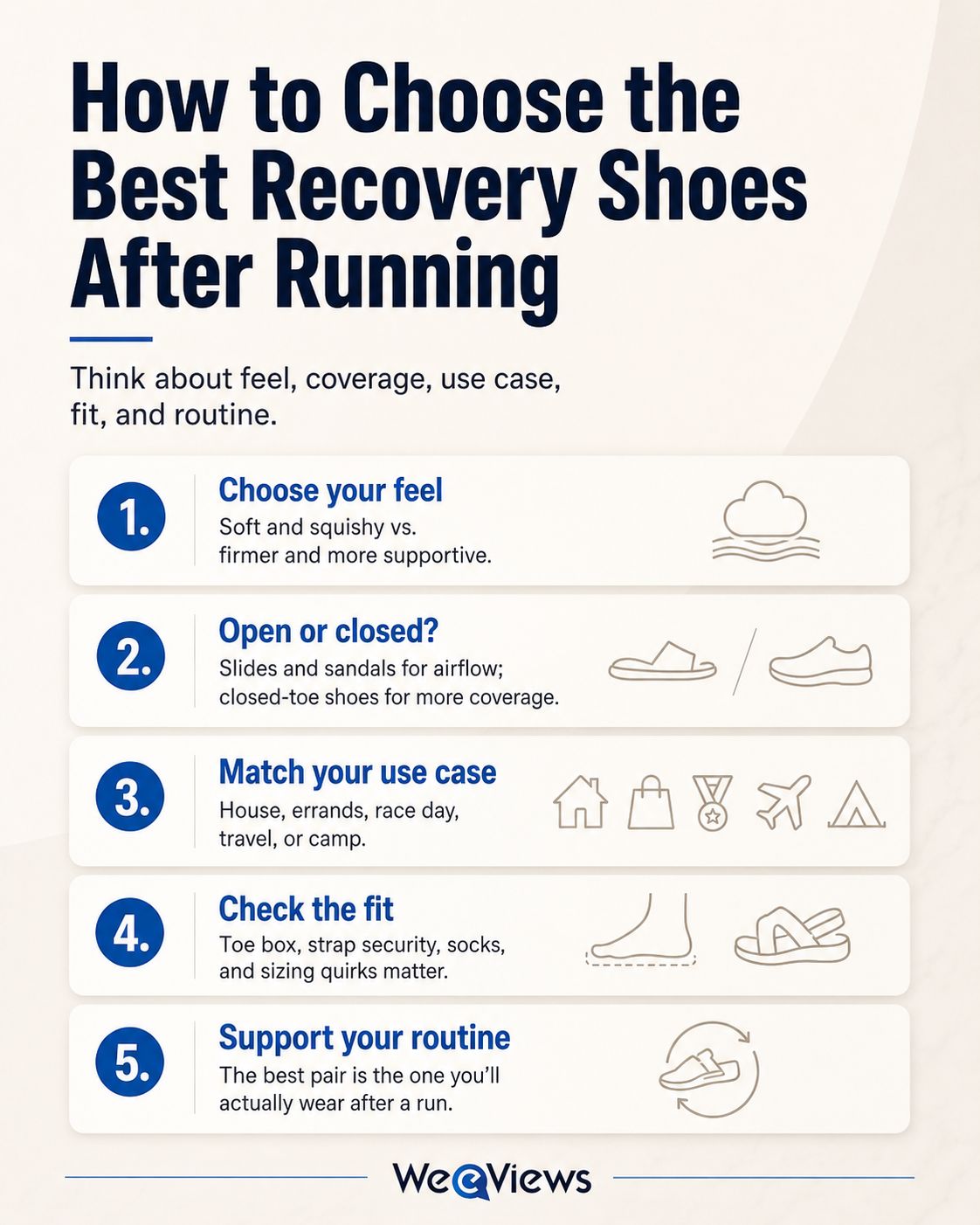
If you want the softest, squishiest post-run feel, the OOFOS OOahh Slide is the clear max-cushion option in this guide. If you prefer a firmer or more stable feel, the HOKA Ora offers a rocker-shaped ride, while the Stand+ AG3 feels cushioned without getting sloppy.
Open recovery shoes like the HOKA Ora, OOFOS OOahh, Stand+ AG3, and Aerothotic Raido are great for lounging, warm weather, pool days, and easy post-run wear. Closed-toe options like the OOFOS OOcloog, Kane Revive, Stand+ AntiGrav1, Topo Revive, and Arc’teryx Kragg offer more coverage for errands, race venues, hard floors, colder weather, and outdoor use.
If you mostly want something for around the house after daily runs, a slide or clog may be all you need. If you want recovery footwear for errands, travel, post-race meals, camp, or standing on hard floors, choose a pair built for that specific use case.
Recovery shoes can fit differently than running shoes, especially when they lack half sizes, adjustable straps, or a roomy toe box. Think about whether your feet swell after runs, whether you prefer socks, and whether you need a secure fit for walking or a roomier fit for lounging.
Recovery shoes will not replace sleep, nutrition, strength work, or actual rest, but they can make post-run life more comfortable. The best pair is the one you’ll actually wear after training, whether that means max cushion, firm support, breathable coverage, cozy warmth, or something stylish enough for travel.
Related: Race Day Insights 2026
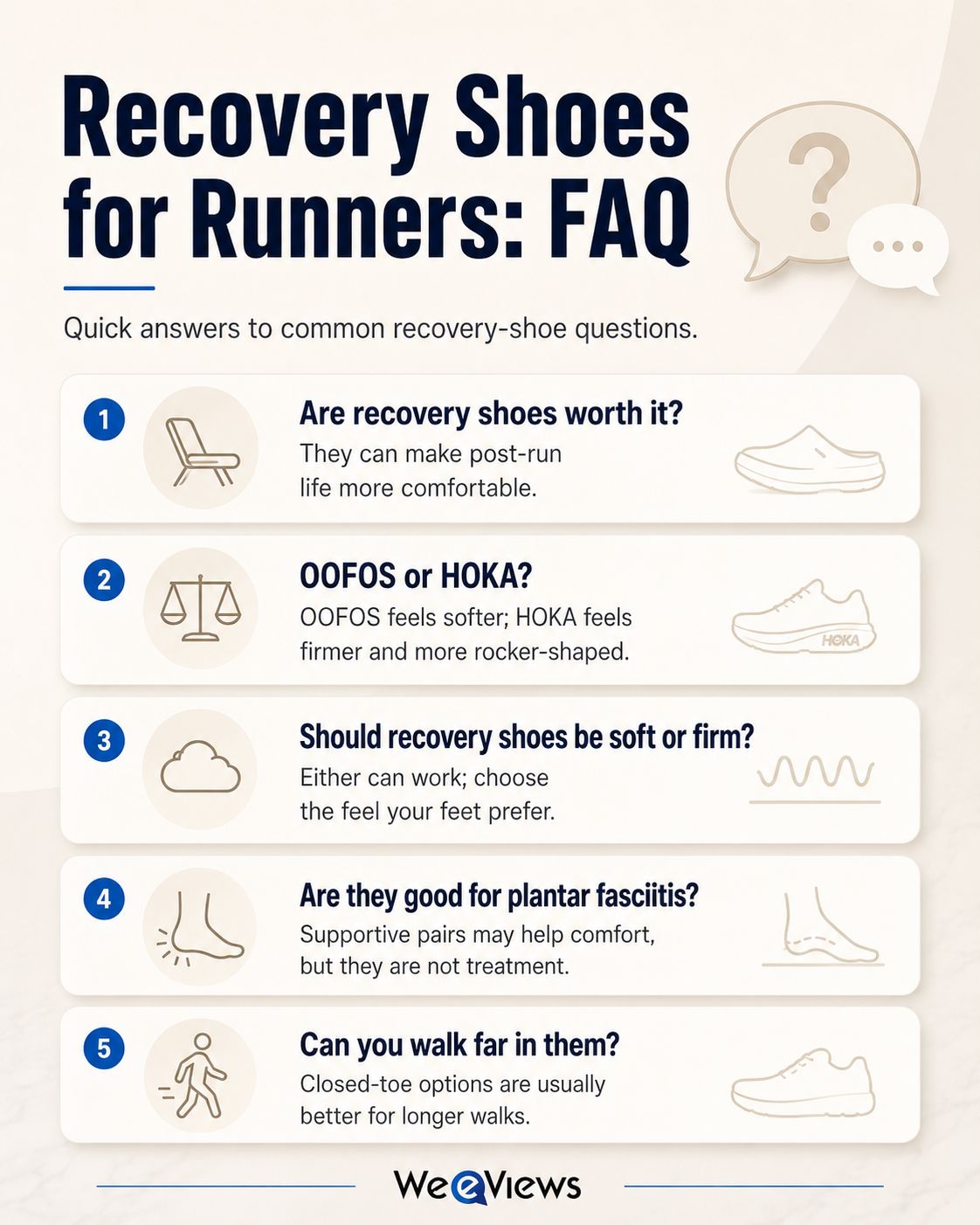
Are recovery shoes actually worth it for runners?
Recovery shoes can be worth it if your feet, legs, or joints feel beat up after running, or if you spend a lot of time walking or standing on hard floors after workouts. They are not magic, and they will not replace sleep, nutrition, strength work, or actual rest. But a good pair of recovery shoes can make post-run life more comfortable by giving your feet more cushion, support, or protection than going barefoot or wearing flat sandals.
What are the best recovery shoes after running?
The best recovery shoes after running depend on what you want them to do. If you want a durable recovery slide with a rocker-shaped feel, the HOKA Ora Recovery Slide is a strong overall pick. If you want maximum soft cushioning, the OOFOS OOahh Slide is the better choice. If you want a stable, waterproof slide, the Stand+ AG3 stands out. If you want more coverage, look at closed-toe options like the OOFOS OOcloog, Kane Revive, or Stand+ AntiGrav1.
Are OOFOS or HOKA recovery slides better?
OOFOS and HOKA recovery slides feel different. OOFOS slides usually feel softer, squishier, and more max-cushioned underfoot. HOKA recovery slides feel a little firmer and more structured, with a rocker-shaped sole that helps guide your step as you walk. Choose OOFOS if you want the softest recovery feel. Choose HOKA if you want a more durable, everyday slide with a guided roll.
Should recovery shoes be soft or firm?
Recovery shoes do not have to be ultra-soft to be useful. Some runners love a soft, squishy recovery slide because it feels instantly comforting after long runs. Other runners prefer a firmer shoe because it feels more stable and supportive when walking around. If you want max cushion, try OOFOS. If you want a firmer rocker slide, try HOKA. If you want a closed-toe shoe with more structure, the Stand+ AntiGrav1 may make more sense.
Are recovery shoes good for plantar fasciitis?
Some runners with plantar fasciitis or foot sensitivity prefer recovery shoes because they offer more cushioning and support than walking barefoot or wearing flat sandals. Supportive options like the HOKA Ora, Kane Revive, OOFOS OOcloog, or Stand+ AntiGrav1 may feel better for runners who dislike hard floors after training. That said, recovery shoes are not a treatment plan. If you have ongoing foot pain, it is worth working with a qualified medical professional.
Can you walk long distances in recovery shoes?
Some recovery shoes are better for walking than others. Open slides like the OOFOS OOahh, HOKA Ora, and Stand+ AG3 are great for post-run comfort, but they may not feel secure enough for longer walks. Closed-toe options like the Kane Revive, Stand+ AntiGrav1, Topo Athletic Revive Slip-on, and Arc’teryx Kragg offer more coverage and may be better for errands, race venues, dog walks, travel, or trailhead use.
Should I wear recovery shoes with socks?
It depends on the shoe and your feet. Some recovery slides and sandals are designed to be worn barefoot, while some closed-toe recovery shoes may feel better with socks. The Kane Revive has a textured footbed that some runners may prefer with socks, and the Stand+ AntiGrav1 may also feel more comfortable with socks for certain foot shapes. The Topo Athletic Revive Slip-on has a cozy fleece upper that can work with or without socks depending on the weather.
What should I look for in recovery shoes?
Look for recovery shoes that match your actual routine. Consider cushioning, support, fit, breathability, outsole grip, ease of cleaning, and whether you want an open slide or a closed-toe shoe. Also pay attention to fit quirks like no half sizes, non-adjustable straps, narrow toe boxes, toe posts, or whether the shoe feels better with socks. The best recovery shoe is the one that feels good after running and fits the way you actually live after your workout.
Tell us about them in the comments or create a WeeView about your favorite recovery shoes, slides or sandals.



David Moore Oofos Sandals for me! These are the best after a long run.
Login to your account to leave a comment.
Review gear you already use. Earn Star Points. Qualify to test free running shoes and gear.