Upload / Capture
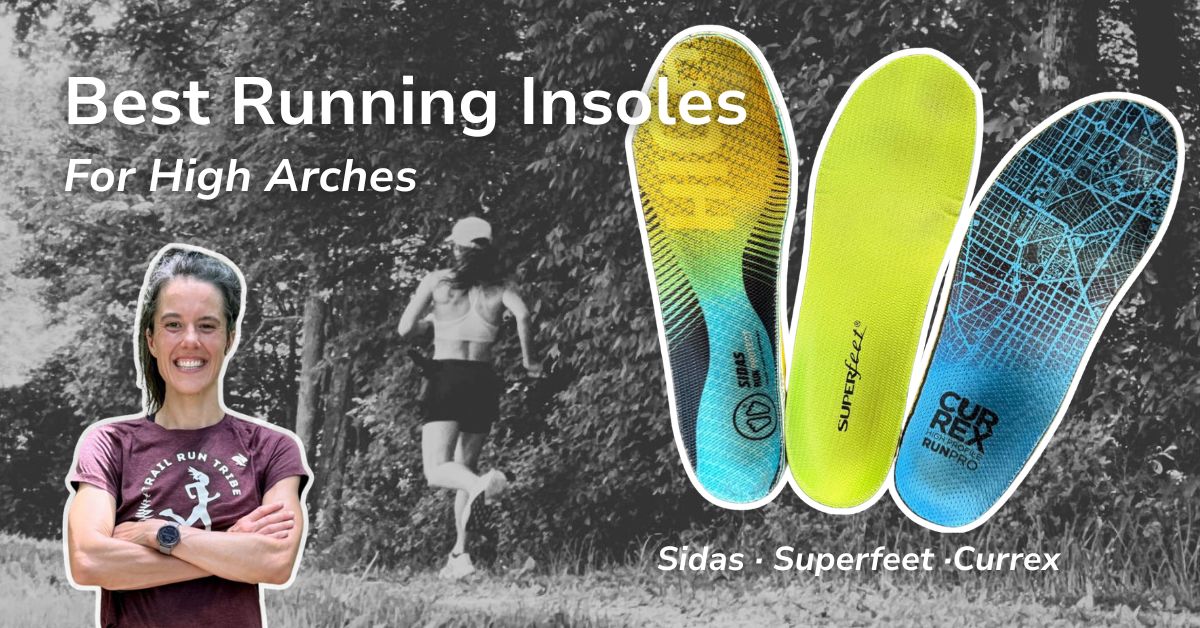
My foray into insoles began in 2013, after I had my first son. Postpartum, I had developed plantar fasciitis and heel spurs. Experimenting with insoles was short-lived and fraught. A friend who was marathon training raved about Superfeet, so I got a pair. They were painful and aggravating rather than alleviating, so I gave up on them for more than a decade.
In October 2025, I was training for a trail 50k and ran too hard and fast during a net downhill session on chunky gravel trails and developed a bone bruise on the ball of my right foot. I couldn’t run for a week, and when I returned to running, it felt too soon.
So I pulled my 50k registration and went to a podiatrist, one recommended by a close running friend.
He asked me to bring in my six pairs running shoes and found that almost all of the wear on the insoles lies in the forefoot, with very little to no wear in the heels, and absolutely zero on the arches.
Translation:
1. I run on the balls of my feet.
2. I have an extremely high arch, which doesn’t touch the factory insoles in any of my shoes.
This was not news - it’s the feedback I’ve received from every gait analysis, physical therapist, coach, and shoe fitting I’ve ever had.
What to do about it this time, though?
The podiatrist pulled out the factory insoles of all of my shoes to show how thin and unsupportive they are, not what I need for my high arches.
Impatient, I asked for a cortisone shot.
He laughed and said no, that’s not the solution.
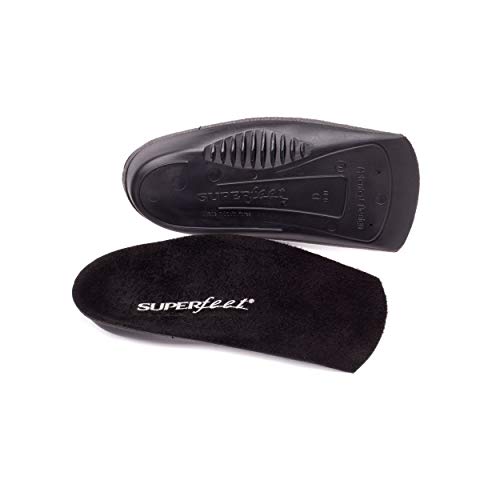
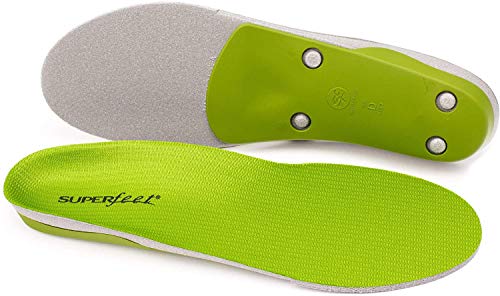
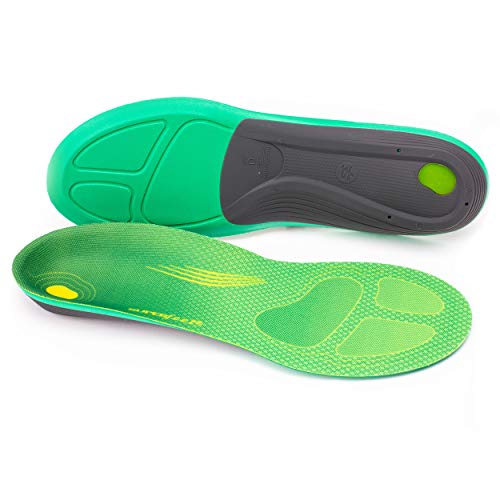
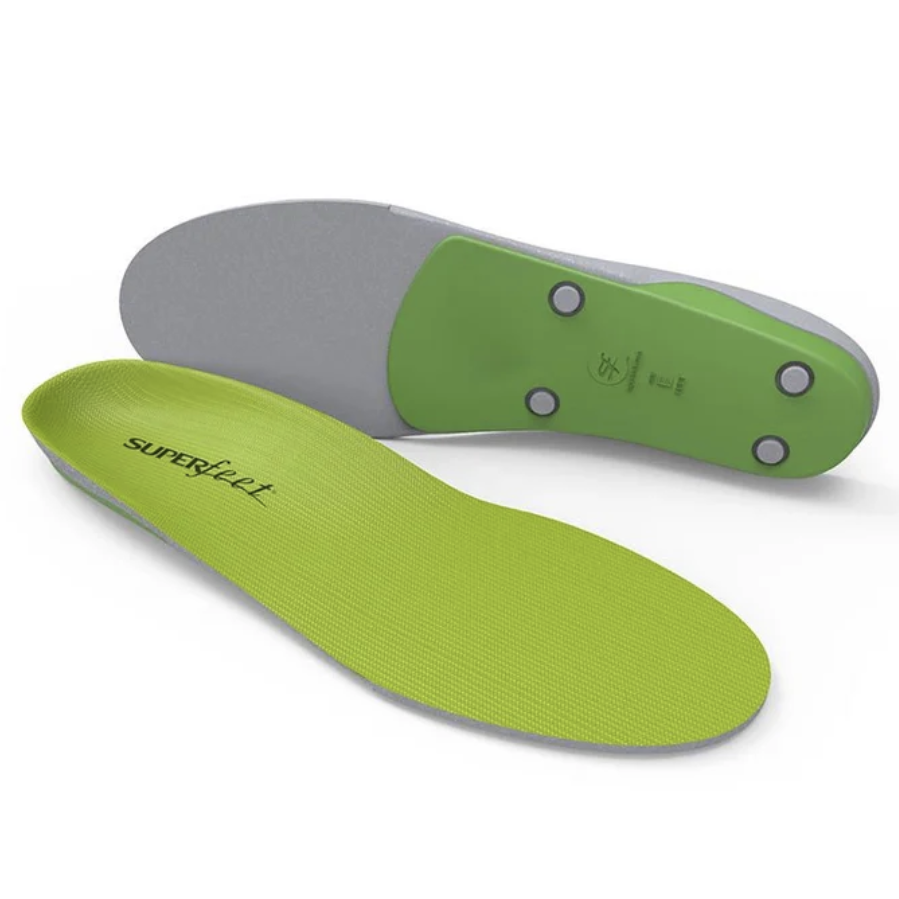
Instead, he took a pair of Superfeet Green All-Purpose Support High Arch Insoles and put a custom lift on the heel. This, he explained, is what my specific foot and strike require, particularly if I were to continue to run trail ultras.
Then he told me to keep running, that I would be OK, and to be proud of my strong feet and calves. With that, I was back on the insole train.
Quickly, though, the Superfeet insoles felt too bulky for my favorite shoes, made the fit awkward, and felt painfully rock hard after running for more than an hour. It was not a smooth or easy transition. Not wanting to completely throw away the idea of arch support, I went in another direction.
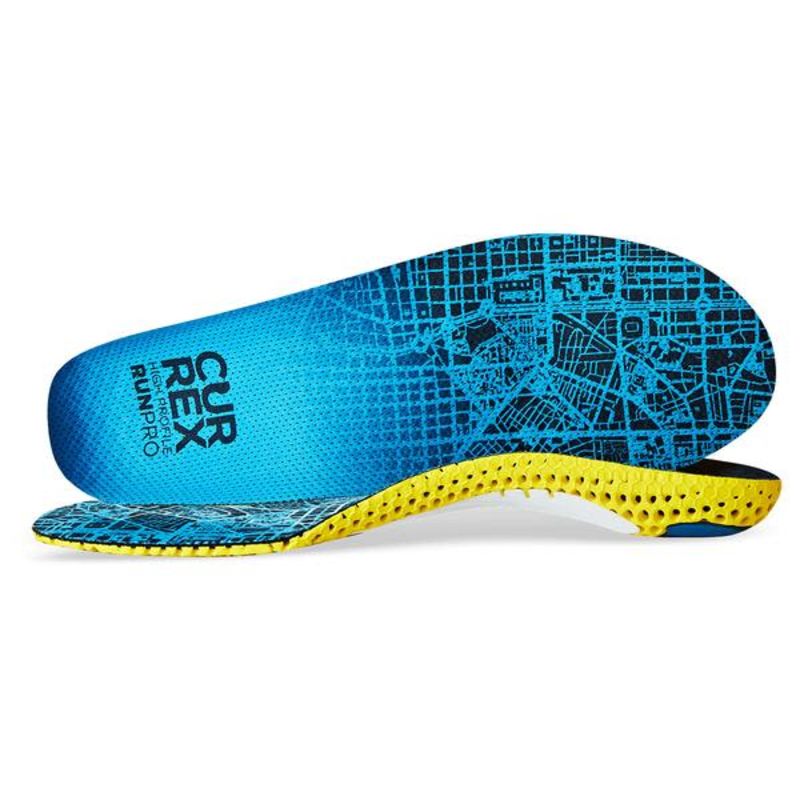
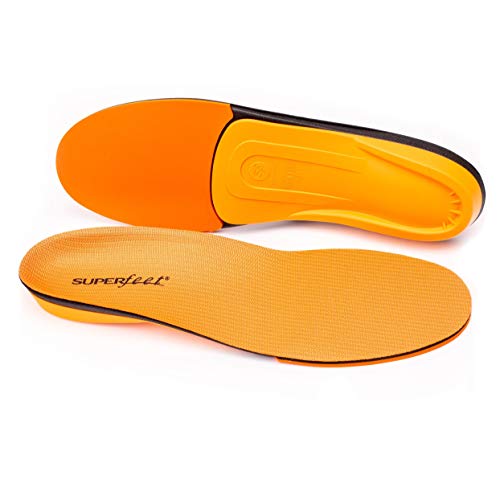
I did some research, without consulting with the podiatrist, and decided to add the Currex RunPro Insoles and the Sidas Run 3feet Protect High Insoles to the mix.
Now I had a solid rotation of support for my high arches.
Another reason I was excited about incorporating insoles was the potential for filling in running shoes that often feel too sloppy on my narrow heels and midfoot.
I never realized it, but I have spent decades feeling as if my feet cannot settle into the midfoot of shoes. It seems this whole time it was my arches. Here I was thinking I just had to live with it. Thanks to these running specific insoles, I don’t.
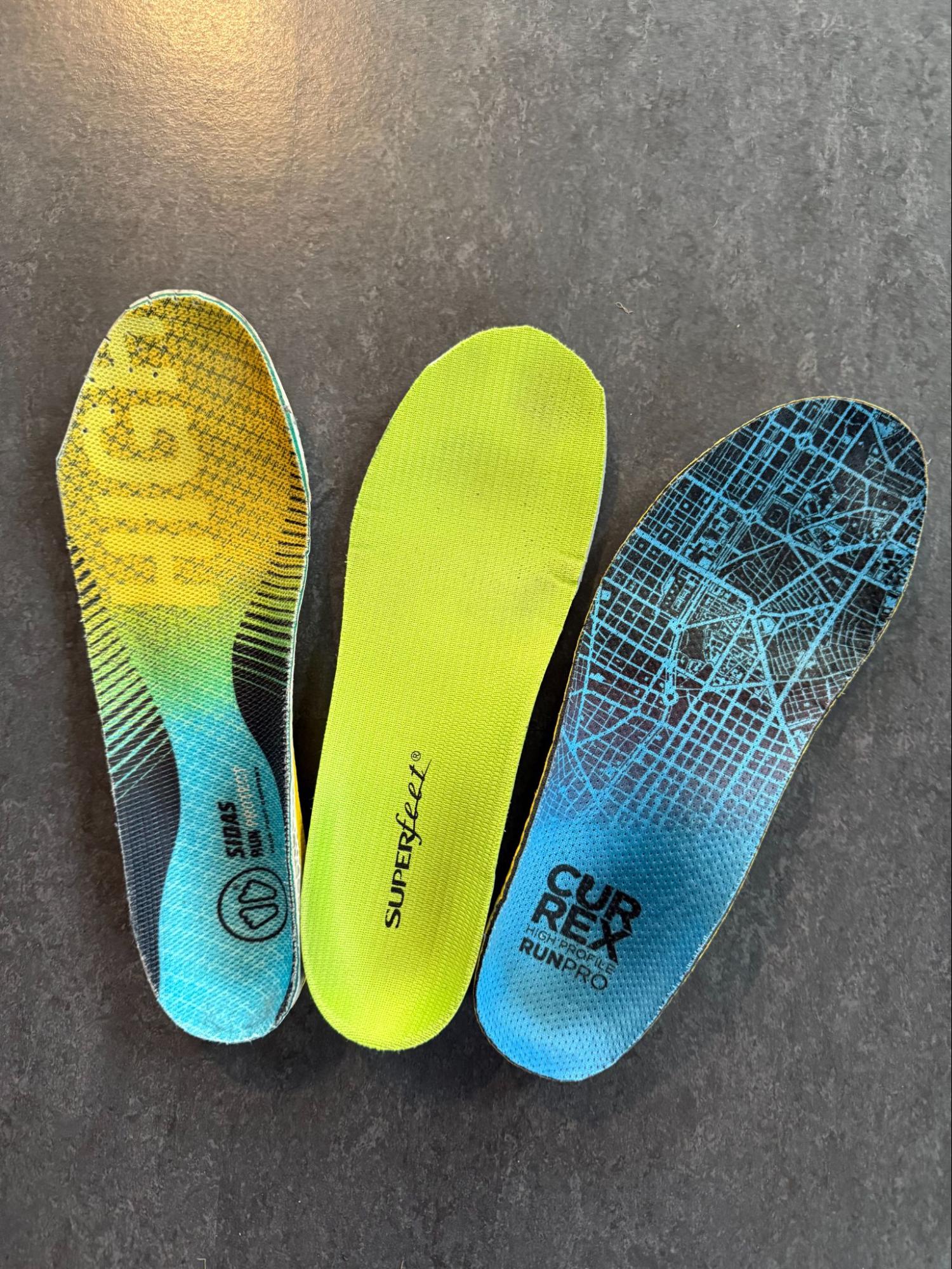
After 1,200+ miles of testing, Brynn found Sidas and Currex to be the best running insoles for high arches. Both felt natural quickly, fit well in most running shoes, and added firm arch support without a difficult break-in period. Superfeet Green offered the stiffest support but felt bulky in running shoes, making it a better fit for biking and casual shoes.
I started with single digit runs, a recommendation when first using insoles.
For Superfeet, I would have to agree with this advice - build up to them.
However, surprisingly and happily, I found that the Currex and Sidas insoles required nearly no break-in period. They both felt natural almost right away. This might not be the case for everyone.
Testing began on October 20, 2025, and went until June 13, 2026, the day I ran the Laurel Highlands Ultra 50k trail race.
Testing consisted of running, cycling, and backcountry skiing, though I only logged one ski session in the total activity miles because I ended up not using insoles in my backcountry ski boots. However, next year I will probably invest in some because ski boots, which have a high volume midfoot, cause my arches to ache.
Total Stats for the 3 Insoles:
Finding the best running insoles for high arches can feel surprisingly complicated. Some add support but make your shoes feel cramped. Others promise comfort but barely touch your arch. And if you rotate through multiple running shoes, bike shoes, and everyday pairs, the “right” insole may depend on a lot more than one easy jog around the block.
For Brynn, insoles became more than a minor shoe tweak after a podiatrist pointed out what years of running had already hinted at: her high arches were not making meaningful contact with the factory insoles in most of her shoes. That lack of support showed up in foot fatigue, sloppy midfoot fit, and eventually a deeper curiosity about whether the right insole could make running shoes feel better, not just different.
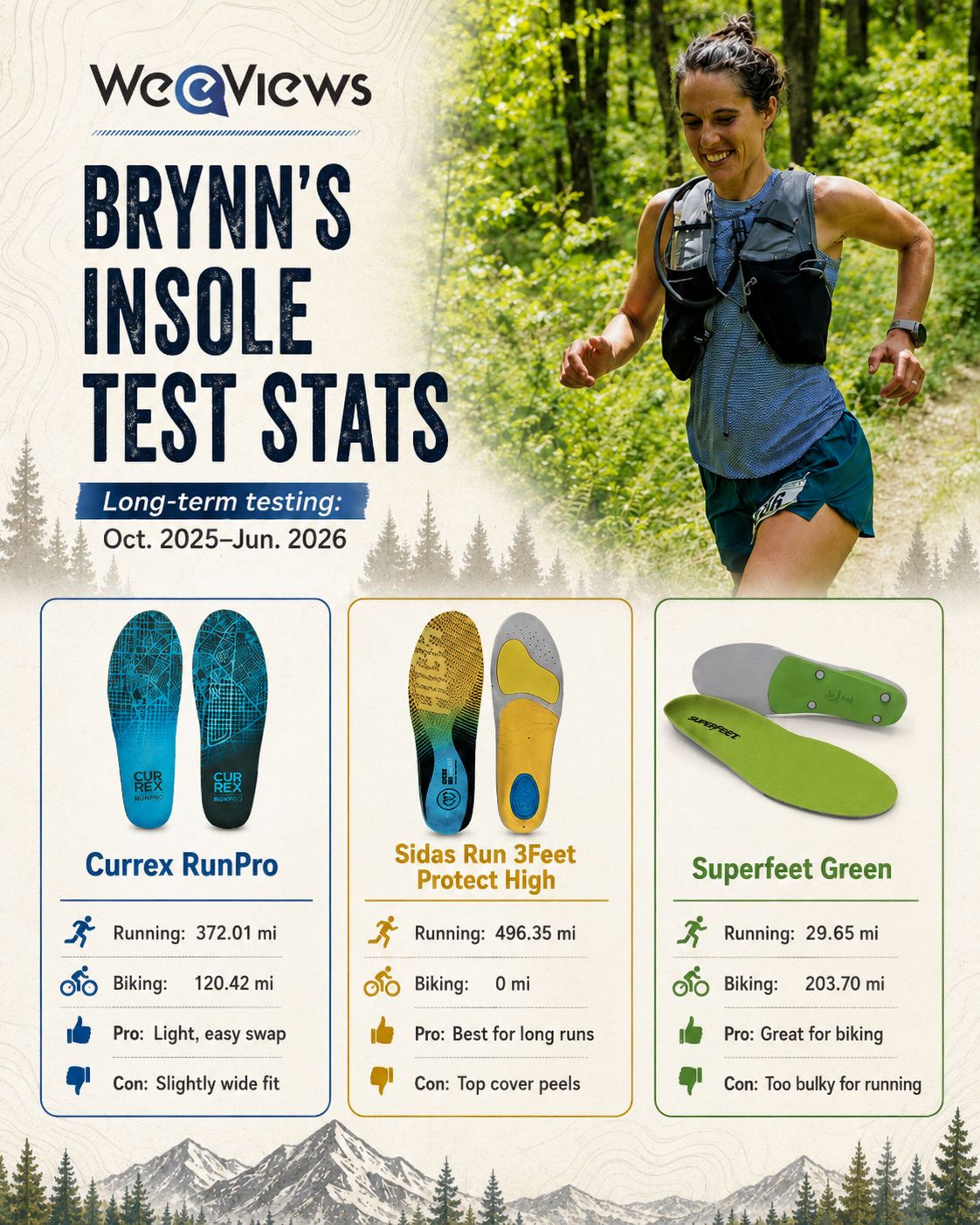
So she tested three popular high-arch insoles—Currex RunPro, Sidas Run 3Feet Protect High, and Superfeet Green All-Purpose Support High Arch—across more than 1,200 miles of running, biking, and daily wear.
Get a sense of each of these insoles using the comparison table below.
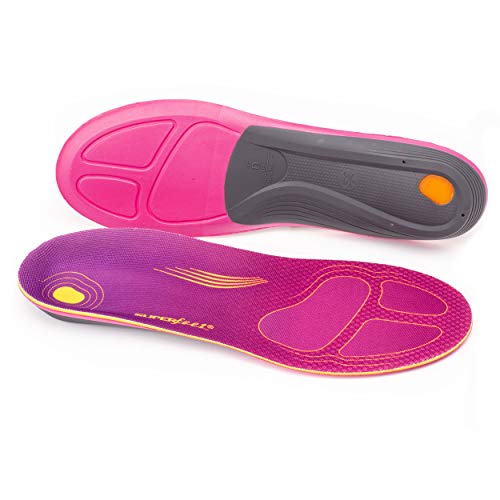
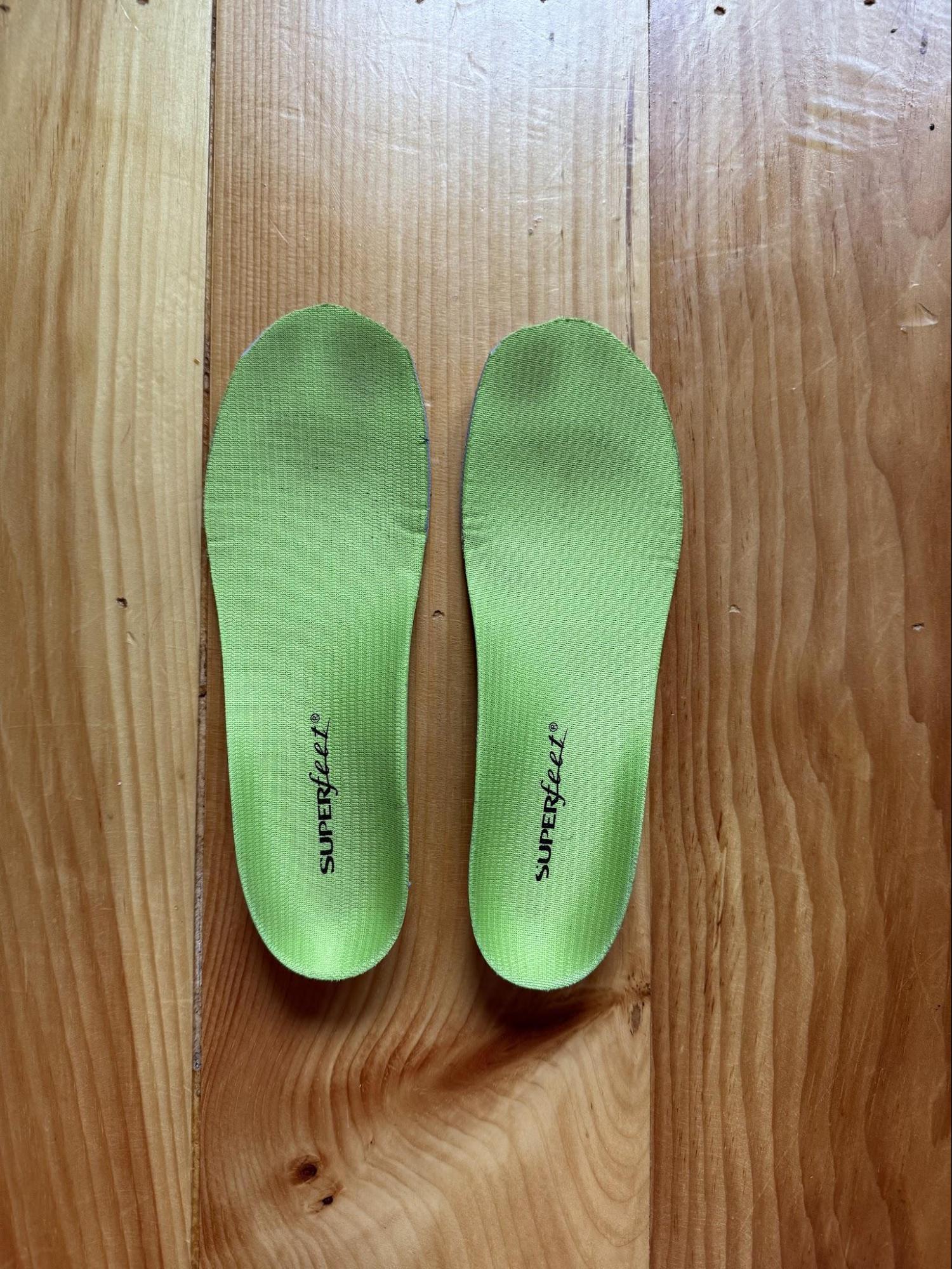
A firm, high-volume support insole designed for high arches and roomier shoes. Brynn found it durable and supportive, but bulkier and harder to break in for running, making it a better fit for biking shoes, casual shoes, and daily wear.
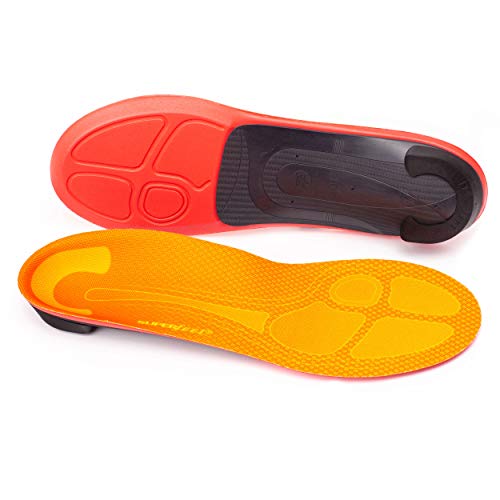
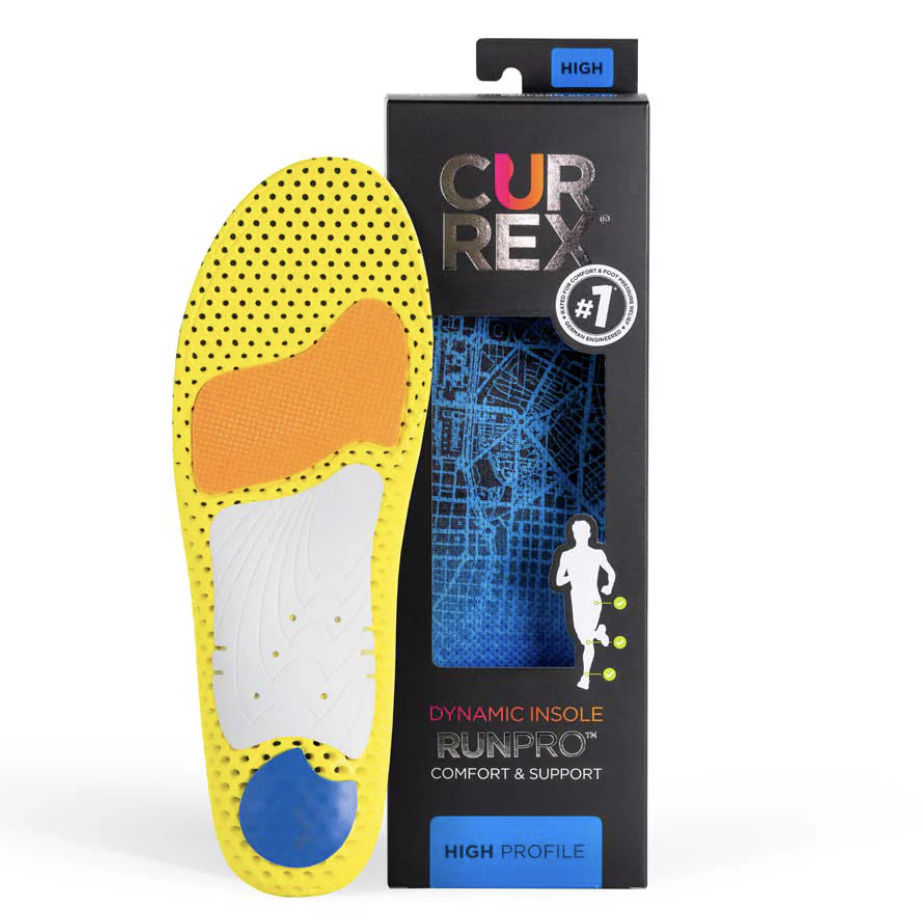
A lightweight running insole with dynamic arch support, targeted cushioning, and a natural feel that worked well across Brynn’s shoe rotation. It added support for her high arches without a major break-in period and helped create a more secure midfoot fit.
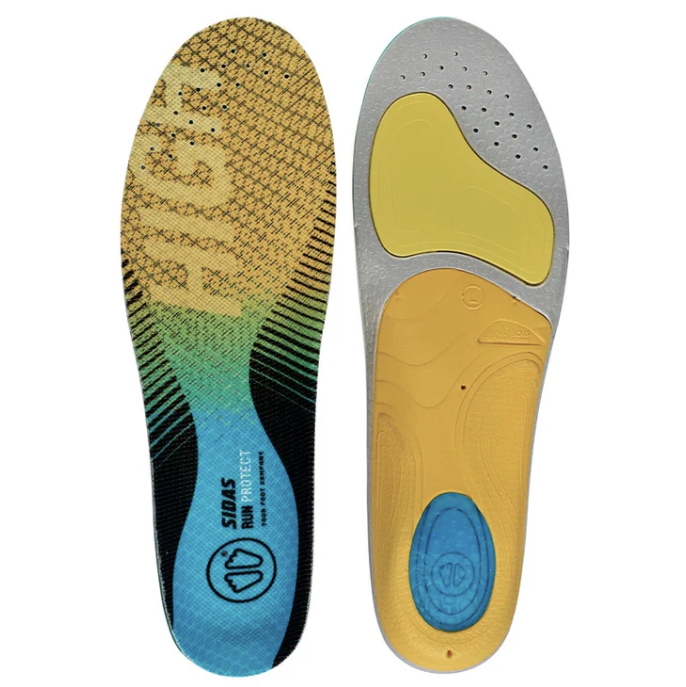
A high-arch running insole built for comfort, protection, and shock absorption. Brynn found it supportive, easy to adapt to, and especially reliable for long runs and trail miles, with a gel heel and firm arch support that worked well in her favorite trail shoes.
Number of runs in Superfeet: 7
Miles run: 29.65
Ascent: 3,671 feet
Descent: 3,519 feet
Number of rides in Superfeet: 17
Miles biked: 203.7
Ascent: 18,564 feet
Descent: 18,170 feet
Superfeet Pros:
Superfeet Cons:
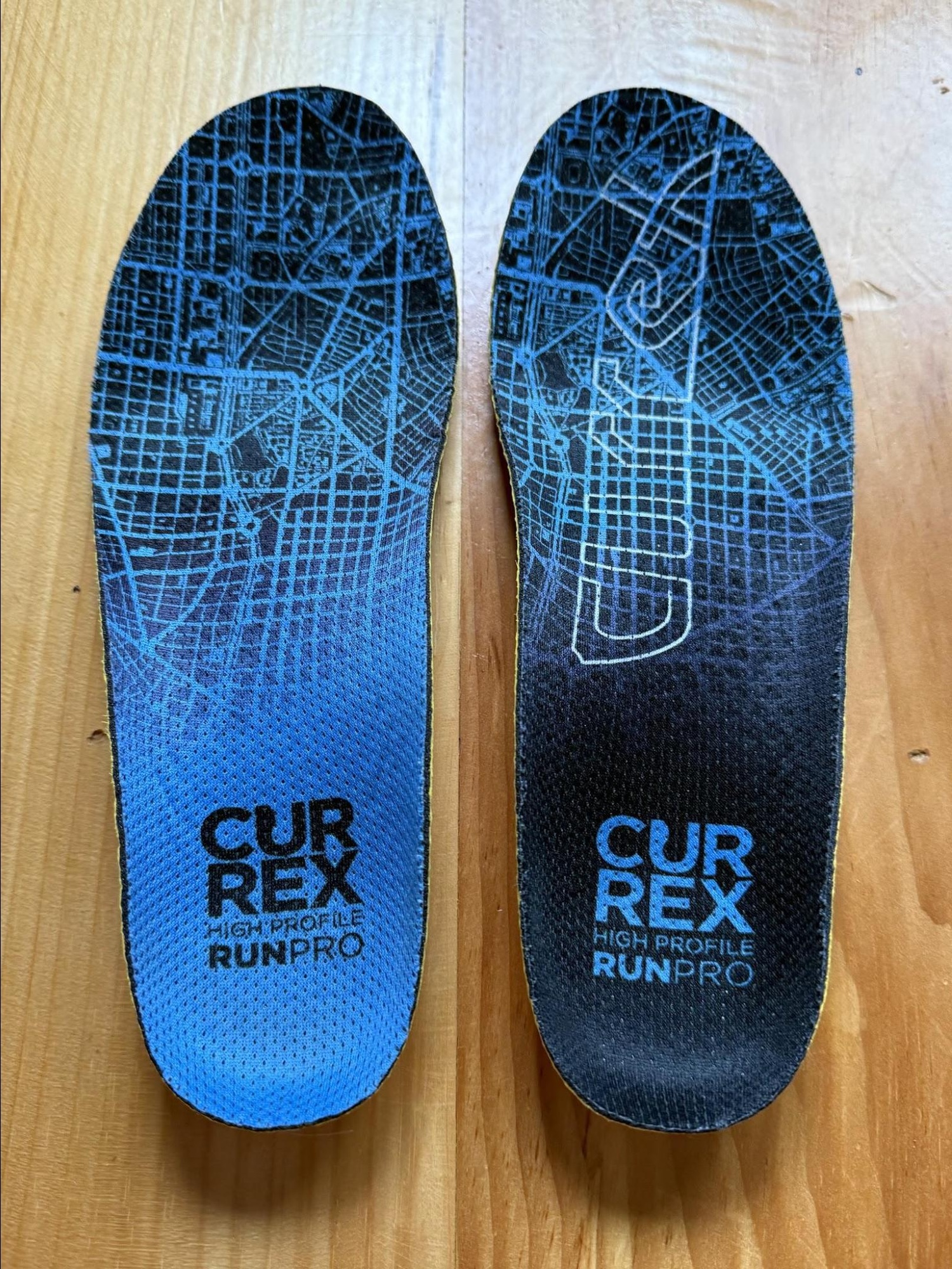
Number of runs in Currex: 60
Miles run: 372.01
Ascent: 53,970 feet
Descent: 52,785 feet
Number of rides in Currex: 12
Miles biked: 120.42
Ascent: 15,444 feet
Descent: 15,200 feet
Currex Pros:
They fill in most of my shoes that often feel too voluminous around the midfoot, making for a more secure fit.

Currex Cons:
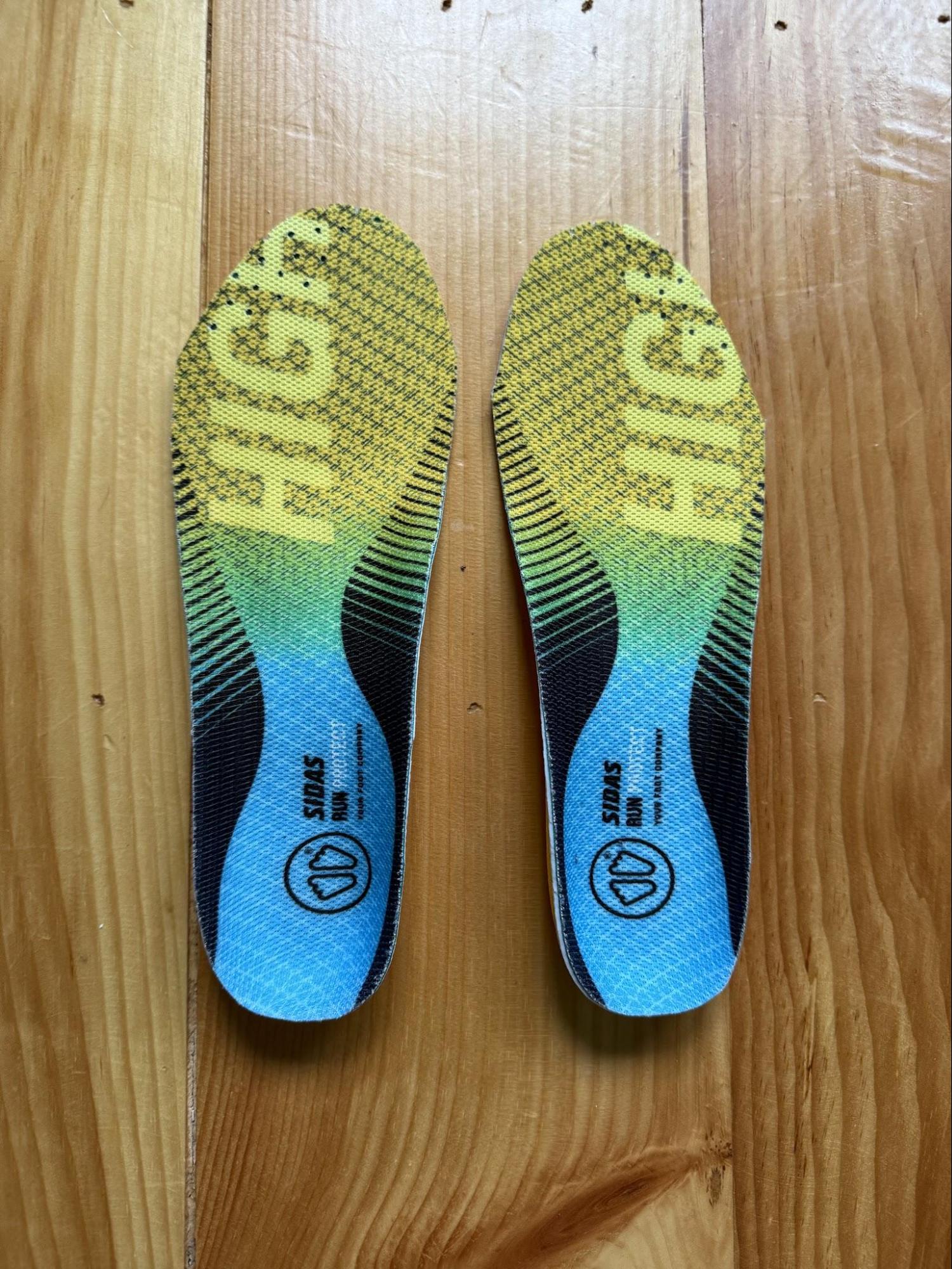
Number of runs in Sidas: 58
Miles run: 496.35
Ascent: 84,420 feet
Descent: 73,450 feet
Sidas Pros:
Sidas Cons:
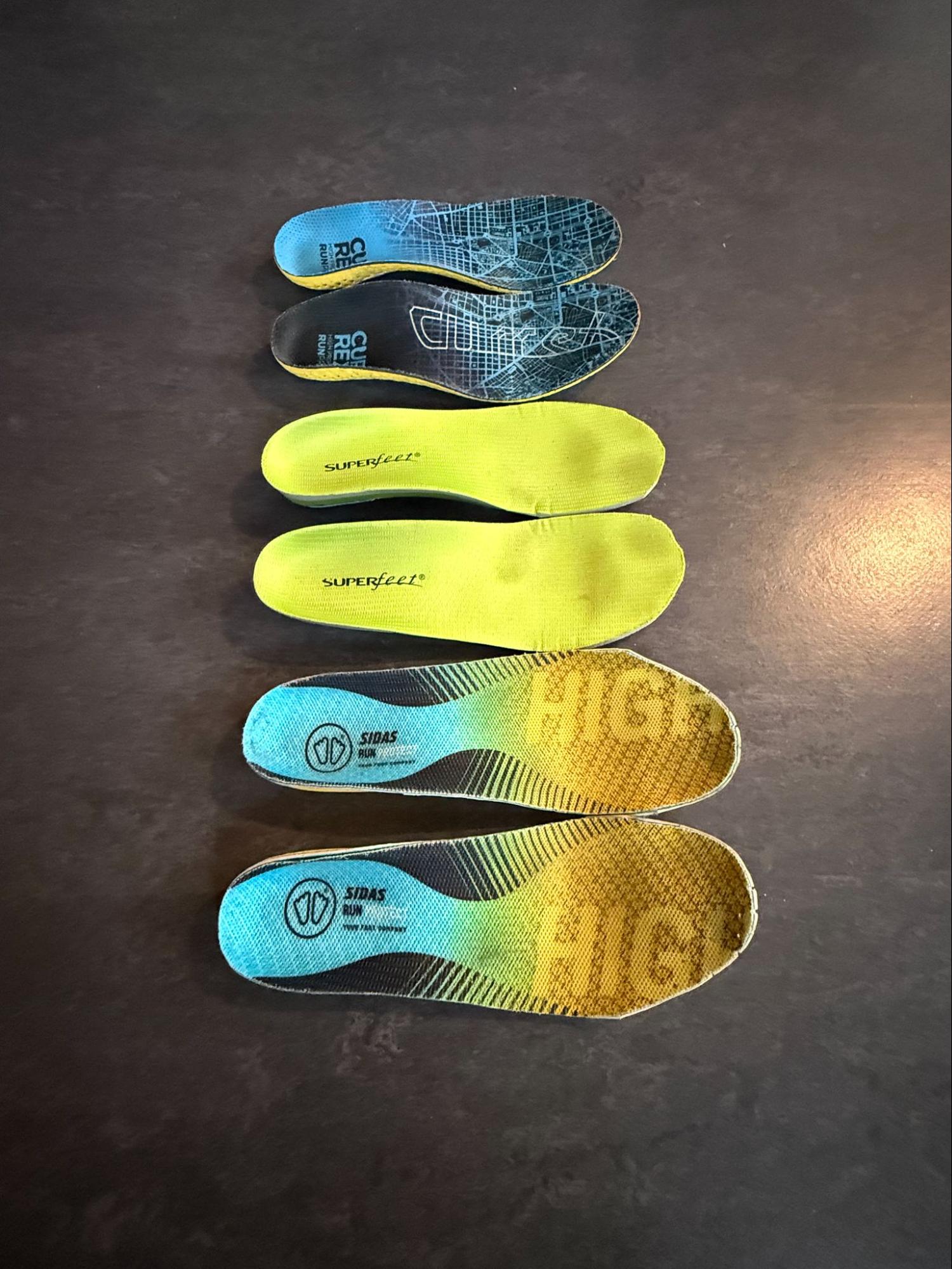
My feet are less tired and sore since regularly wearing insoles. The firm support paired with cushioning suits my average of 40-50 miles per week during peak race training and 20-40 weekly miles during non-training periods. I used to get some pain and tightness in the left arch, but that has disappeared completely since wearing insoles. As for the bone bruise in the right foot that led me to wearing insoles- that, too, has healed.
As for the Superfeet insoles prescribed by the podiatrist, they will remain in my biking shoes. They enhance the power I’m able to put into the pedals because of their stiffness. Any cyclist knows that the stiffer the shoes, the better the power output and more protected the feet.
During the testing period of October 2025 to June 2026, I found that the North Face Vectiv Enduris 4 had a high enough arch support and stiffness to not require insoles. With that said, here are the totals for activity without insoles:
Miles run, biked and backcountry skied* with factory insoles: 155.49
Ascent: 23,073 feet
Descent: 21,441 feet
At times, I put the Superfeet in casual shoes for things like errands and daily life, and the support is refreshing.
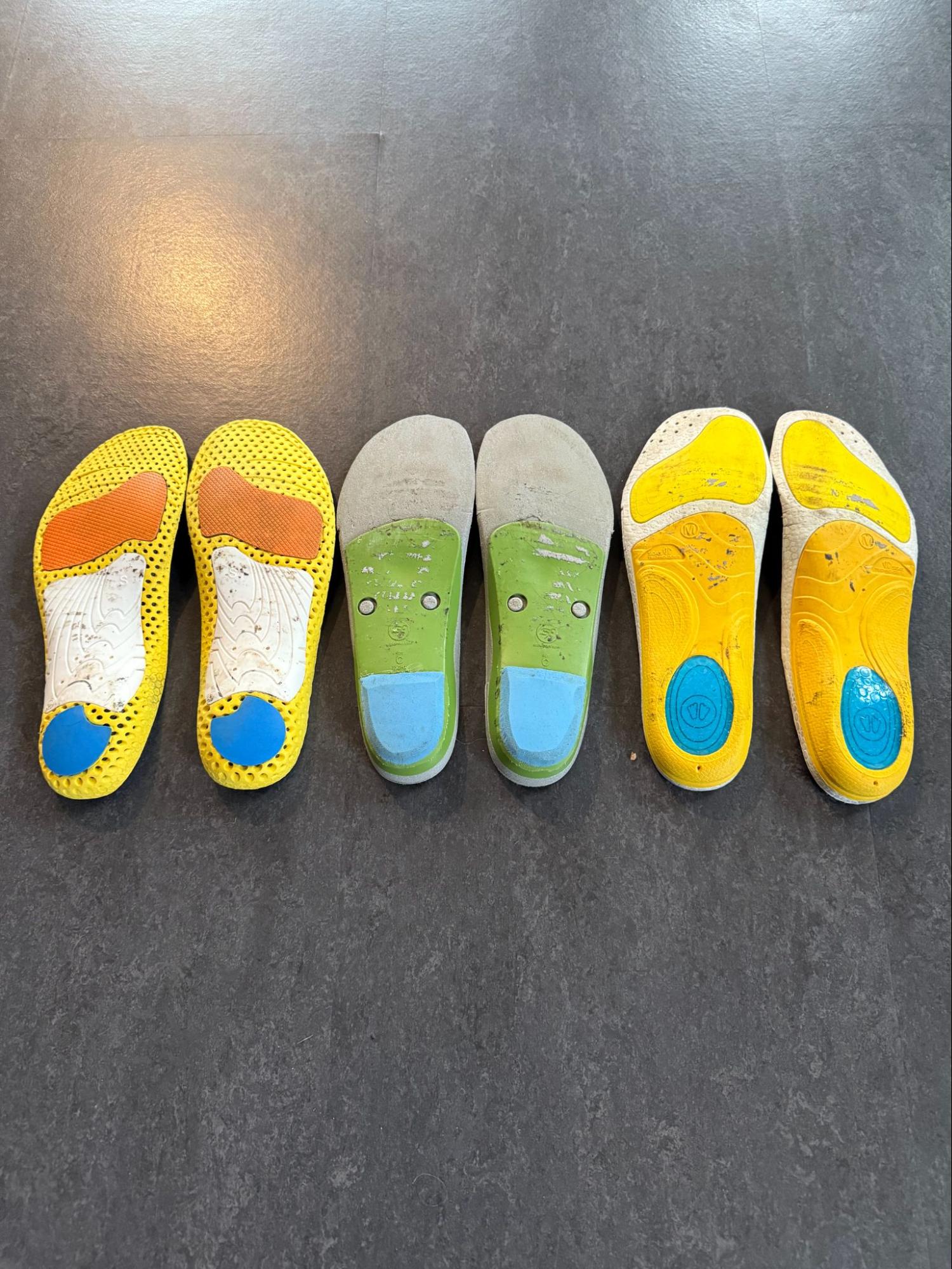
At almost 500 miles on both the Sidas and Currex insoles, I don’t feel any hint of needing to replace them. I am curious when I will notice, and what that will feel like.
For anyone not satisfied with factory insoles, I recommend both Sidas and Currex. Take each of their online foot quizzes to find out which insoles work best for your feet.
*I only added one backcountry ski session to these charts because it seemed almost irrelevant to include them all. However, I wanted to log that one session in order to talk about how the boots fit and my thoughts on insoles for them (i.e., I will probably get a set for next ski season).
Brynn’s insole test is one runner’s high-arch deep dive, but every foot, shoe rotation, and training load is a little different. Explore more real-world reviews from everyday runners to see how shoes, insoles, and running gear hold up beyond the first impression.

Login to your account to leave a comment.

Review gear you already use. Earn Star Points. Qualify to test free running shoes and gear.