Upload / Capture
Finding the perfect running shoe can feel overwhelming. With so many brands and models on the market, it’s easy to get lost in the options. Two brands that consistently stand out in the running community are HOKA and Brooks. Both are known for their quality, performance, and loyal followings—but how do they compare?
In this guide, we’ll break down the differences between HOKA and Brooks, covering everything from cushioning and stability to design and durability. Whether you’re a seasoned marathoner or just starting out, understanding these key differences can help you make the best choice for your running needs.
Walk into any running store, and you’ll likely see walls lined with HOKA and Brooks shoes. Both brands have built strong reputations, but they cater to different types of runners.
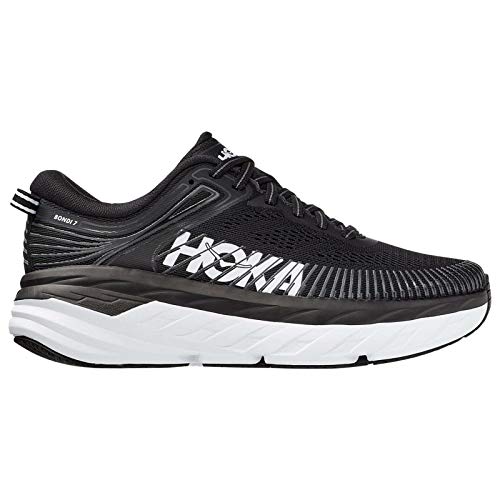
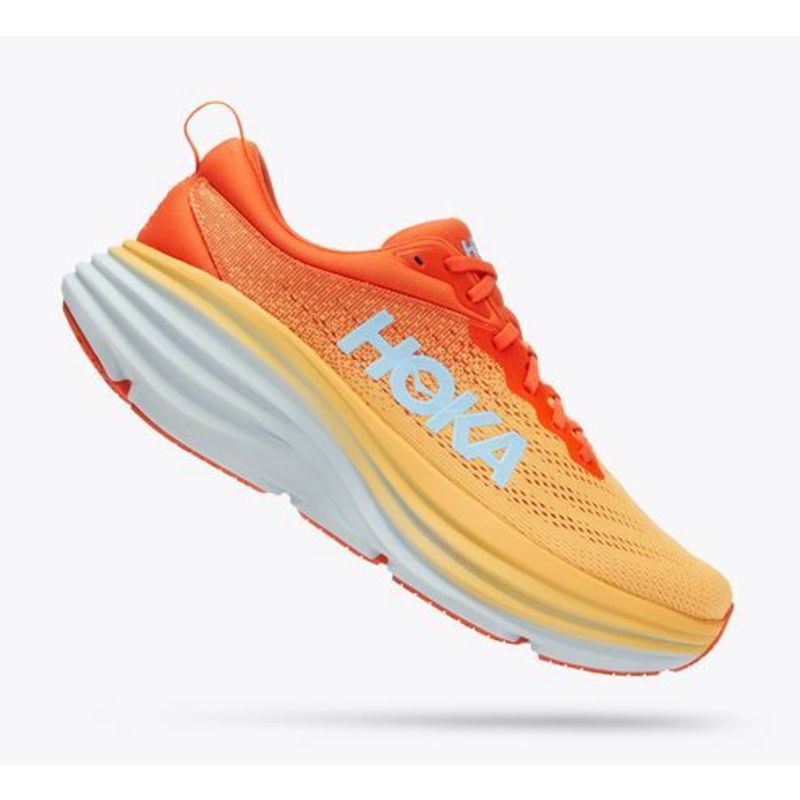
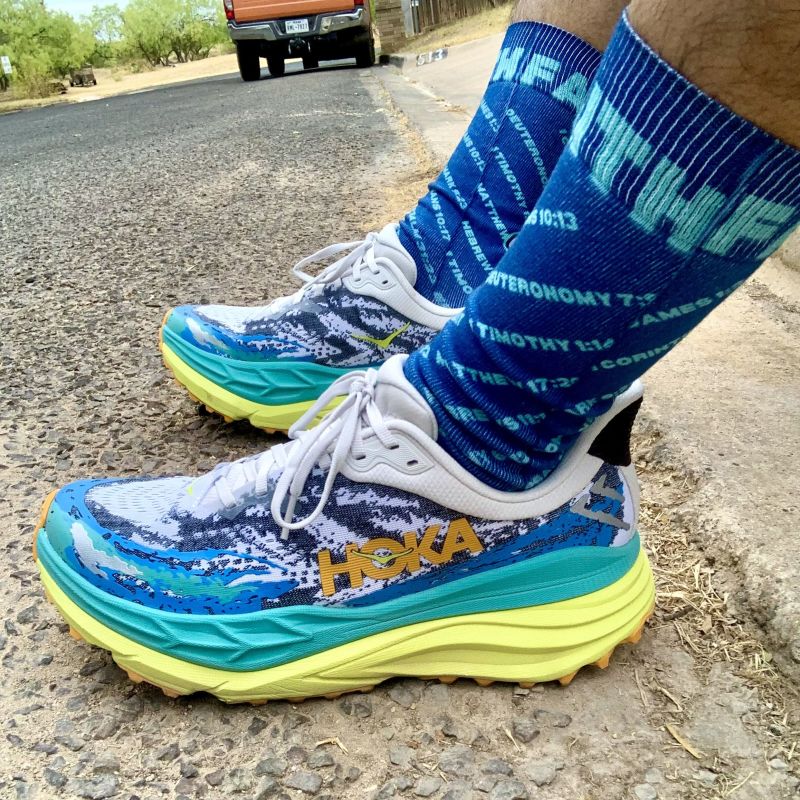
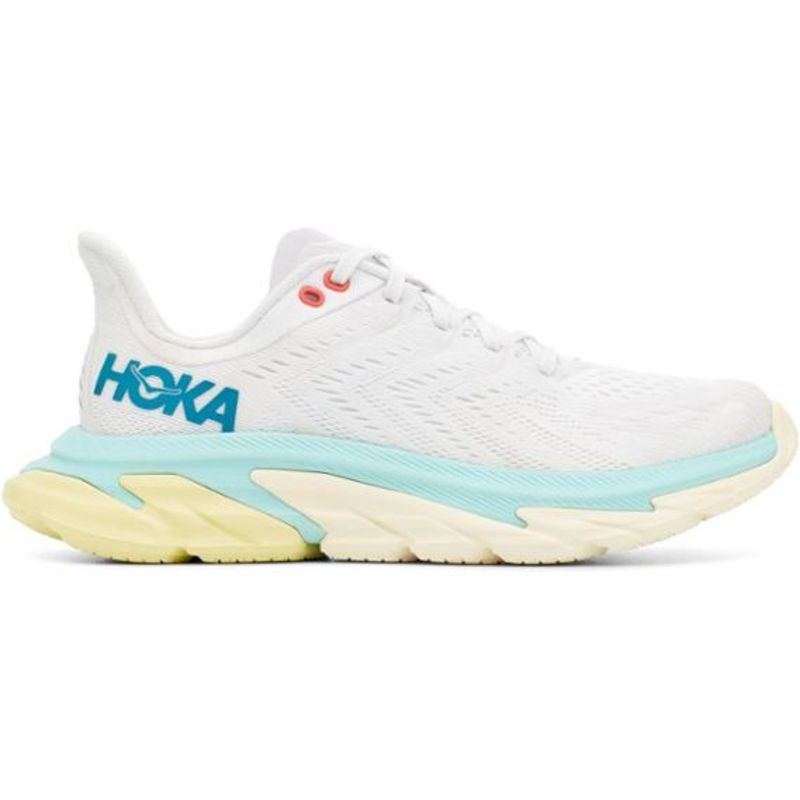
HOKA is best known for its plush, maximalist cushioning, designed to absorb impact and provide a smooth ride. Many long-distance runners swear by HOKAs for their comfort, especially when logging high mileage.
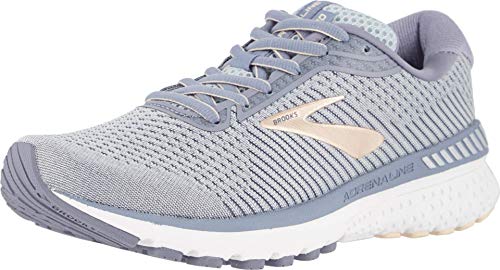
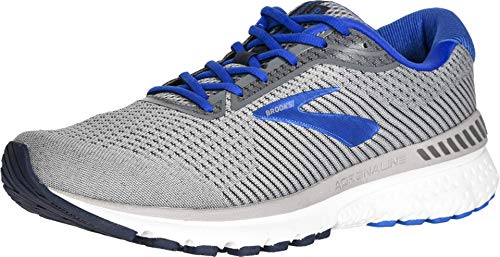
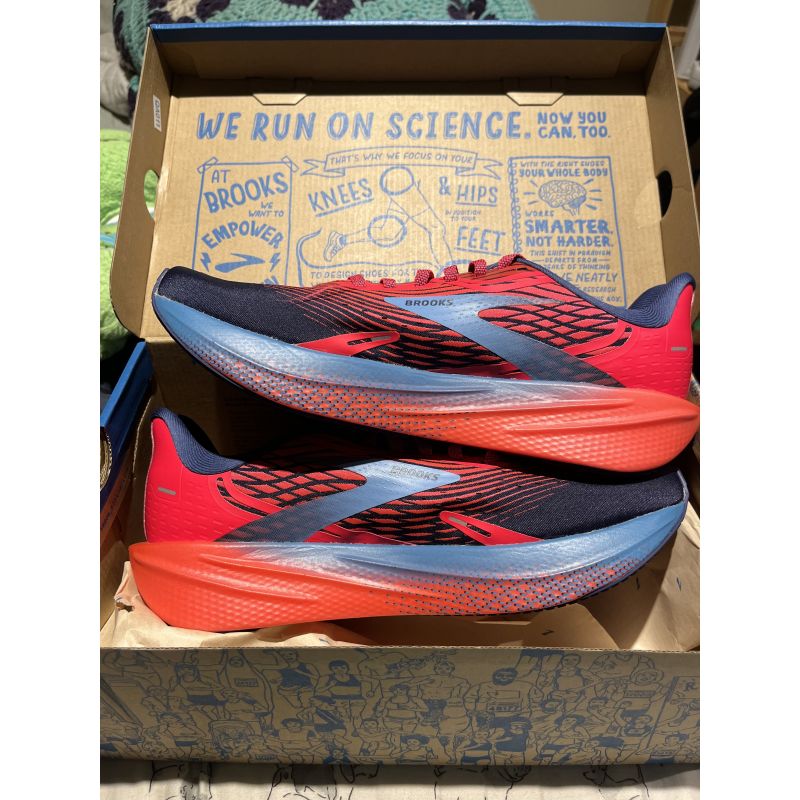
Brooks, on the other hand, has made a name for itself with its durable and stable designs. Runners who prioritize support and longevity often turn to Brooks, especially those who need extra control for overpronation.
At the end of the day, the best shoe for you depends on your running style, foot mechanics, and personal preferences. Let’s dive into the specifics to see how these two brands compare.
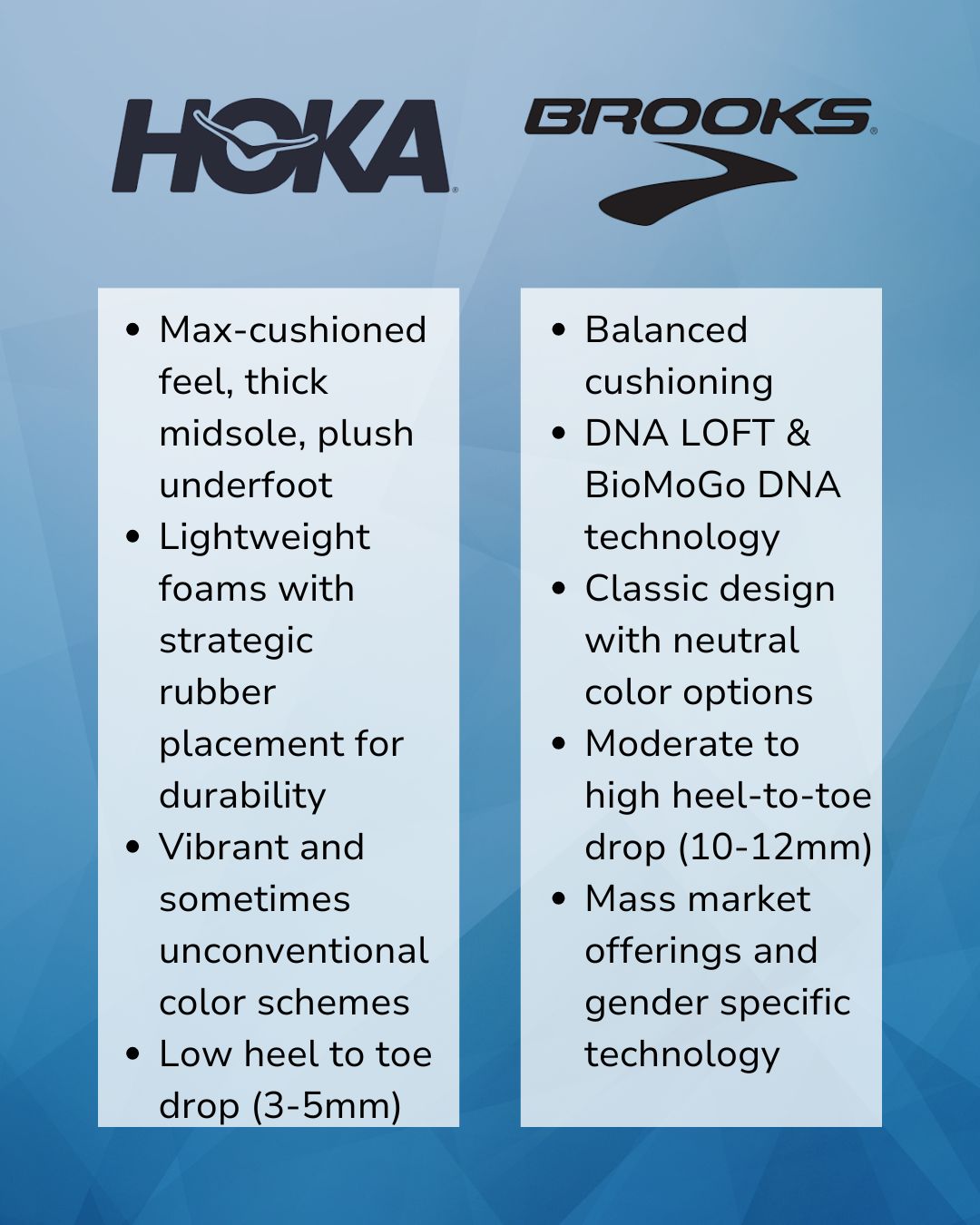
HOKA revolutionized the running shoe industry with its focus on cushioning and innovative design. Here are some of the standout features that make HOKA shoes unique:
Runners who prefer a plush, cushioned feel often gravitate toward HOKA, as the brand prioritizes comfort without sacrificing performance.
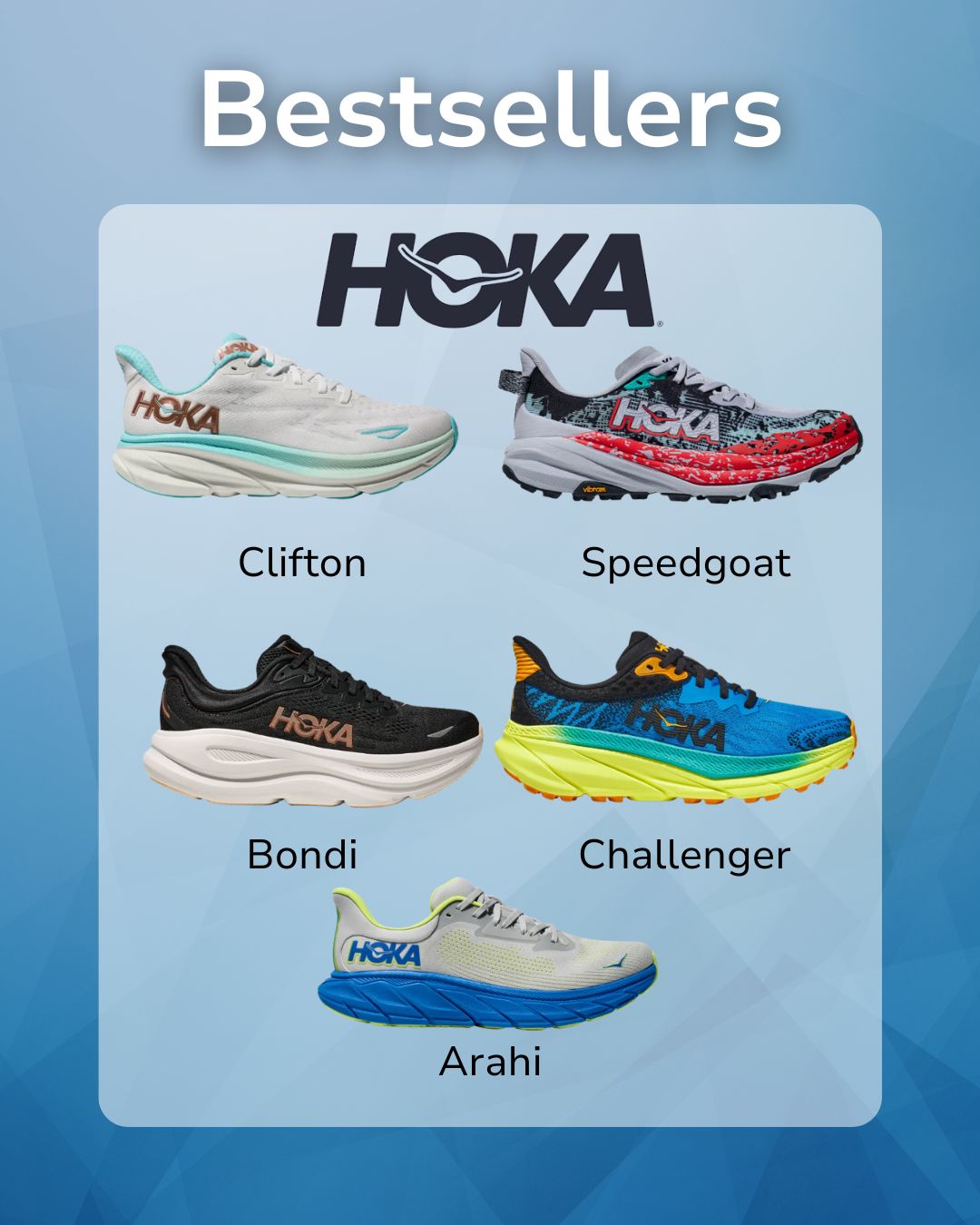
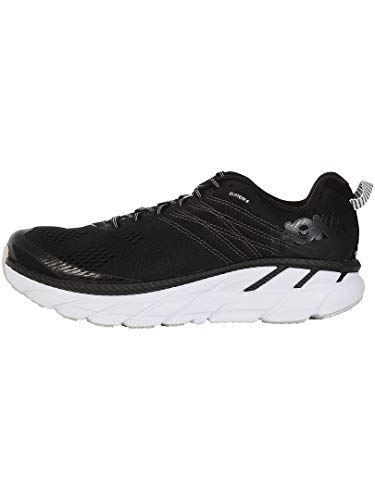
A balanced neutral daily trainer with compression-molded EVA, MetaRocker geometry and a more comfortable jacquard-knit upper. It favors smooth, predictable mileage over a highly energetic ride.
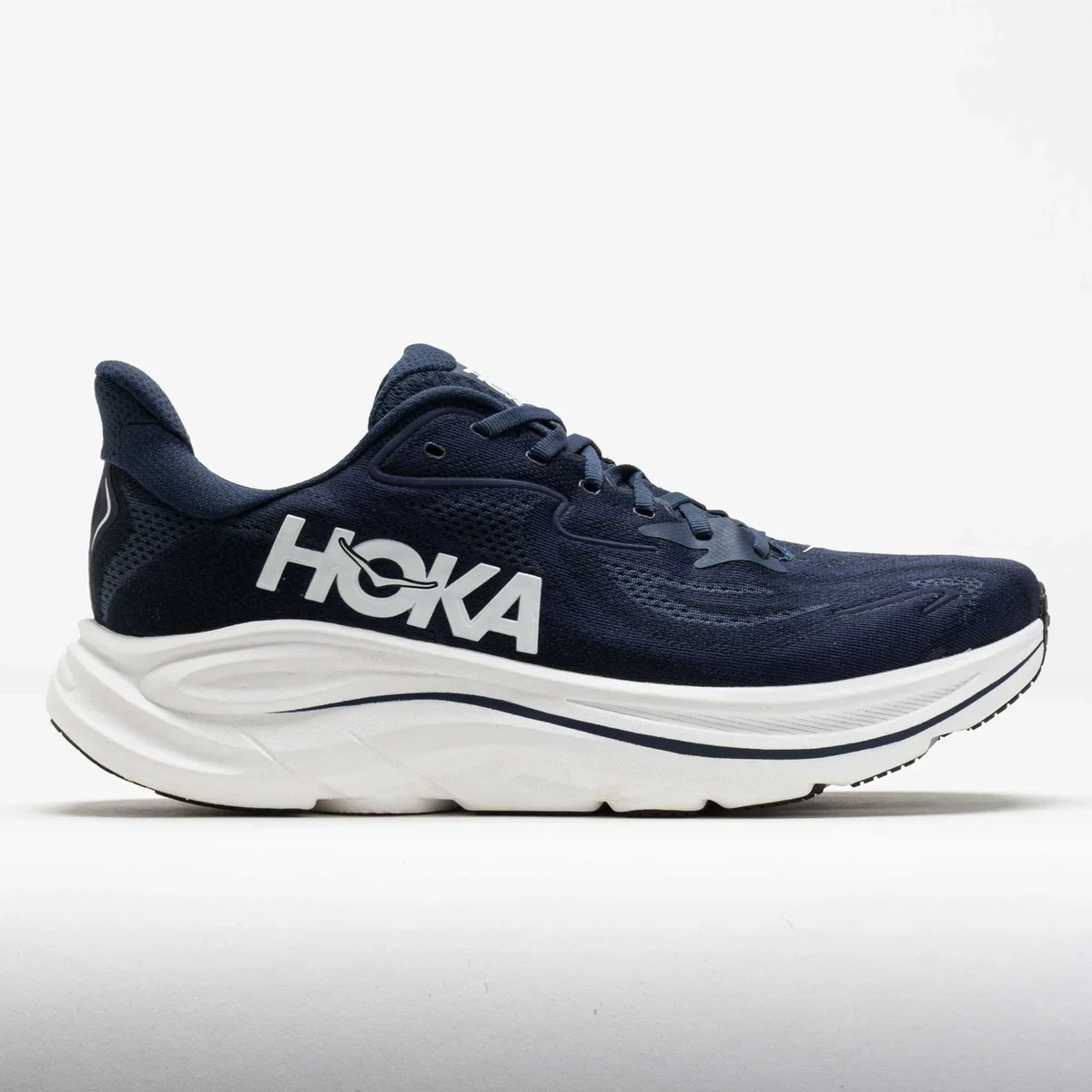
Max-cushioned EVA foam underfoot with a streamlined, plush profile for supremely soft landings. Designed for runners stacking high miles prioritizing recovery and comfort over firm responsiveness, or for those seeking comfort for a long day on their feet.
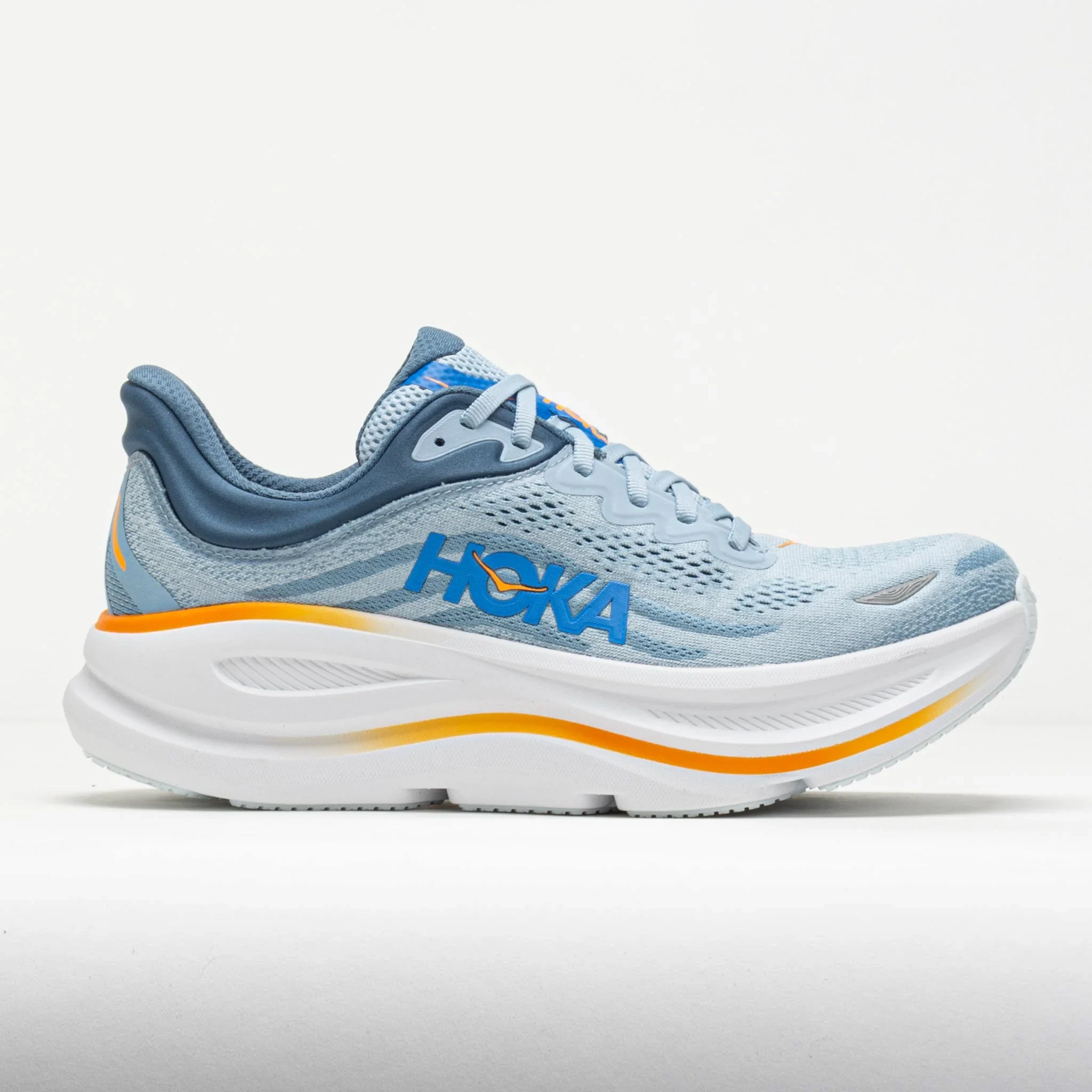
A stability daily trainer with H-Frame technology, a broad platform and unobtrusive guidance. It suits runners who want dependable support without the hard feel of a traditional medial post.
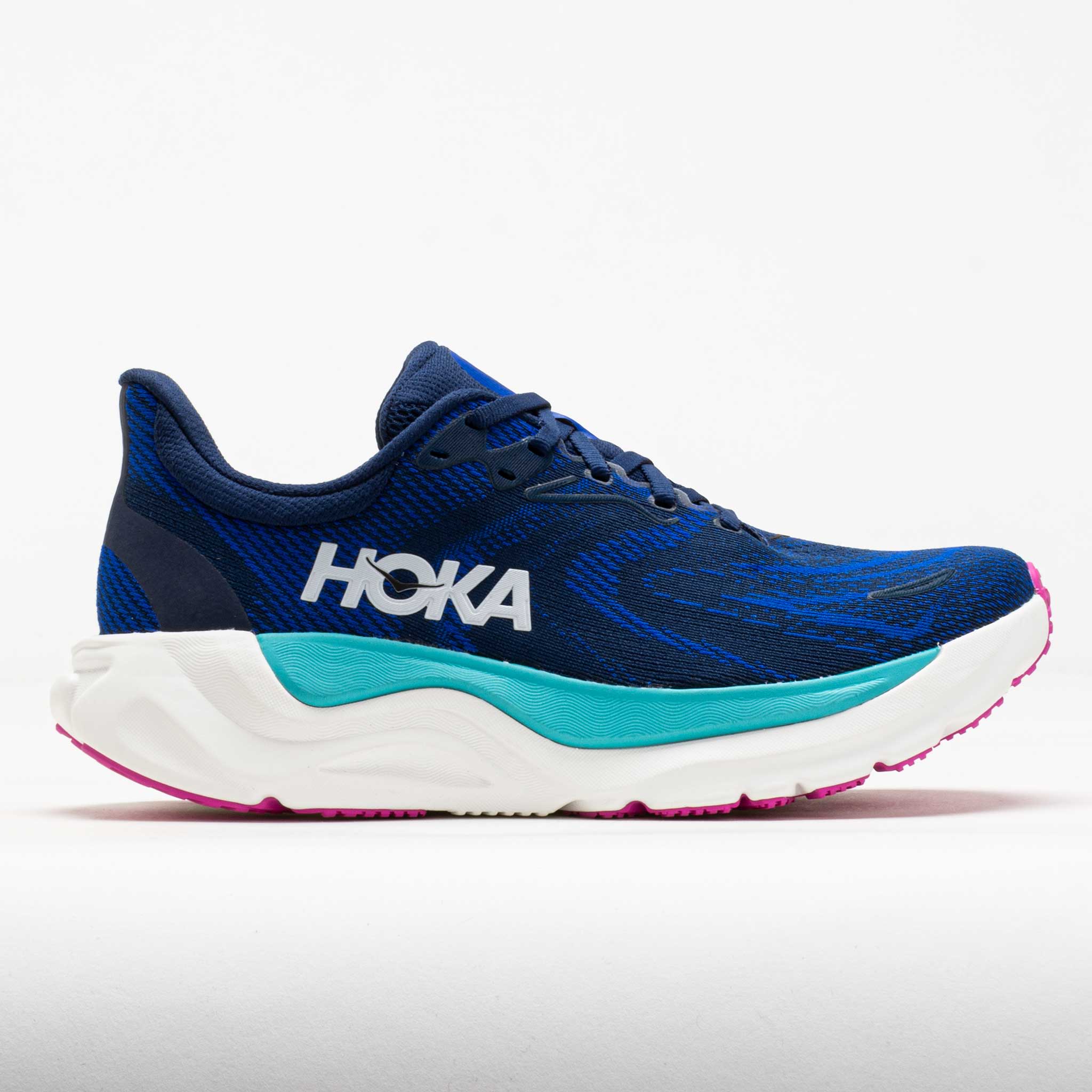
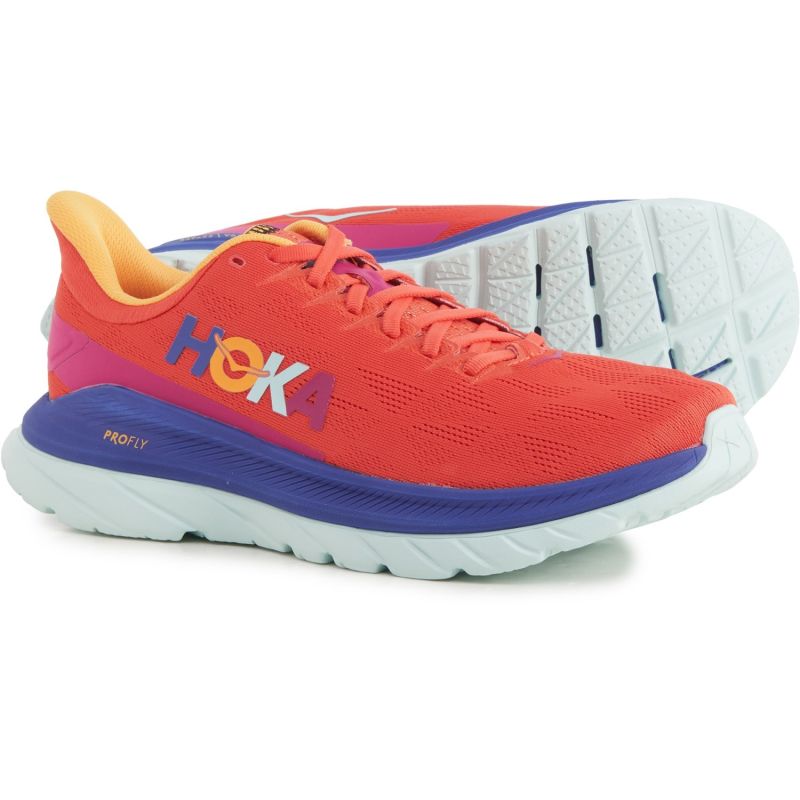
A responsive yet protective midsole with moderate stack and Trail TAC rubber outsole—built for light-to-moderate trail use and adaptable terrain. Great for those shifting seamlessly between road and trail runs.
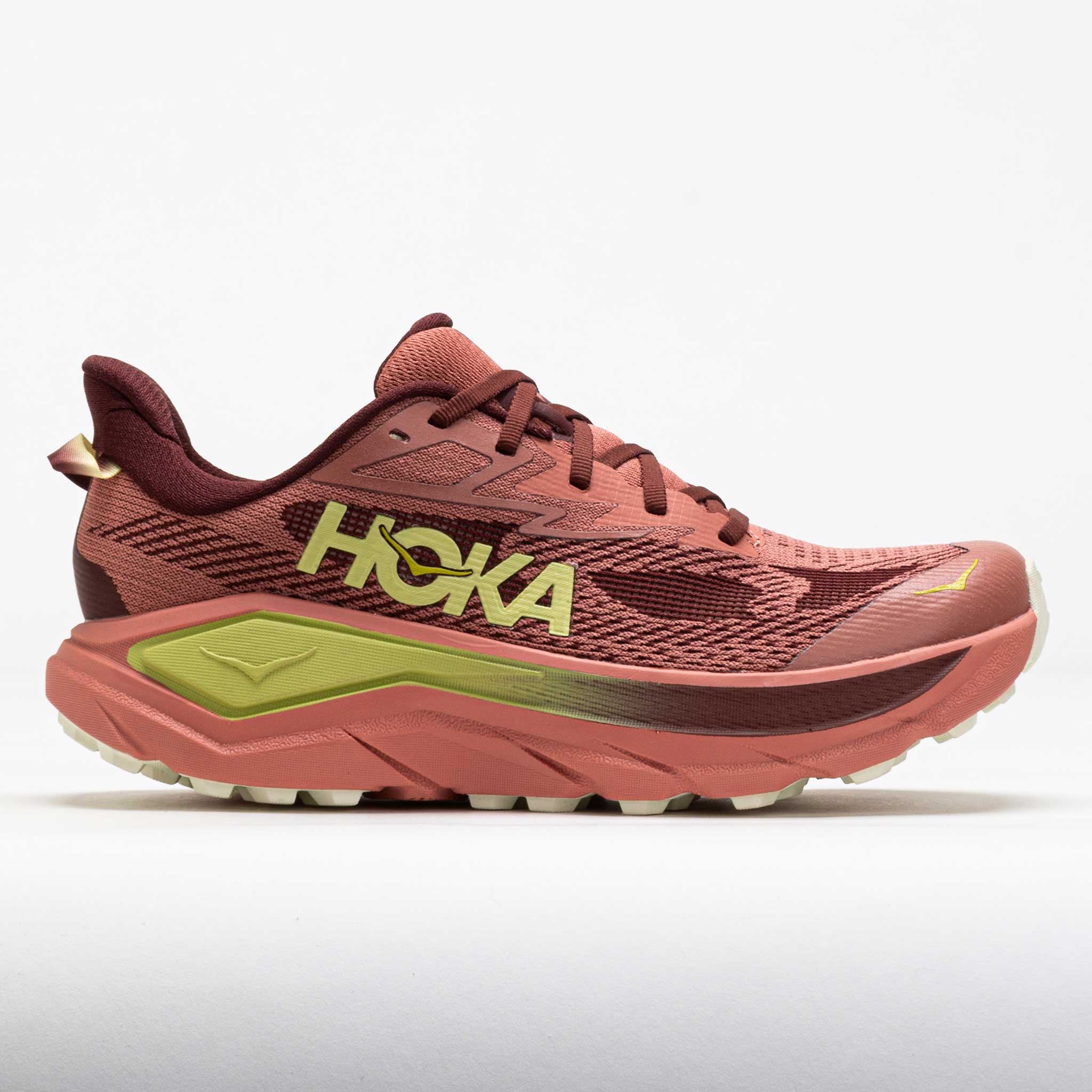
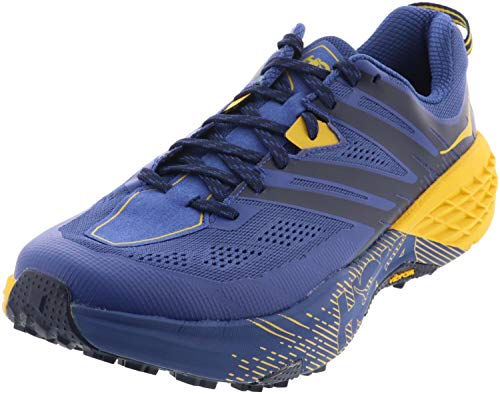
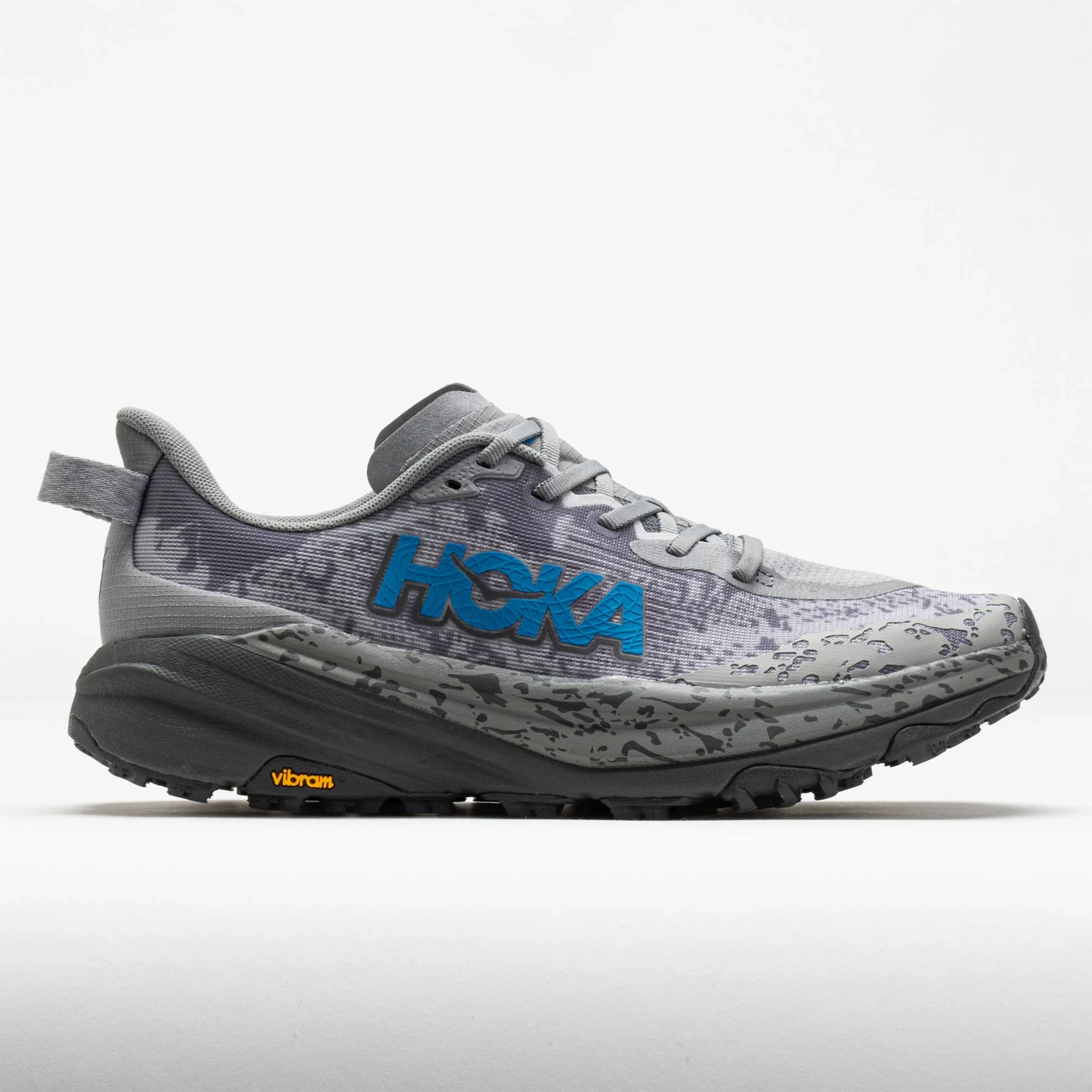
A versatile trail shoe with supercritical EVA and Vibram Megagrip. It is lighter and more responsive than the v6 while keeping secure fit and traction for long, technical trail days.
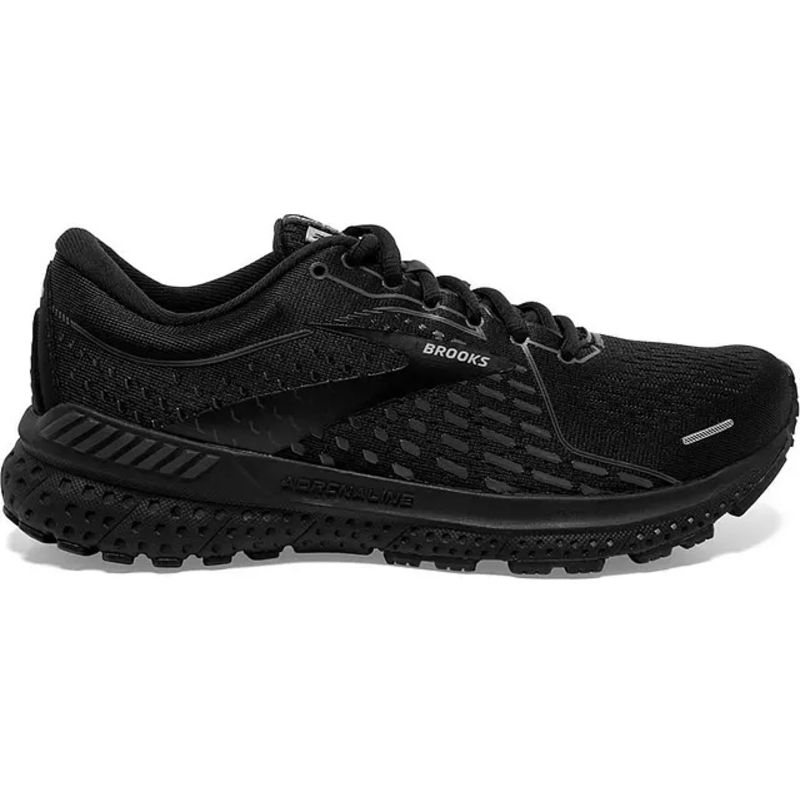
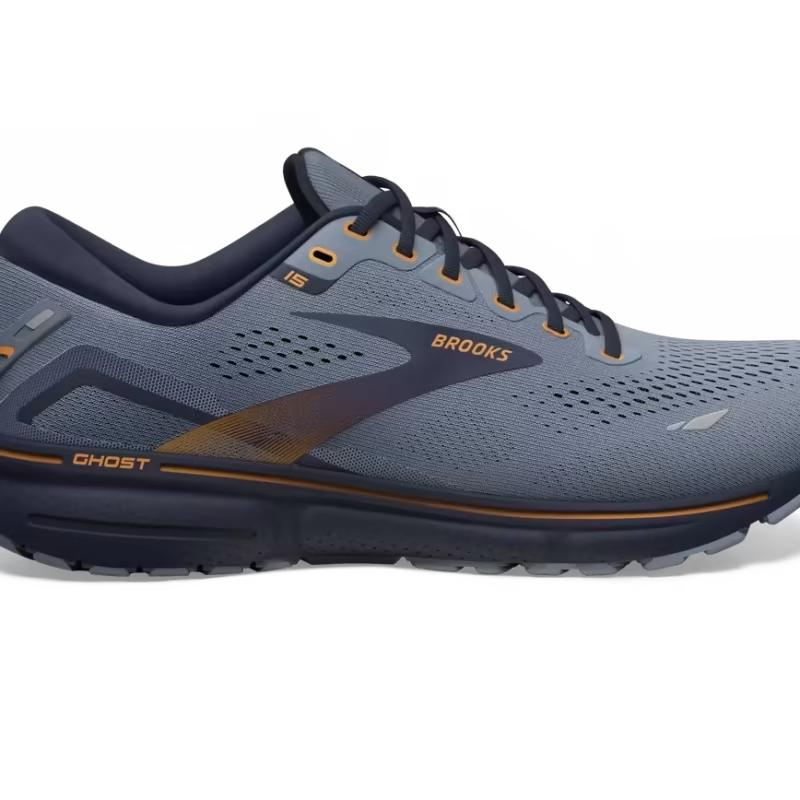
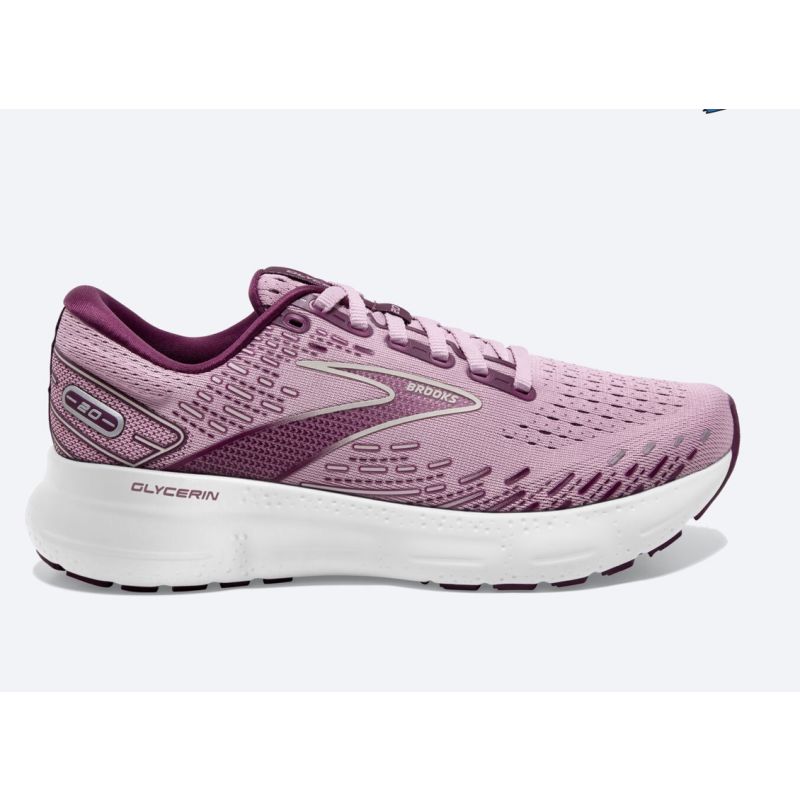
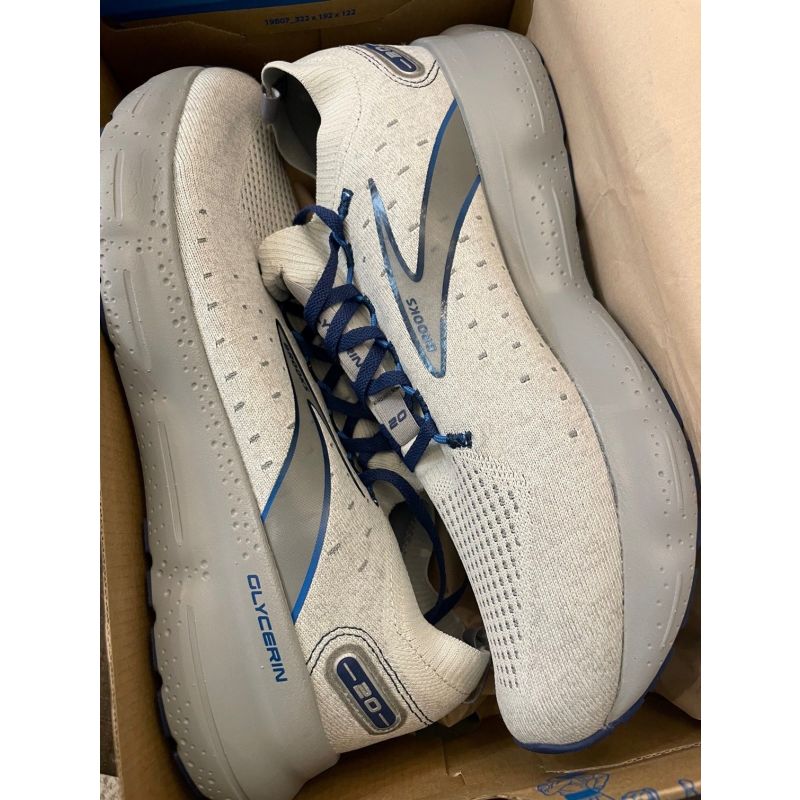
Brooks has built a reputation for creating reliable, high-quality running shoes. The brand’s attention to detail ensures a balanced combination of cushioning, stability, and durability. Here’s what sets Brooks apart:
If you’re looking for a well-balanced shoe that offers both comfort and longevity, Brooks is a solid choice.
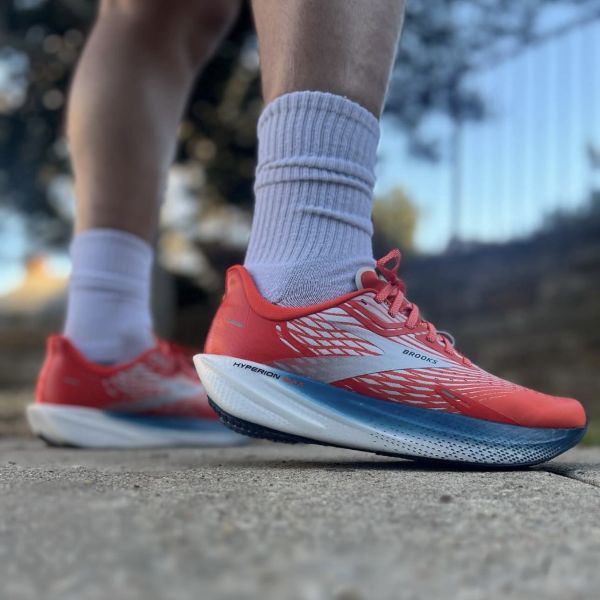
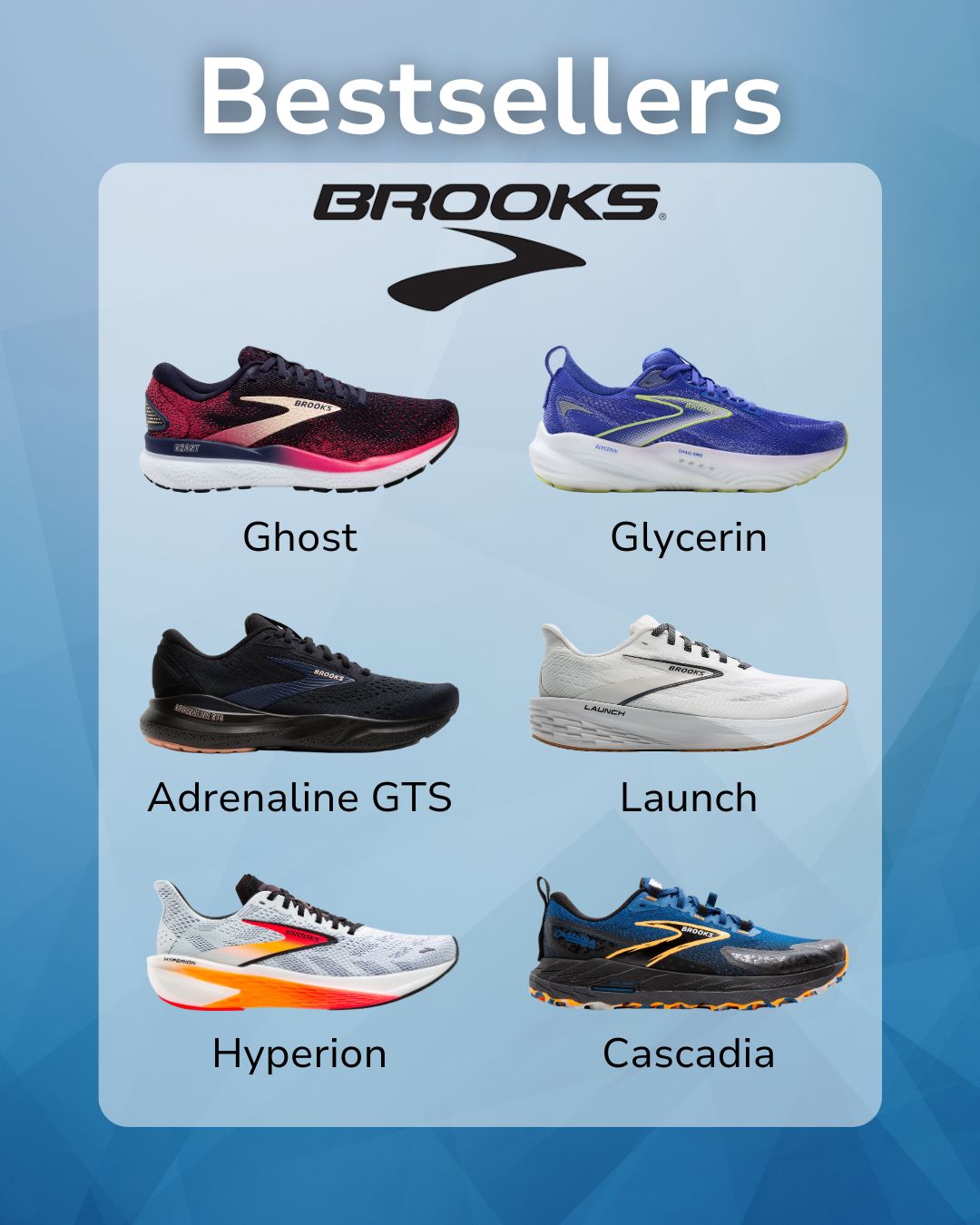
A dependable DNA LOFT v3 daily trainer with a familiar 10 mm drop and broad width availability.
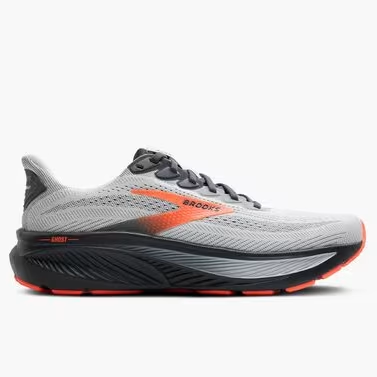
A firmer, affordable trainer that can cover daily mileage and faster sessions.
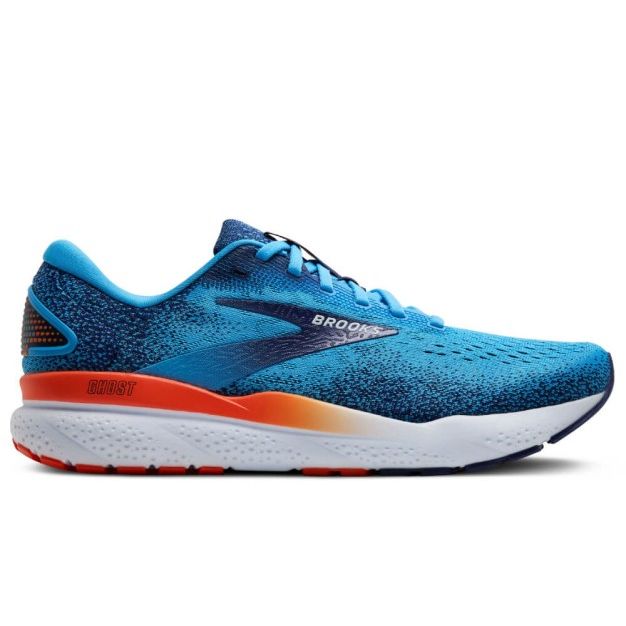
A plush premium trainer with smooth DNA TUNED cushioning and an accommodating upper.
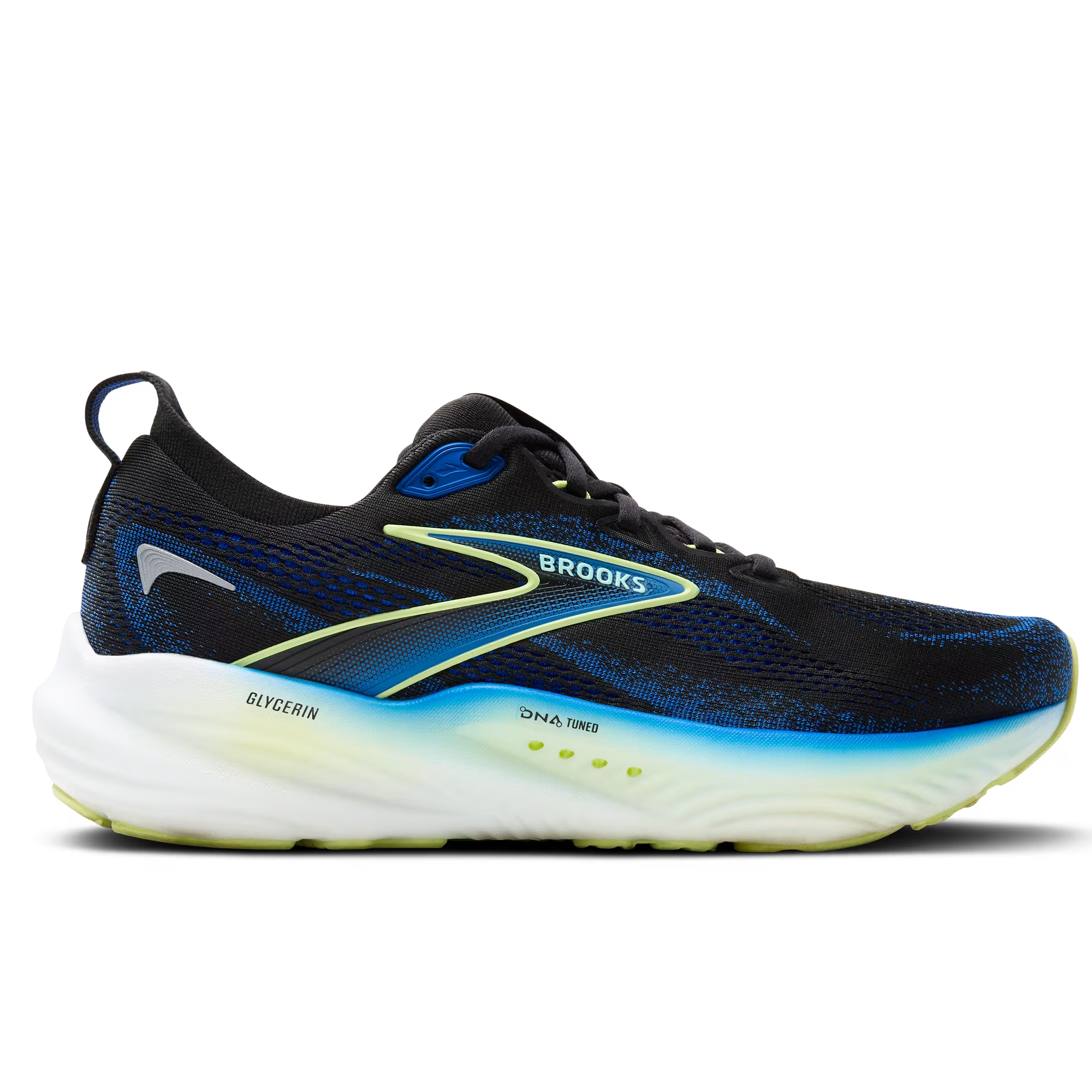
A structured daily trainer using GuideRails for familiar, dependable support.
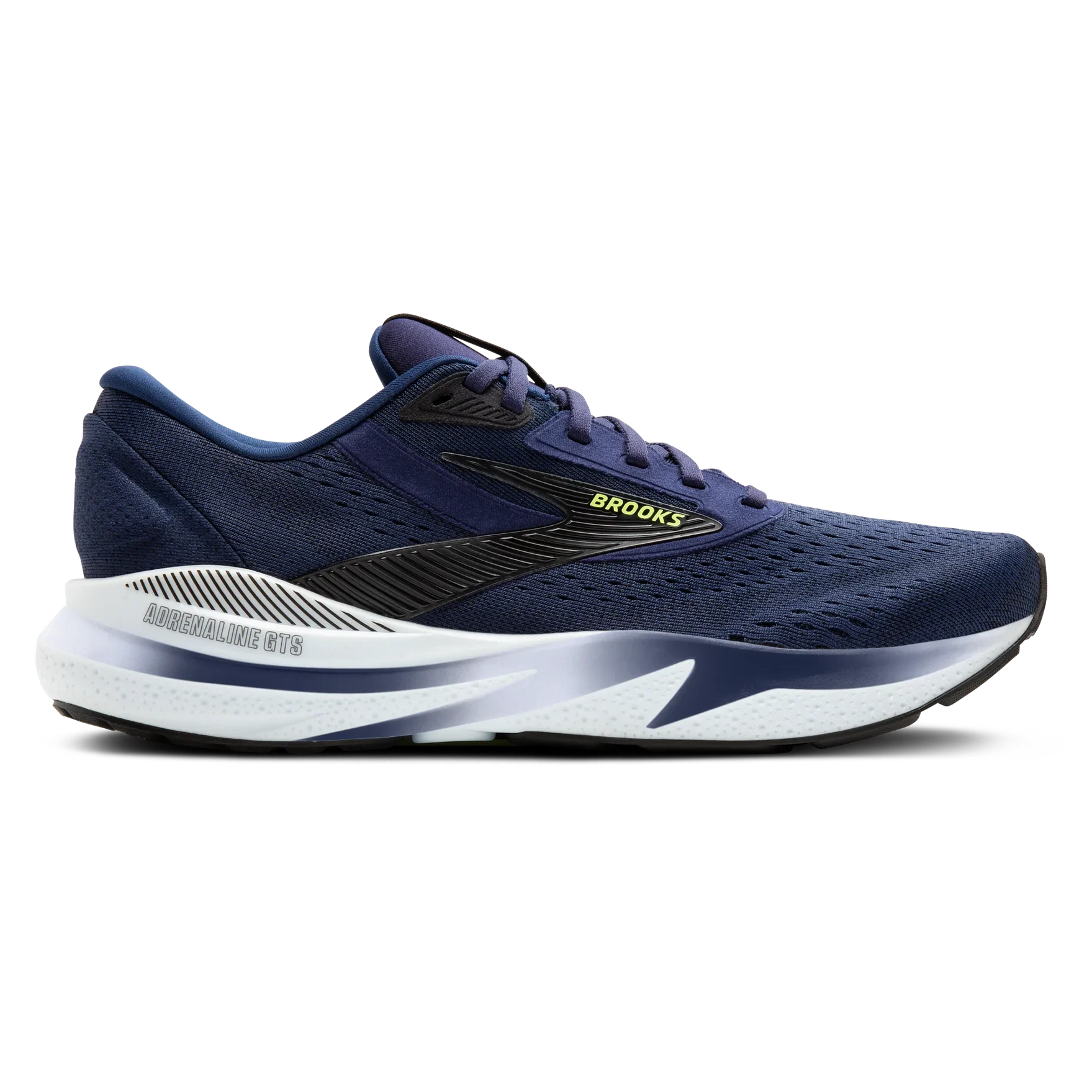
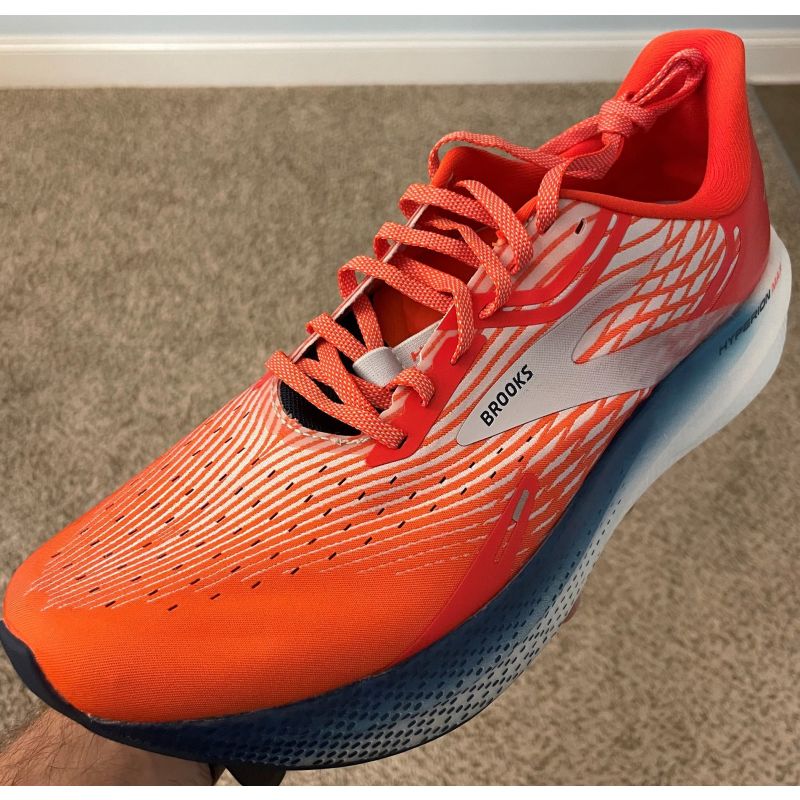
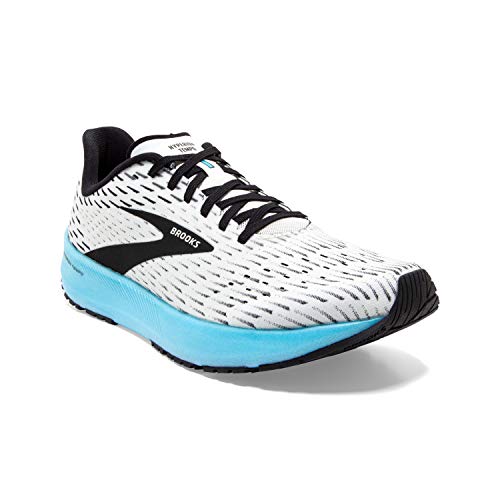
A direct, unplated tempo shoe with more cushioning than earlier Hyperions and a snug performance fit.
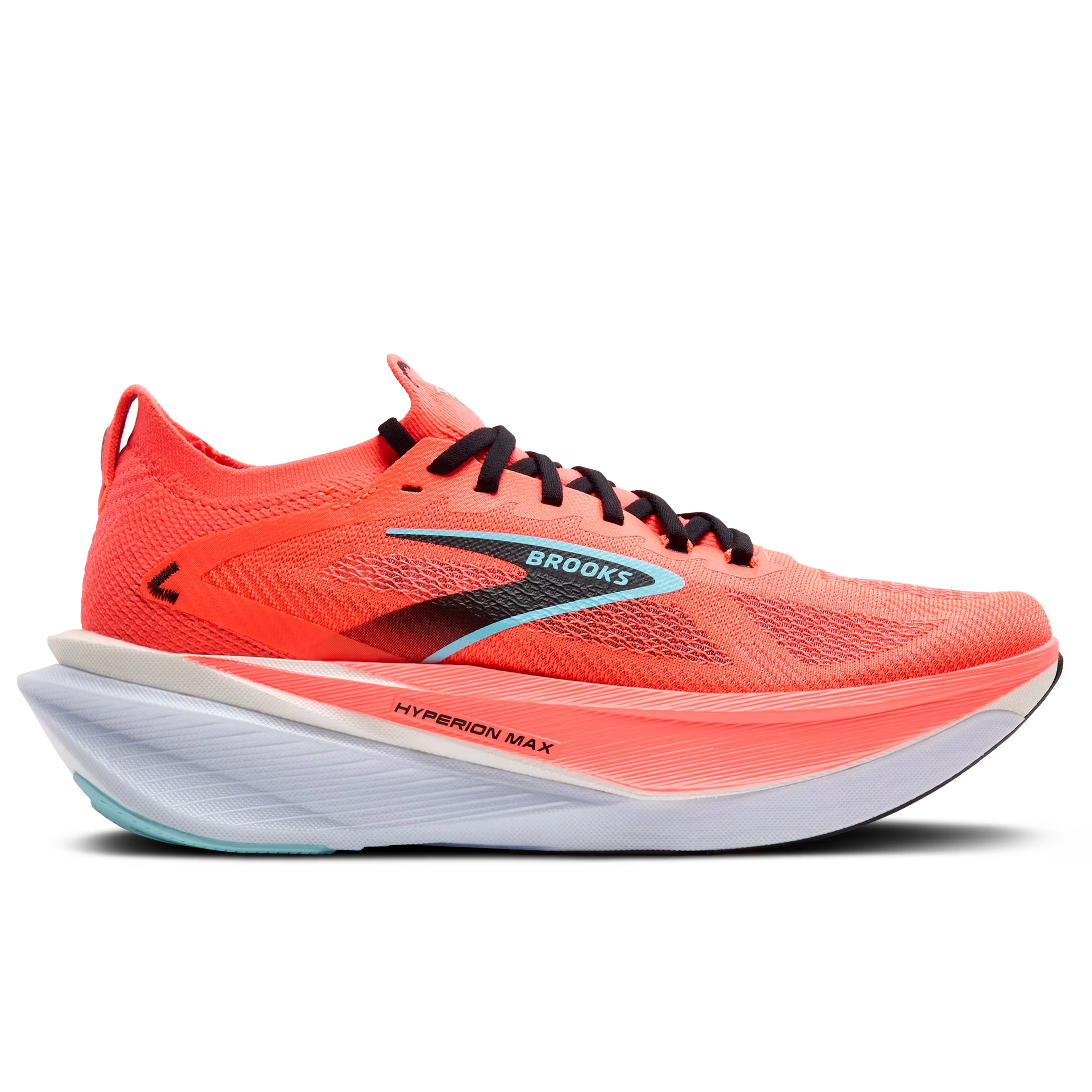
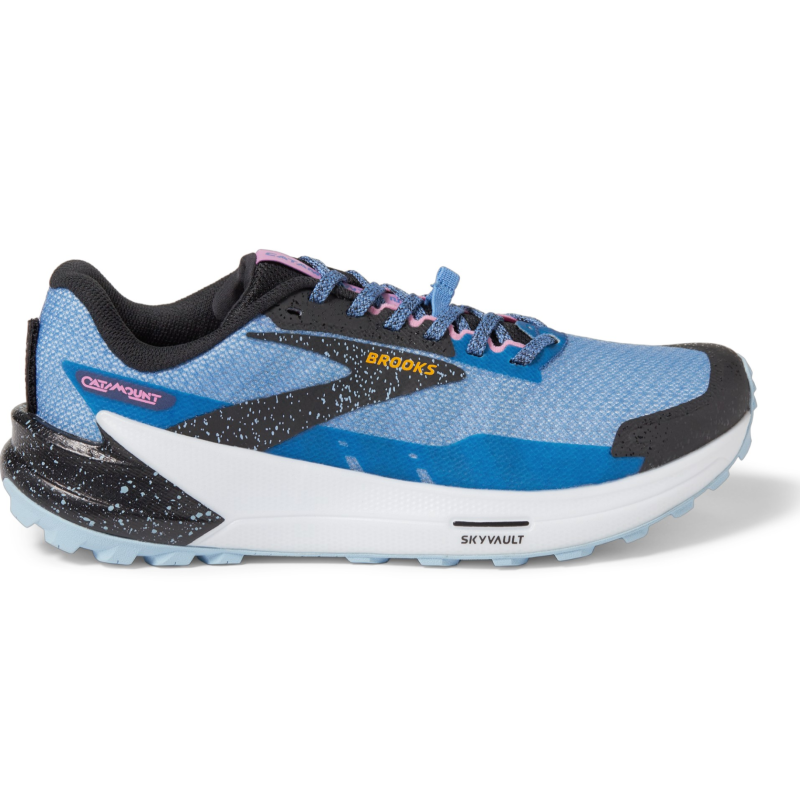
A protective trail shoe with DNA FLASH v2 cushioning and Vibram Megagrip for long, rugged runs.
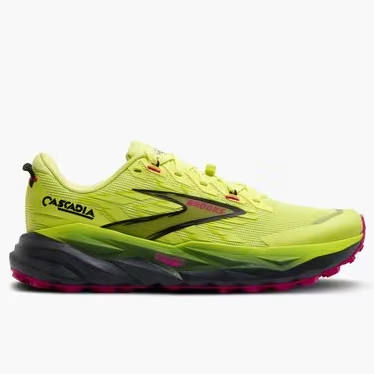
Cushioning is one of the biggest differences between these two brands. HOKA is famous for its ultra-soft, cloud-like midsoles, which offer exceptional shock absorption. This makes HOKAs particularly popular among marathoners and ultrarunners.
Brooks, meanwhile, takes a more balanced approach. Their cushioning provides a mix of softness and responsiveness, which can be ideal for runners who want comfort without feeling disconnected from the ground.
If you prioritize softness and impact absorption, HOKA might be your best bet. But if you prefer a shoe with cushioning that still feels responsive, Brooks is worth considering.
Models to Consider:
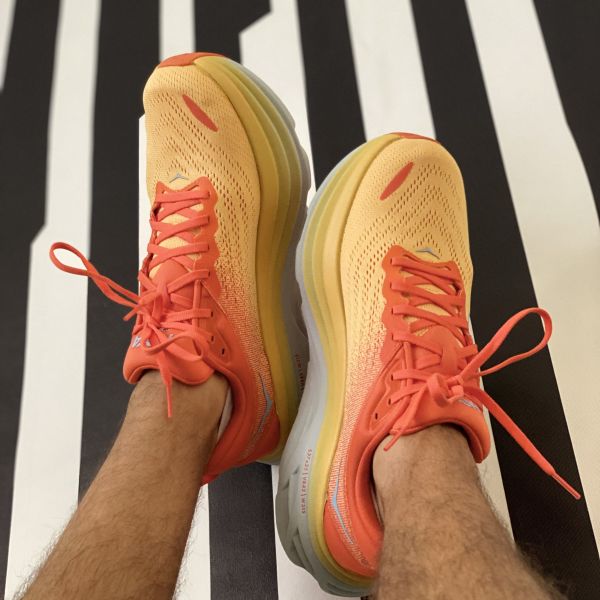
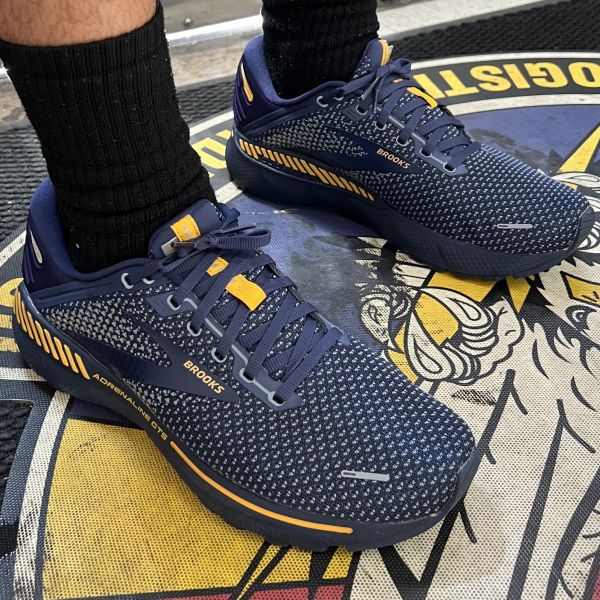
When it comes to looks, HOKA and Brooks have very different approaches:
If you like a shoe that stands out, HOKA’s unique aesthetic might appeal to you. If you prefer a more subtle running shoe, Brooks is the way to go.
Both brands offer a range of sizes and widths, but they cater to slightly different foot shapes:
If you like a snugger fit, Brooks might be the better choice. If you need extra room in the toe box, HOKA could be a better match.

Both brands are in the mid-to-high price range, but they offer excellent value for the quality they provide.
Both brands offer durability and performance that justify their price tags. The best choice depends on which features matter most to you.
Durability is an important consideration, especially for runners logging high mileage.
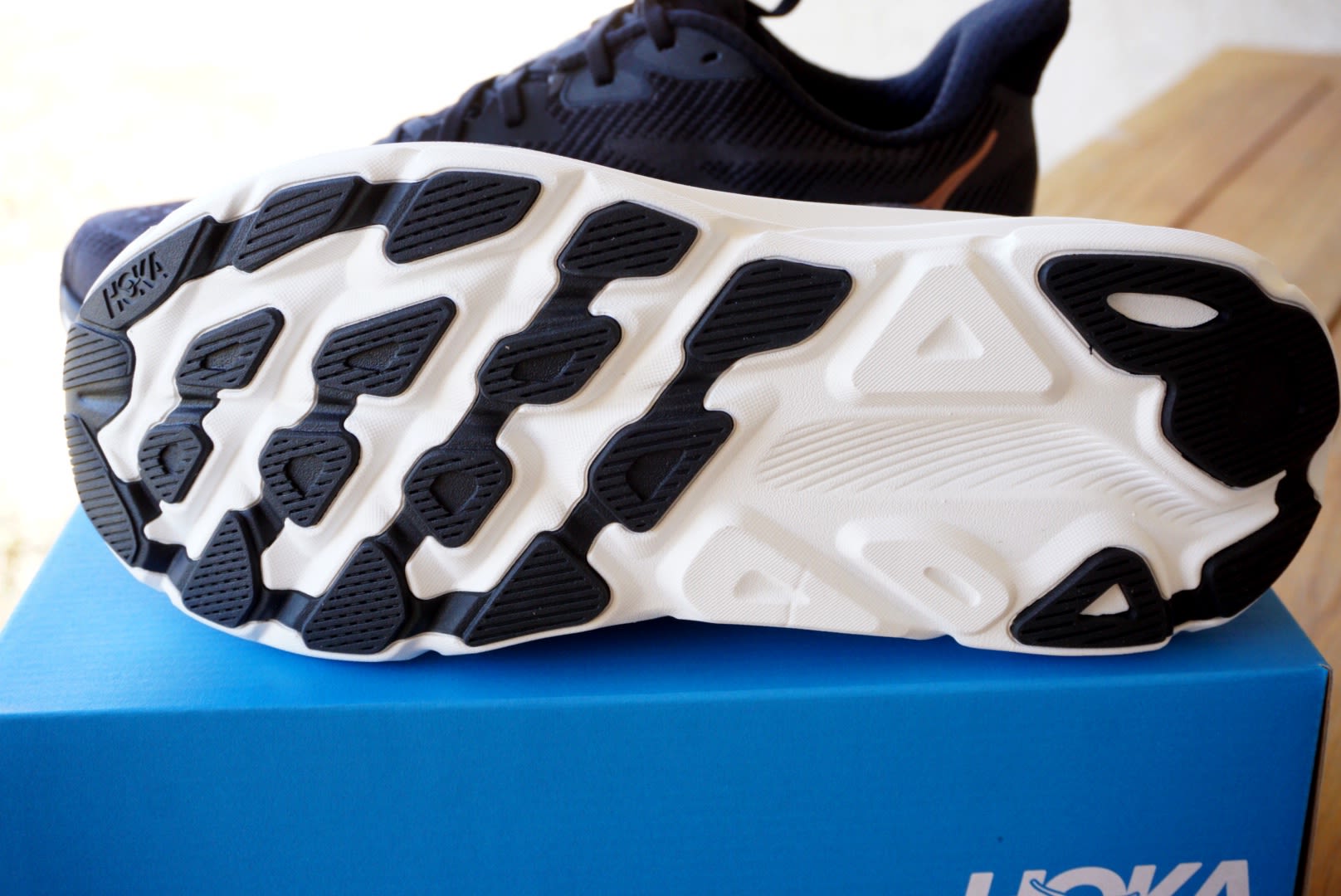
If you want a shoe that maintains its cushioning over time, Brooks may have a slight edge in durability. However, HOKA’s comfort and innovation make them a worthy investment for those who prioritize cushioning.
Models to Consider:
At the end of the day, the right running shoe depends on your individual needs:
Both brands have excellent reputations, so you can’t go wrong with either choice. Consider your running style, foot shape, and terrain preferences to find the best match.
Still unsure? The best way to decide is to try them on and take them for a test run!
Happy running!


Login to your account to leave a comment.



Review gear you already use. Earn Star Points. Qualify to test free running shoes and gear.