Upload / Capture
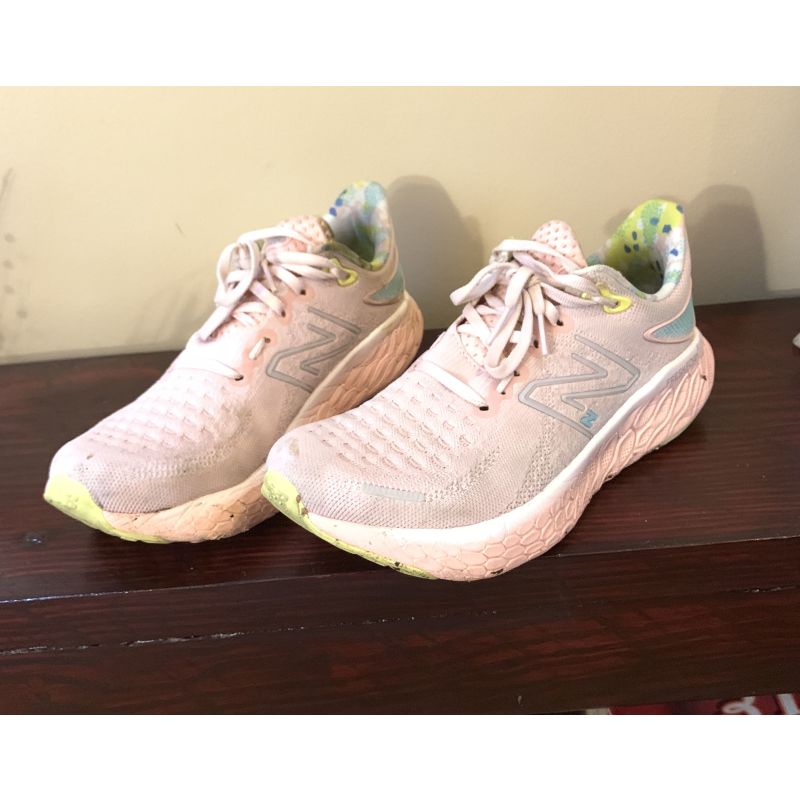
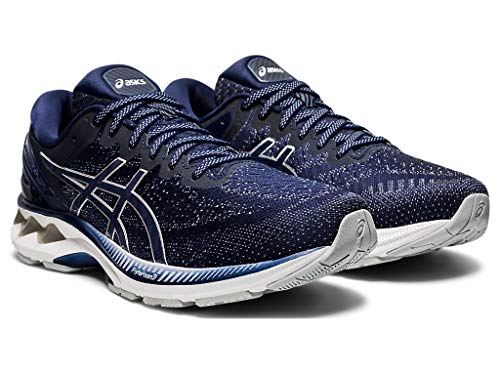
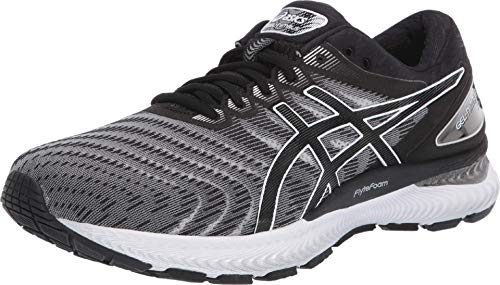
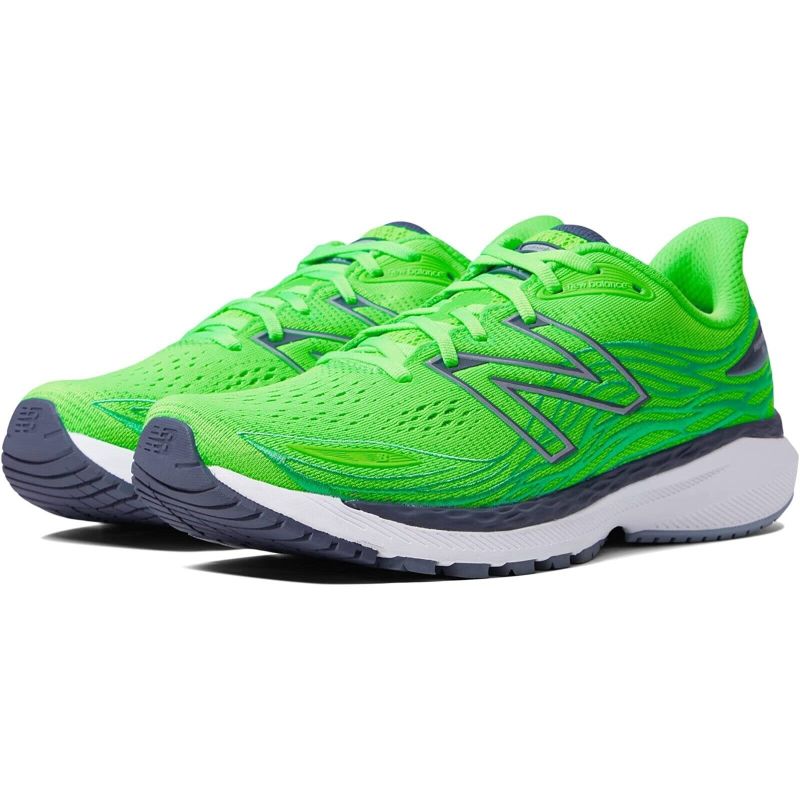
ASICS and New Balance do not make the same kind of running shoe.
ASICS is the better starting point if you want a secure fit, guided geometry and a deeper lineup of high-cushion performance shoes.
New Balance is usually the safer choice if you need more width options, a more accommodating fit or a less prescriptive ride.
But the logo is only the starting point. The useful comparison is shoe against shoe—not a blanket verdict on two enormous brands.
In our recent WeeViews running community survey, 35.9% of respondents said they currently run in ASICS, while 31.3% have a pair of New Balance, showing just how close this rivalry really is. But which one is the better fit for you?
See what runners actually prioritize in our Race Day Insights report.
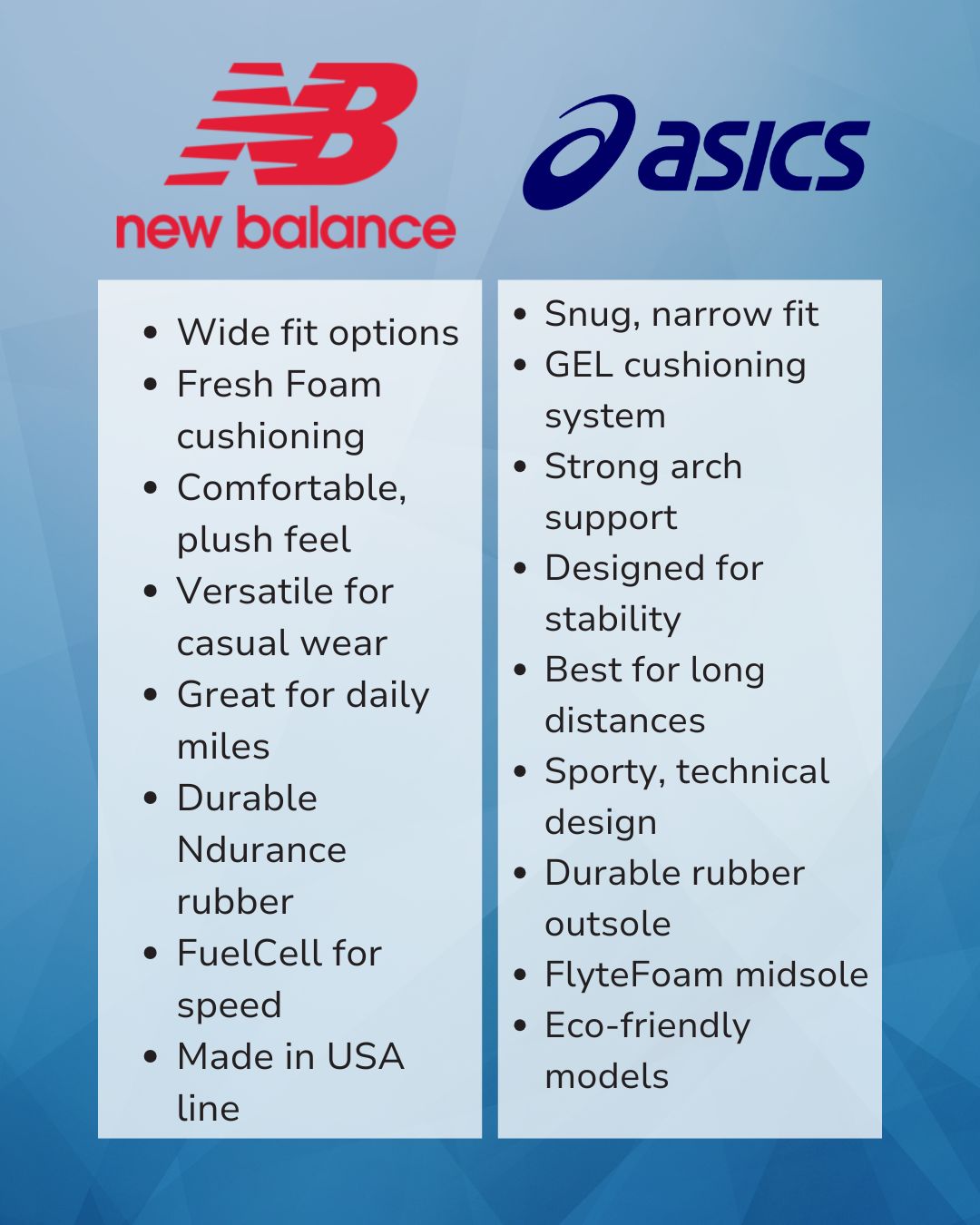
Choose ASICS for:
Choose New Balance for:
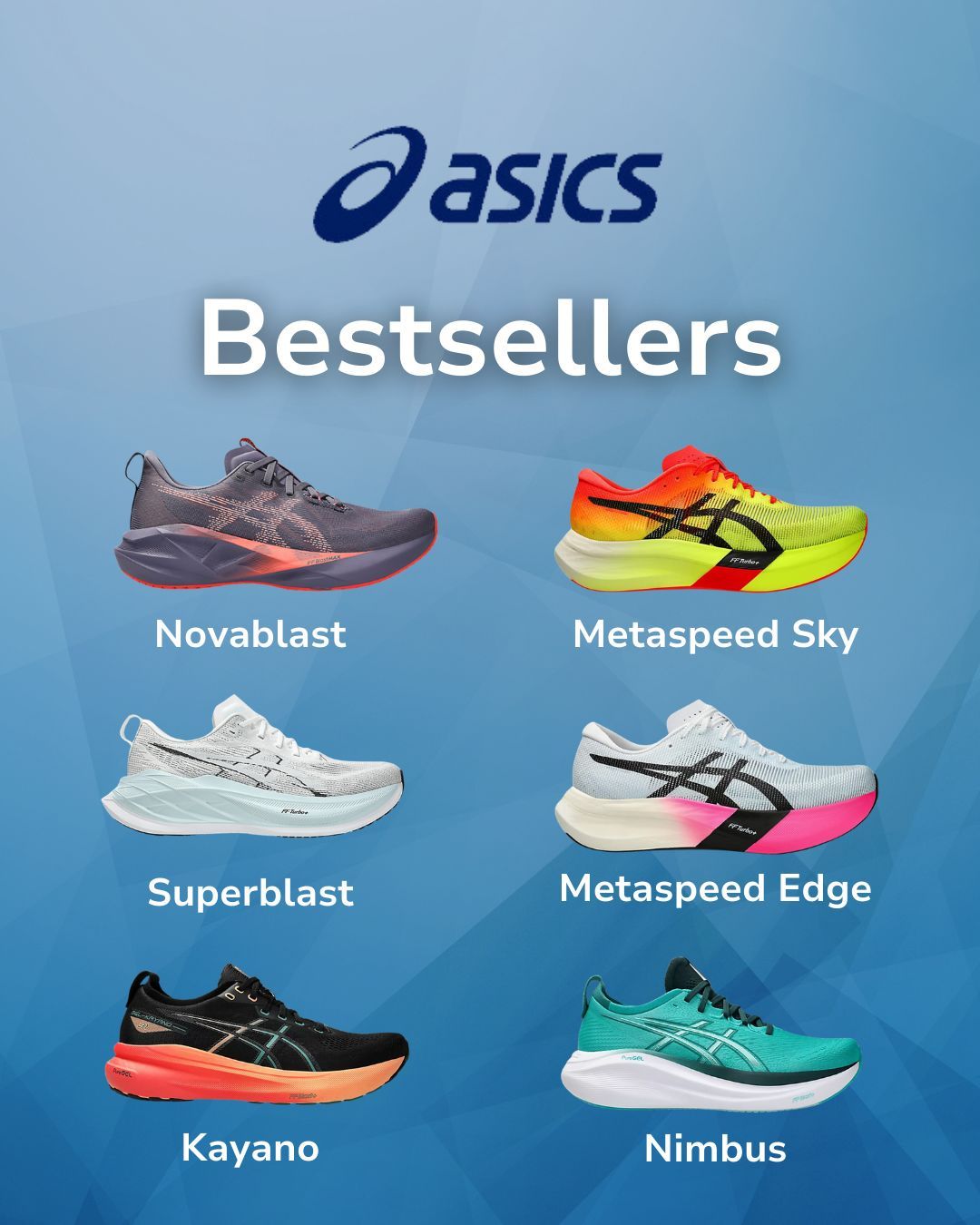
Modern ASICS shoes are no longer defined by visible GEL units and firm medial posts. The current lineup relies on foam geometry, broad platforms and model-specific guidance.
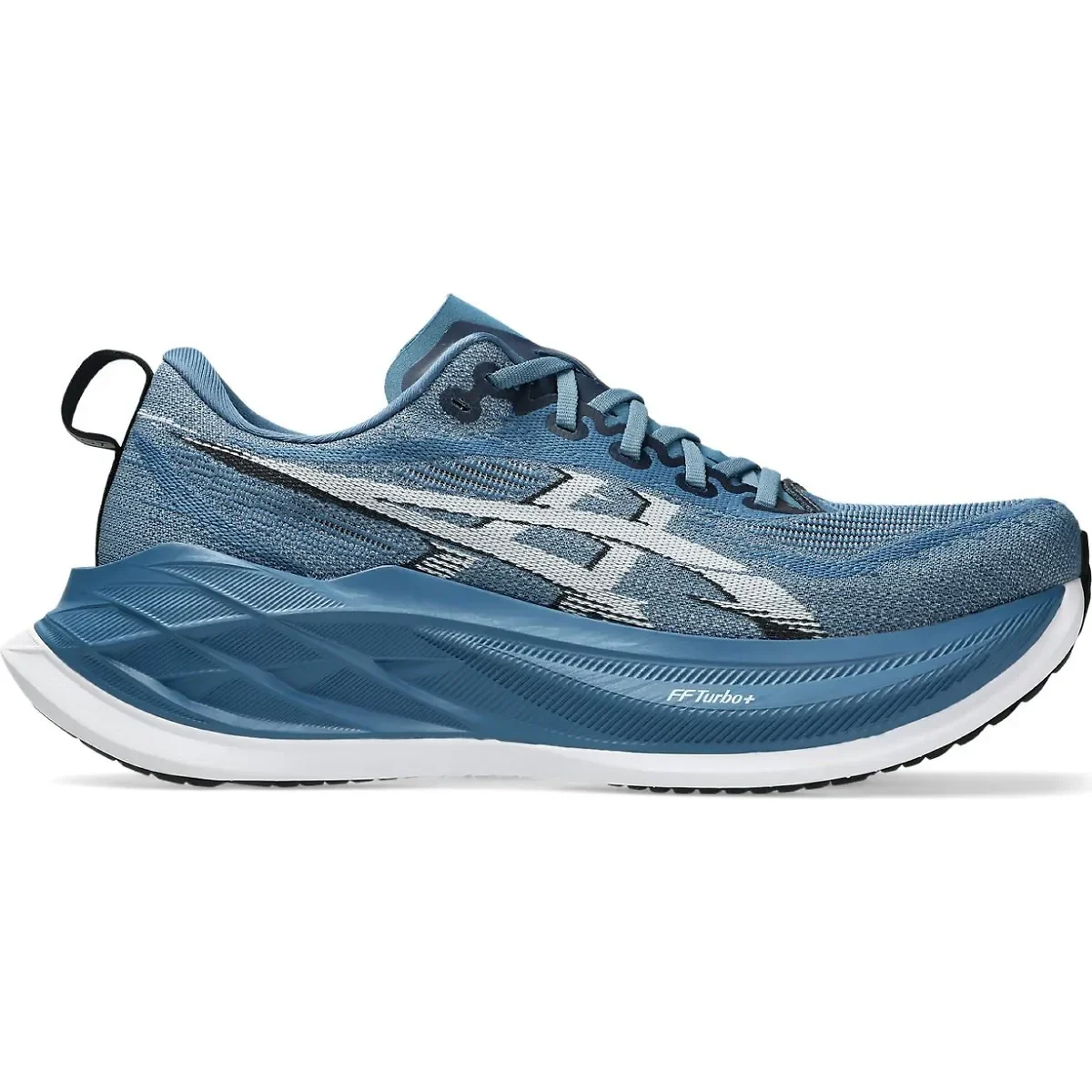
The Novablast 6 is the lively daily trainer. The Superblast 3 adds more stack and FF LEAP foam without adding a plate. The GEL-Nimbus 28 handles soft, protected mileage, while the GEL-Kayano 33 uses FLUIDSUPPORT to guide the foot without forcing every runner into the same motion.
That creates a lineup with more distinct ride personalities—but also more geometry to get along with.
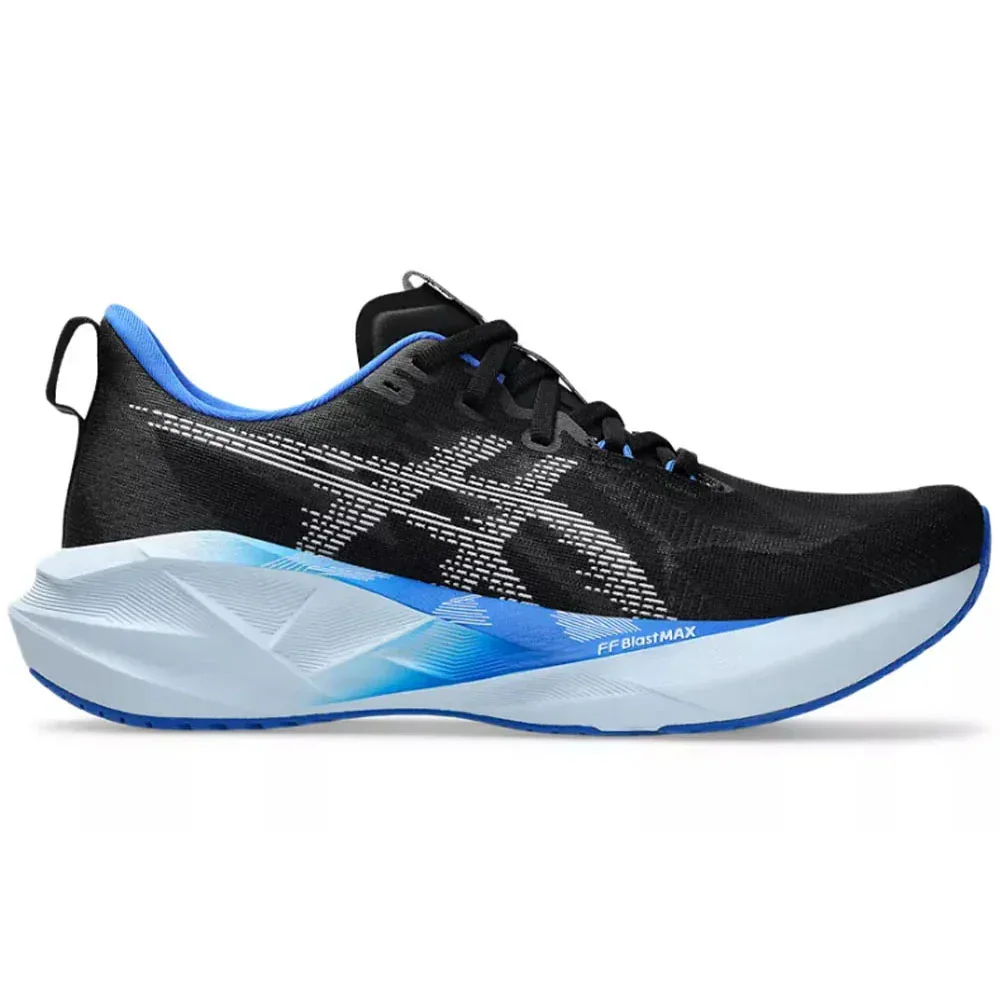
A neutral daily trainer with FF BLAST MAX and FF TURBO² cushioning. It is light enough for faster running but cushioned enough for daily mileage and long runs.
A high-stack, non-plated super trainer built around lightweight FF LEAP cushioning. It is the ASICS choice for runners who want one shoe for long runs, steady mileage and faster work.
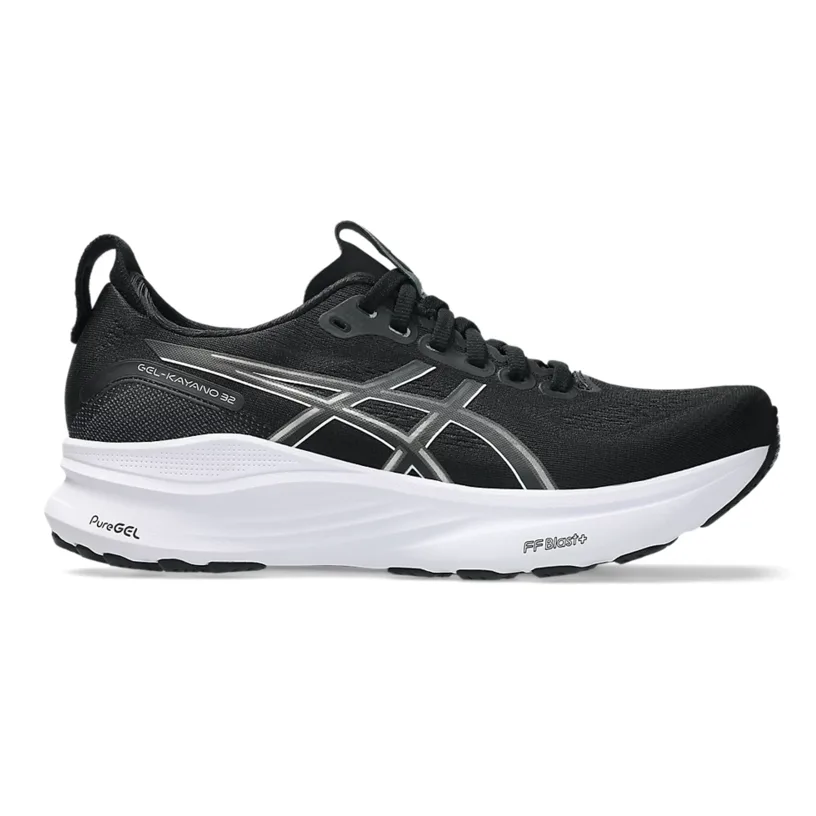
ASICS’ premium stability trainer uses FLUIDSUPPORT guidance with FF BLAST PLUS and FF BLAST MAX foams. It suits runners who want noticeable support without a traditional medial post.
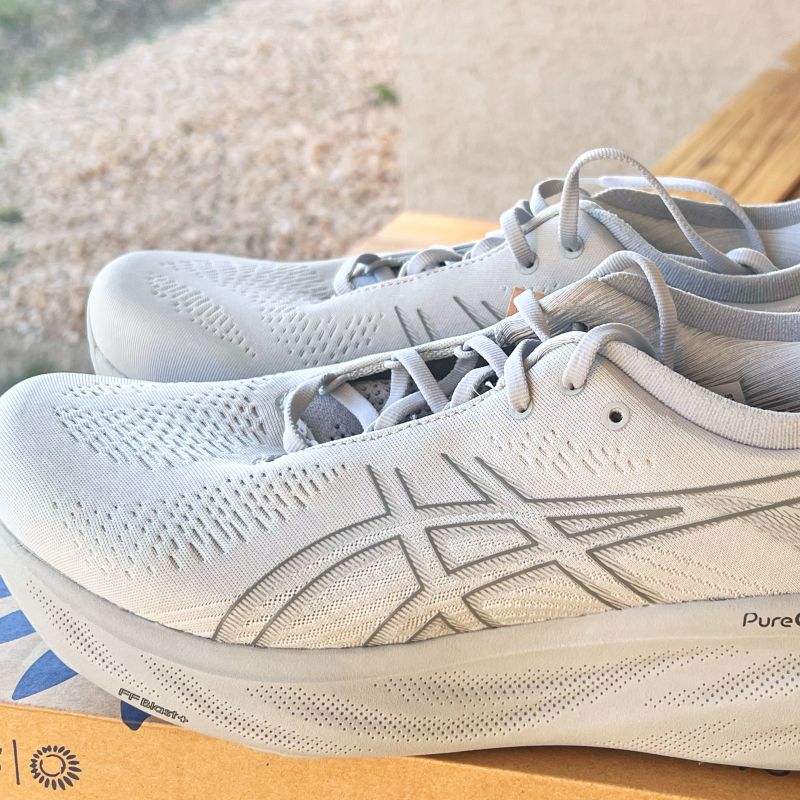
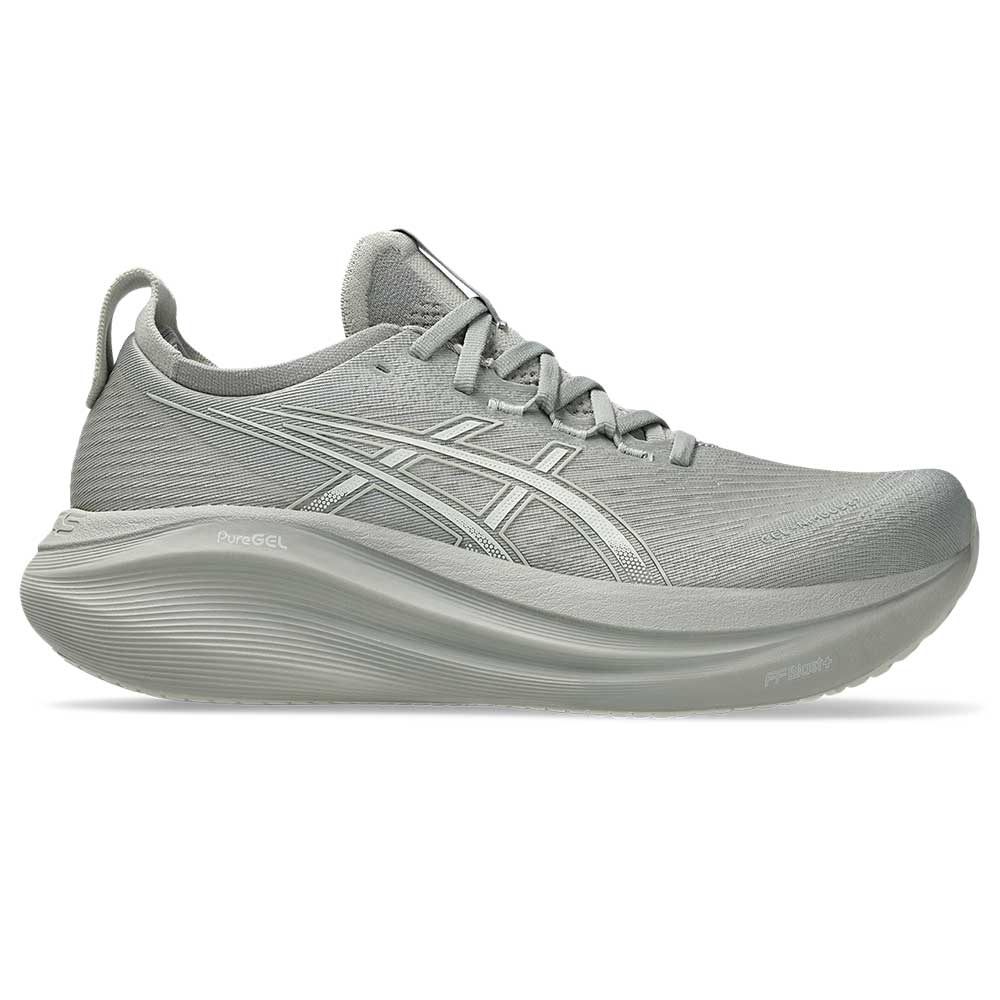
A maximum-cushion neutral trainer for easy runs, recovery days and high-mileage comfort. The 28 is lighter than its predecessor while retaining a soft, protective platform.
A carbon-plated racer for runners who gain speed mainly by lengthening their stride. FF LEAP and FF TURBO PLUS cushioning create an aggressive, very light race-day ride.
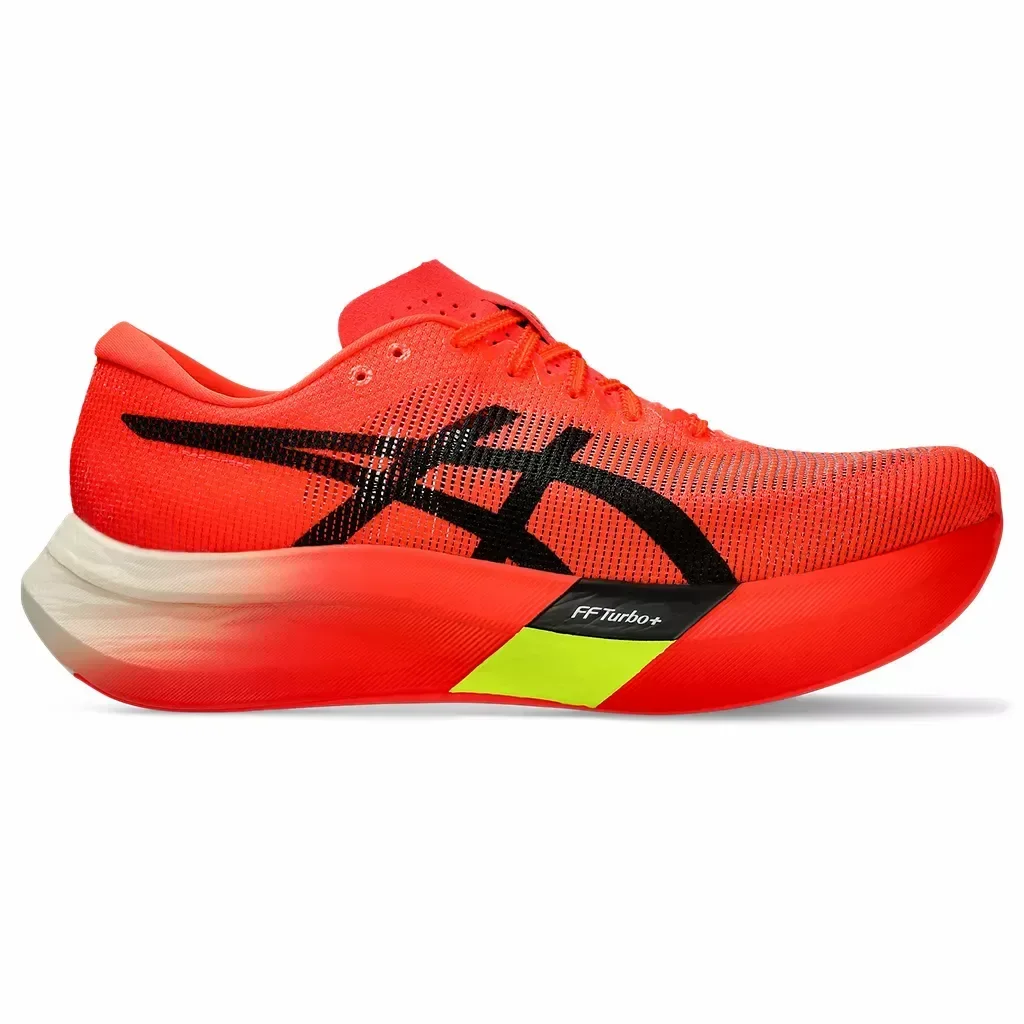
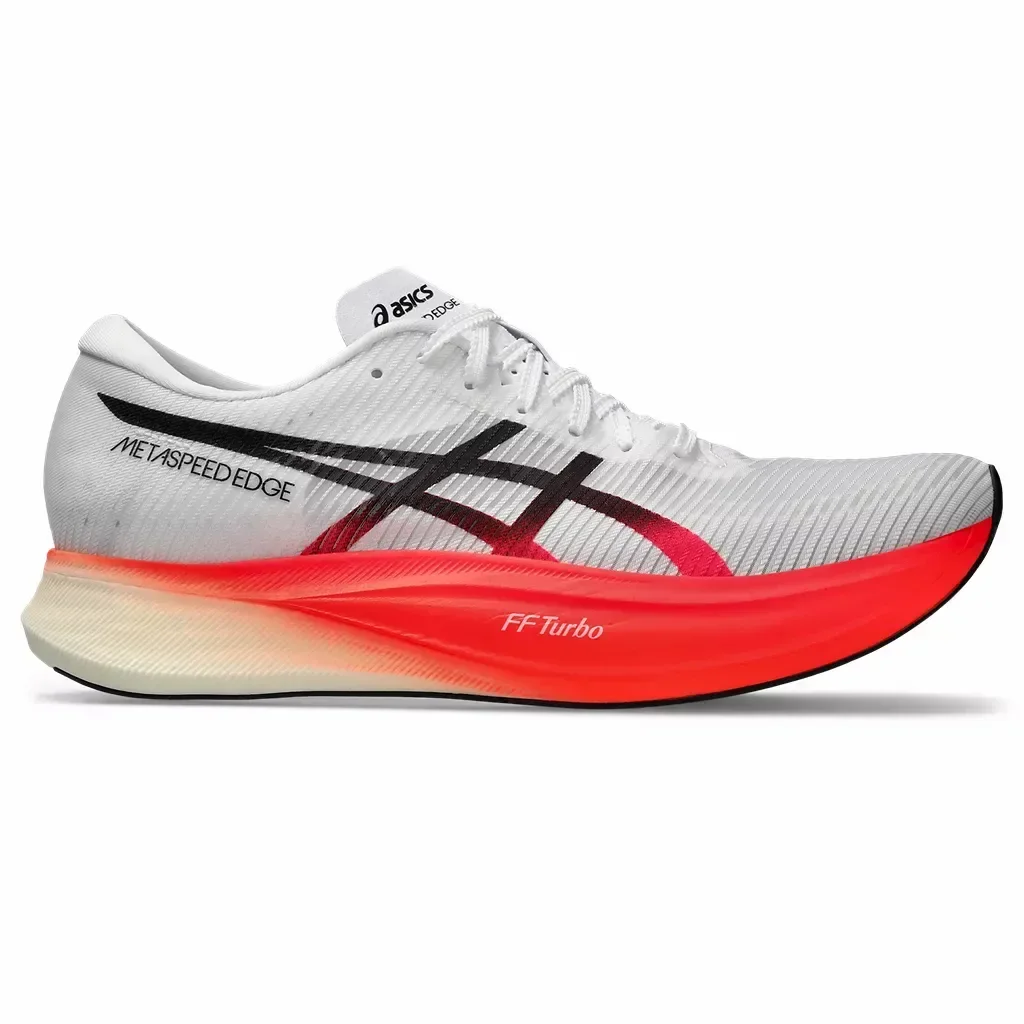
A carbon-plated racer tuned for runners who gain speed mainly by increasing cadence. Its geometry promotes quick turnover with a lower, faster-feeling toe-off than the Sky Tokyo.
New Balance builds around fit range and underfoot choice.
The 1080v15 uses Infinion foam for a lighter, more energetic version of the brand’s premium daily trainer. The Fresh Foam X More v6 remains the slow, deeply cushioned option. The 860v15 supplies broad, steady stability, while the new SuperComp Rebel and SuperComp Elite v6 bring Infinion into faster training and racing.
New Balance is not automatically softer than ASICS. It is usually more accommodating.
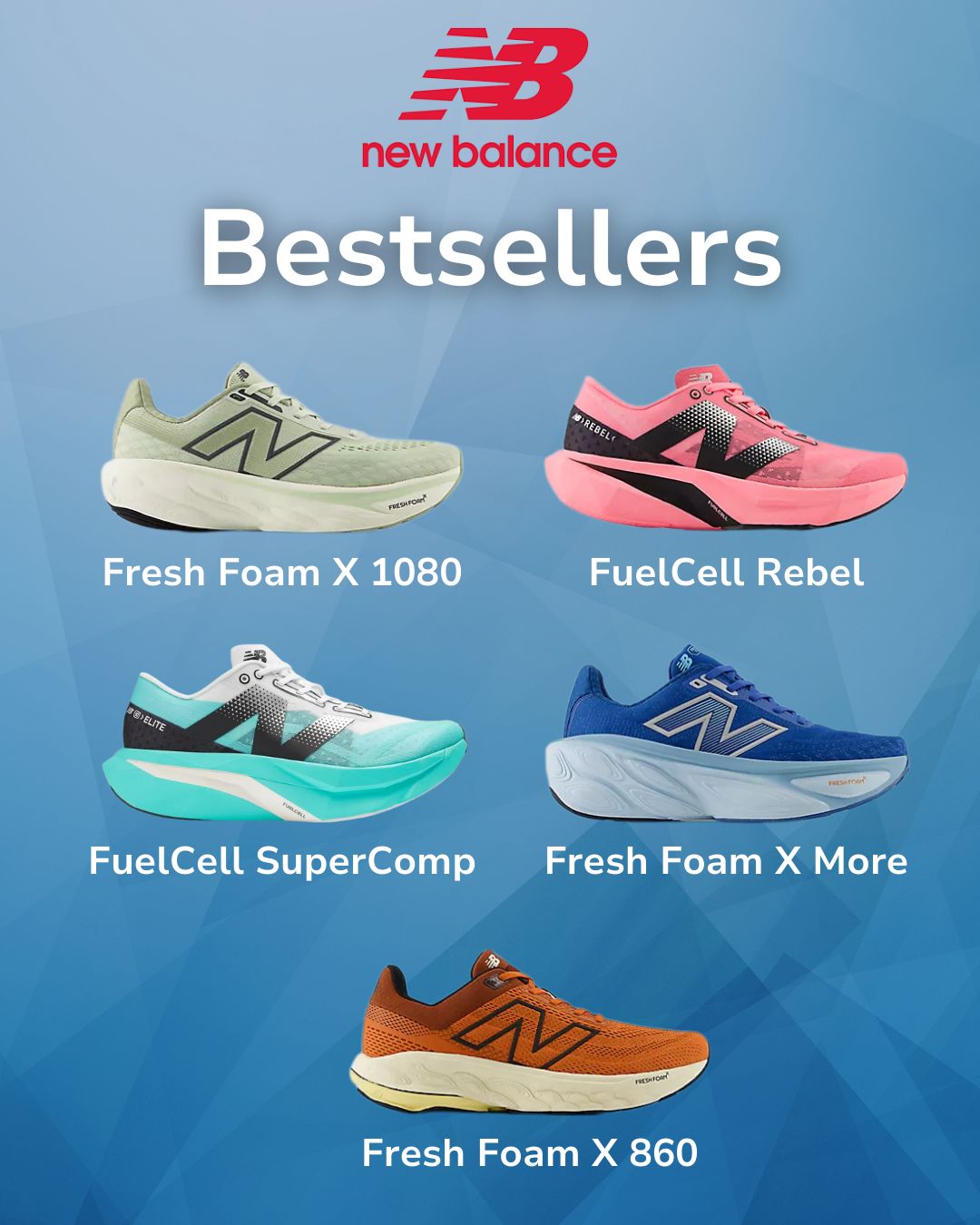
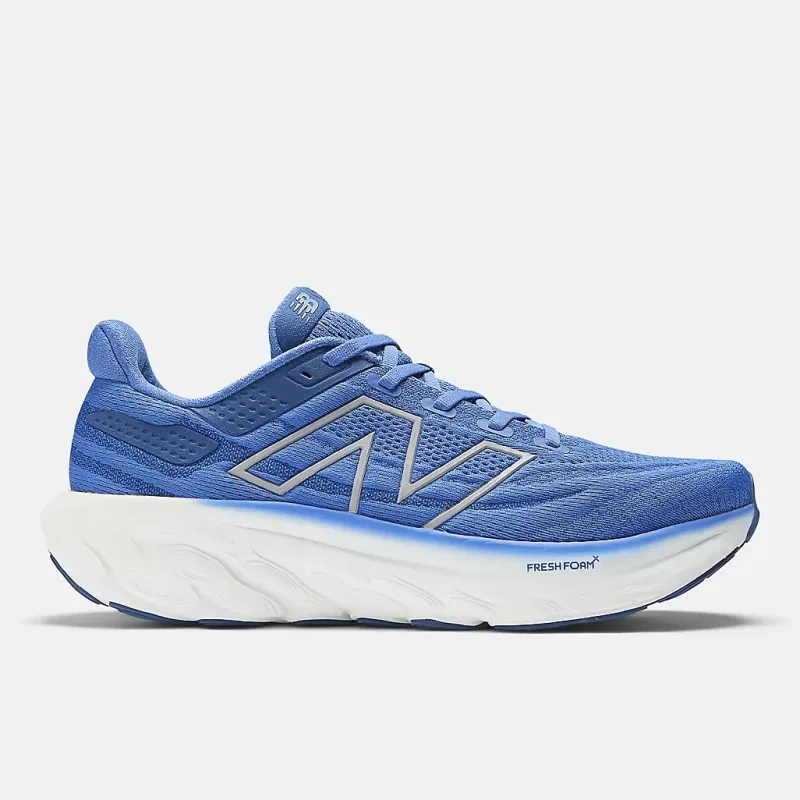
New Balance’s premium neutral daily trainer now uses Infinion foam for a lighter, more responsive ride. It remains a comfort-first shoe, but the v15 is more versatile than the softer v14.
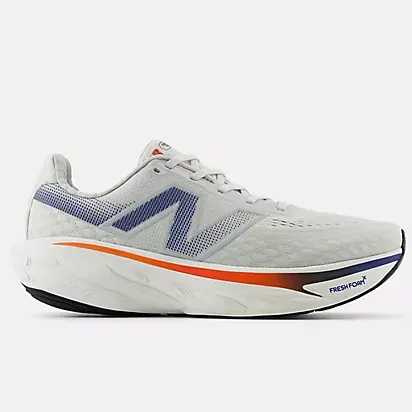
The Rebel has become a plated super trainer. Infinion foam and a carbon-infused PEBA plate make it a fast, energetic option for tempo runs, intervals and long workouts.
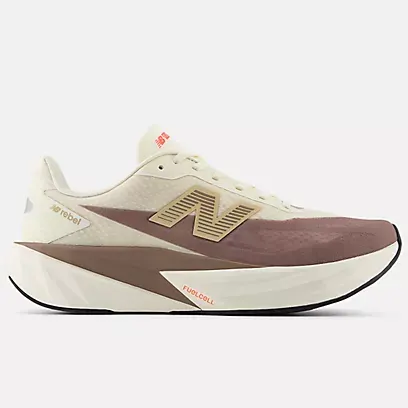
A high-stack Fresh Foam X trainer with a wide base and a slow, rolling ride. It is built for easy miles and recovery days—not runners looking for a light or lively shoe.
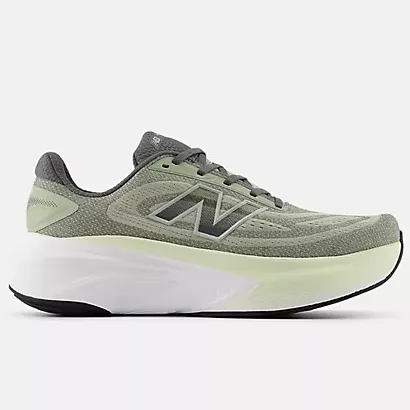
A dependable stability trainer that combines Fresh Foam X cushioning with a Stability Plane. It provides broad, steady guidance and extensive width availability for daily mileage.
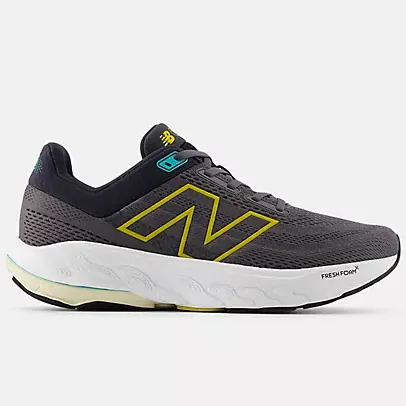
New Balance’s flagship carbon racer is lighter and firmer than the v5. Infinion foam and a redesigned Energy Arc plate favor efficient marathon speed with a more accommodating fit than many super shoes.

New Balance offers more models in wide and extra-wide sizing, and its standard uppers often give the forefoot more room. That makes it the easier first stop for runners who regularly feel squeezed in performance shoes.
ASICS fit varies more by model. Nimbus and Kayano are fairly accommodating, while Superblast and Metaspeed feel more secure through the midfoot.
Do not size up automatically in either brand. Start with your normal running-shoe size, then check heel hold, midfoot pressure and at least a thumb’s width in front of the longest toe.
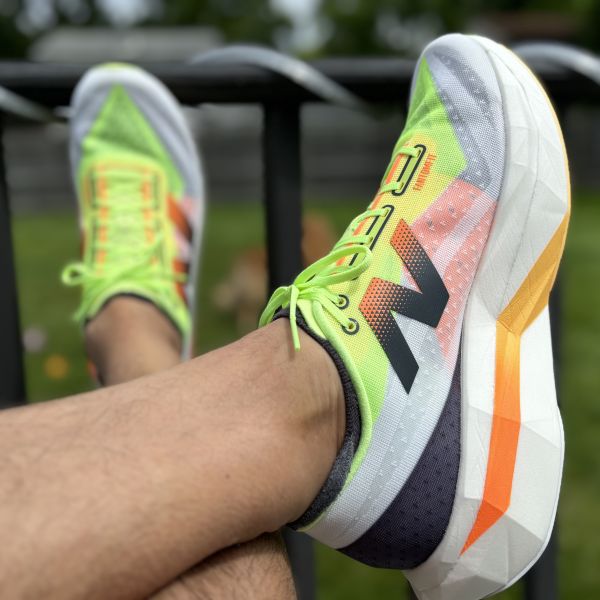
Both shoes provide support without a traditional hard medial post.
Choose the GEL-Kayano 33 if you want adaptive guidance, a secure upper and a smoother transition from landing to toe-off.
Choose the 860v15 if you want a broader platform, more width choices and stability that feels steady rather than highly sculpted.
Neither is universally “better for overpronation.” The better shoe is the one that reduces unwanted motion without creating pressure somewhere else.
This is not a perfect one-to-one matchup—and that is the point.
The Novablast 6 is the more practical daily shoe. It is bouncy enough for steady and tempo running, but comfortable enough to use throughout the week.
The SuperComp Rebel is the faster tool. Its Infinion foam and carbon-infused PEBA plate make it more propulsive, but also more expensive, less stable and less natural at easy pace.
Buy the Novablast if you want one versatile trainer. Buy the Rebel if you already have an easy-day shoe and want a dedicated workout option.
Both brands can produce a durable daily trainer, but construction matters more than the logo.
ASICS usually applies generous outsole rubber to Nimbus, Kayano and Novablast. New Balance daily trainers also hold up well, although lightweight Rebel and race models trade some rubber and stability for speed.
The best value is not necessarily the cheaper shoe. It is the shoe you will use for the most miles without wishing it were something else.
Best everyday versatility: ASICS Novablast 6
Best premium daily comfort: New Balance 1080v15
Best stability geometry: ASICS GEL-Kayano 33
Best choice for wide feet: New Balance
Best non-plated long-run shoe: ASICS Superblast 3
Best easy-day cushioning: New Balance Fresh Foam X More v6
Best fast trainer: New Balance SuperComp Rebel
Best race-day choice: depends on fit and preferred geometry
Start with the run you need the shoe to handle most often.
If it is daily mileage, compare Novablast and 1080.
If it is easy or recovery running, compare Nimbus and More.
If it is stability, compare Kayano and 860.
If it is long workouts, compare Superblast and SuperComp Rebel.
If it is racing, compare Metaspeed Tokyo and SuperComp Elite.
Then try the actual shoes. Brand loyalty cannot tell you where an arch will press or whether a rocker agrees with your stride.
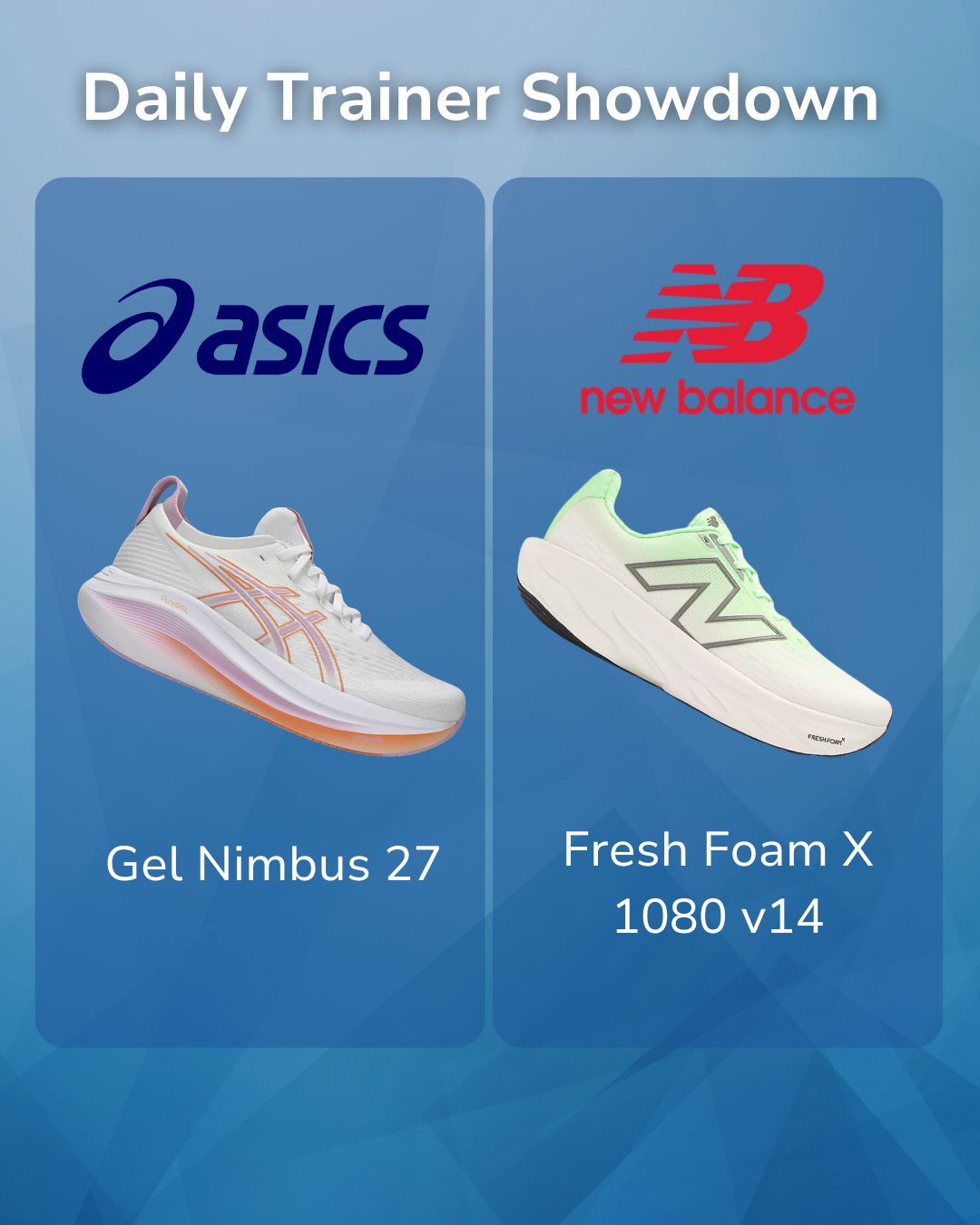
The Nimbus 28 feels more protected and more structured. Its high stack, PureGEL and broad platform suit runners who want easy miles to feel insulated from the road.
The 1080v15 is lighter and more flexible. Its Infinion midsole gives it more range than the v14, while the upper and width choices make it easier for more feet to wear.
Choose Nimbus for maximum protection and a guided transition. Choose 1080 for a more natural ride, broader fit options and better pace versatility.
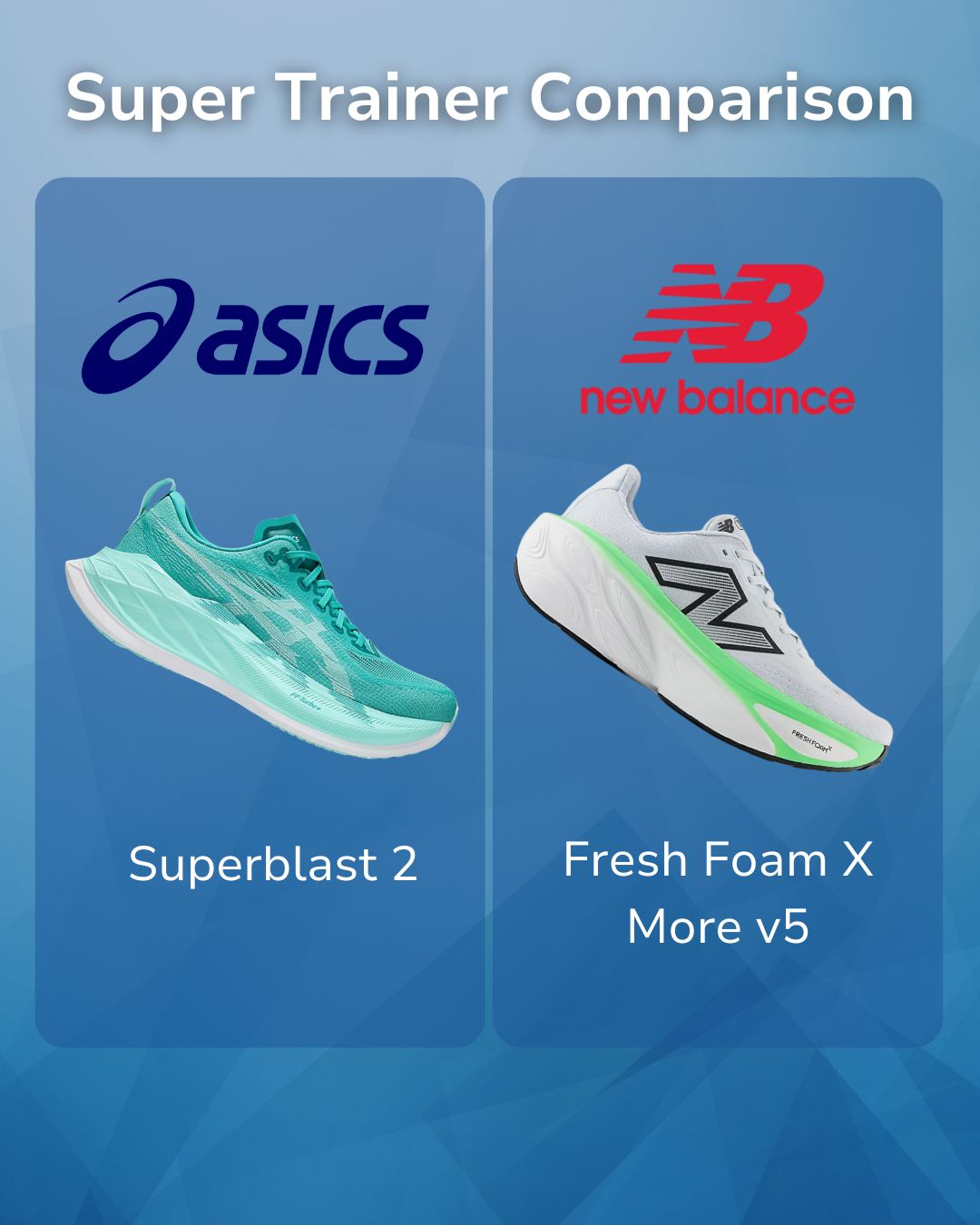
These shoes share a tall profile, but they solve different problems.
The Superblast 3 is light, energetic and unusually versatile for its stack height. FF LEAP foam makes it a strong long-run and progression-run shoe without the rigidity of a plate.
The More v6 is heavier, softer and calmer. Its job is to make easy running feel protected—not to disappear when the pace rises.
Choose Superblast if you want one high-stack shoe to do almost everything. Choose More if comfort matters more than speed.
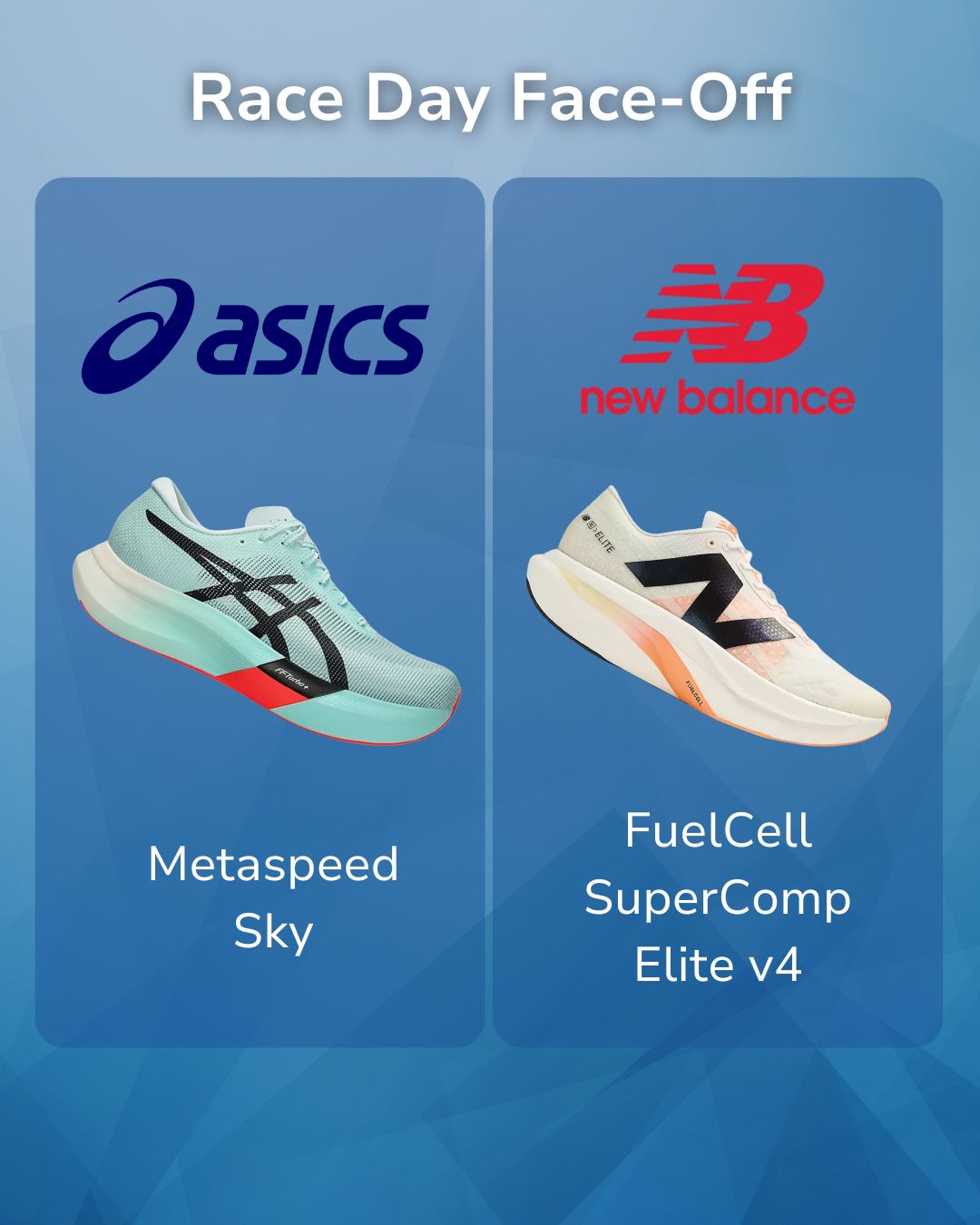
The Metaspeed Sky Tokyo and Edge Tokyo are aggressive, very light racers. Sky rewards runners who increase stride length as they speed up; Edge is tuned for runners who increase cadence.
The SuperComp Elite v6 is also lighter and firmer than its predecessor, but its fit is more accommodating than many super shoes. Its Infinion foam and redesigned carbon plate create a smoother, less specialized choice for the marathon.
Choose Metaspeed when the ASICS geometry clearly clicks. Choose the Elite v6 when fit, steadiness and long-distance comfort matter as much as outright aggression.
For a broader race-day comparison, see our guide to the best marathon racing shoes.
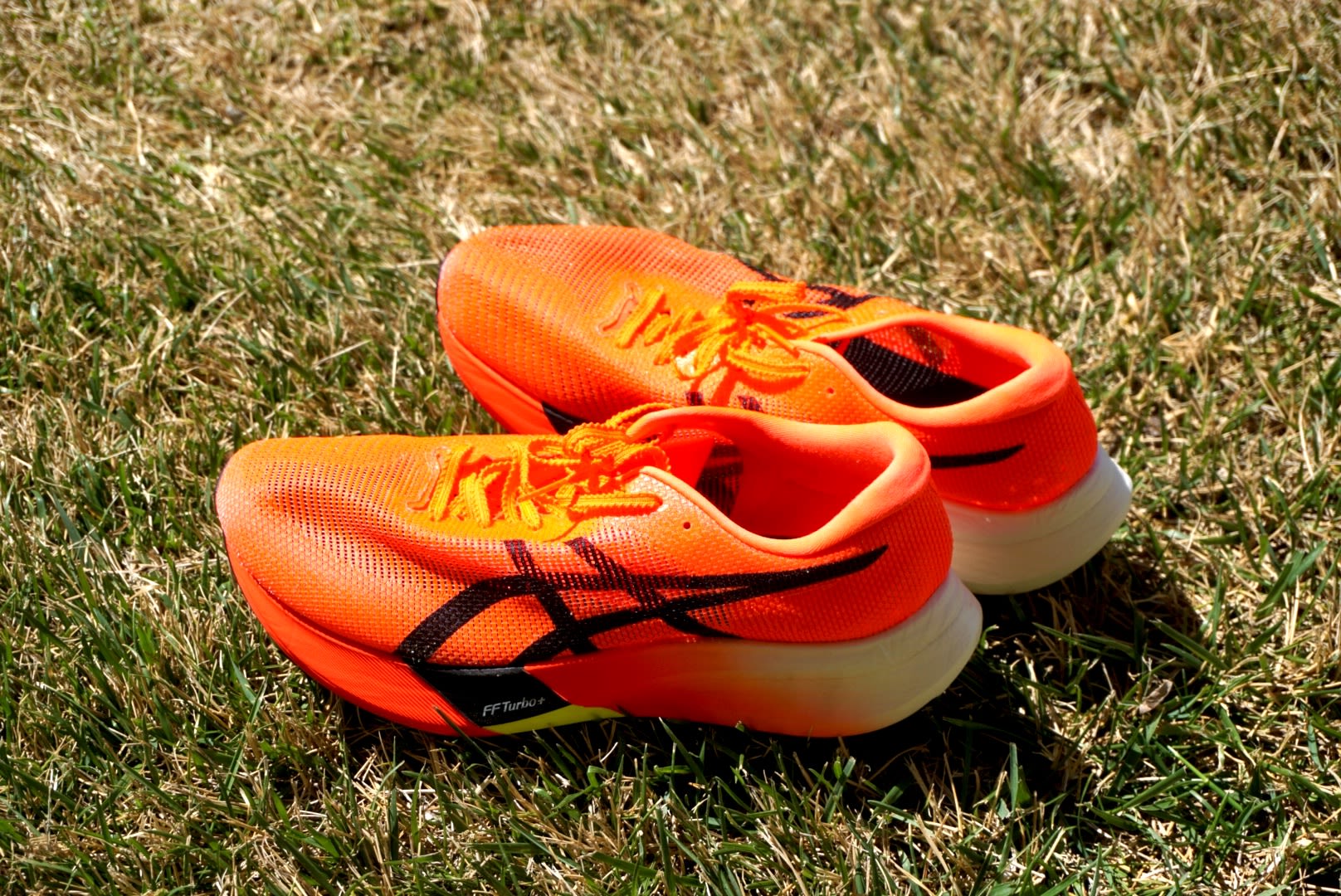
Choose ASICS if you want secure fit, guided geometry and the stronger high-cushion performance lineup.
Choose New Balance if you need width, forefoot room or a more accommodating path from daily training to racing.
If you are choosing between two specific shoes, ignore the brand winner and compare those shoes directly. That is where the useful answer lives.

Login to your account to leave a comment.


Review gear you already use. Earn Star Points. Qualify to test free running shoes and gear.