Upload / Capture
For years, the HOKA vs. ASICS debate had an easy answer.
HOKA made the big, cushy shoes. ASICS made the serious support shoes.
That answer is badly out of date.
HOKA still loves a rocker and a broad platform. ASICS still knows how to build a great stability shoe. But both brands now make soft daily trainers, max-cushion cruisers, modern stability shoes and legitimate race-day weapons.
And when we asked runners what actually matters to them on race day, one of the oldest brand stereotypes fell apart.
In the WeeViews Race Day Insights survey, 68% of HOKA runners said comfort was a priority.
Among ASICS runners?
70%.
So much for HOKA owning comfort.
The better question in 2026 isn't which brand is softer or more supportive.
It's how you want your shoes to feel — and what you want them to do.
HOKA generally gives you a smoother, more guided ride built around rocker geometry and broad platforms.
ASICS gives you more personalities: soft, bouncy, stable, lightweight, aggressive.
And once you stop comparing logos and start comparing actual shoes, the differences get a lot more interesting.

Start with HOKA if you want:
• A smooth, rolling transition
• Broad, planted platforms
• A less dramatic ride for everyday mileage
• Strong road-to-trail options
• One of the deepest trail lineups in running
Start with ASICS if you want:
• More variety in ride feel
• Bouncier daily trainers
• Excellent max-cushion and stability choices
• A deeper road-performance lineup
• More separation between your daily, workout and race-day shoes
But don't buy a brand.
Buy the shoe that fits the job.

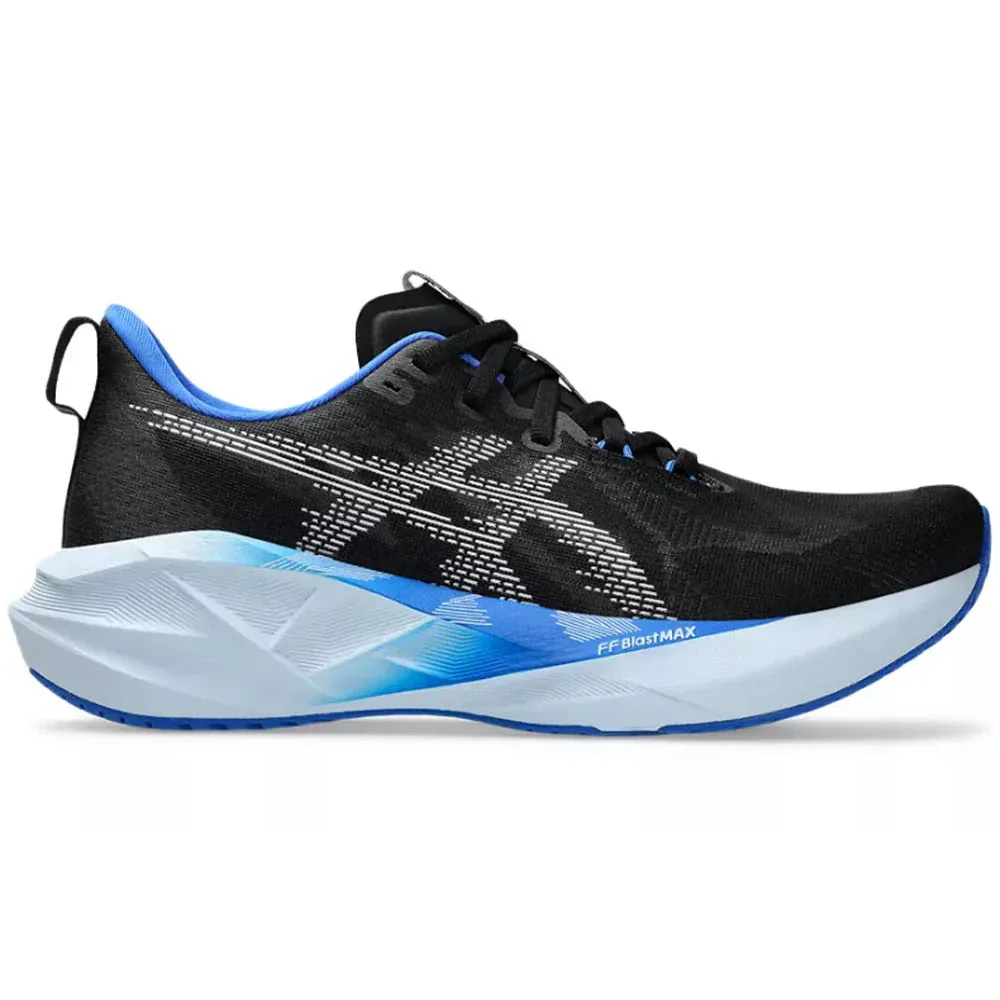
A neutral daily trainer with FF BLAST MAX and FF TURBO² cushioning. It is light enough for faster running but cushioned enough for daily mileage and long runs.
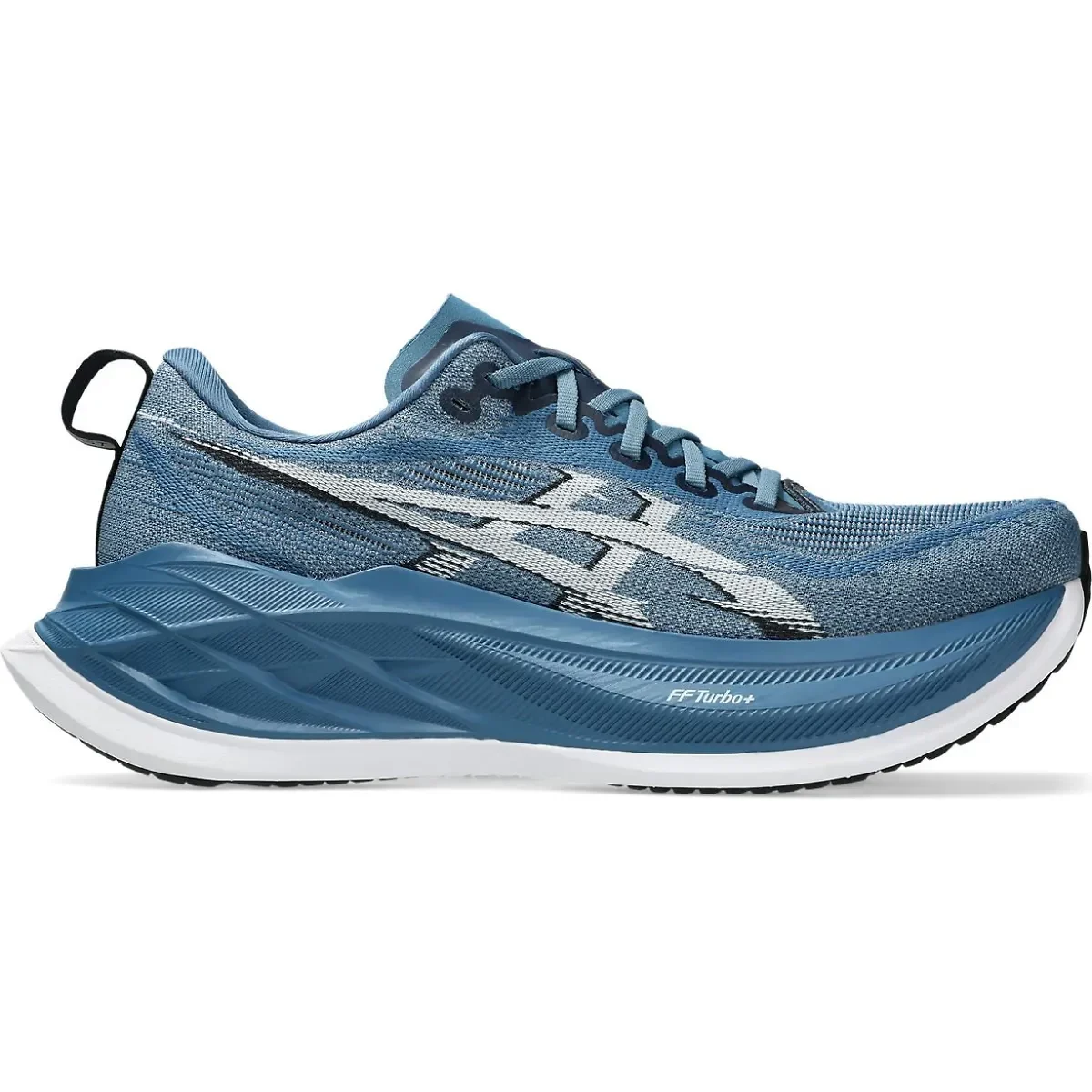
A high-stack, non-plated super trainer built around lightweight FF LEAP cushioning. It is the ASICS choice for runners who want one shoe for long runs, steady mileage and faster work.
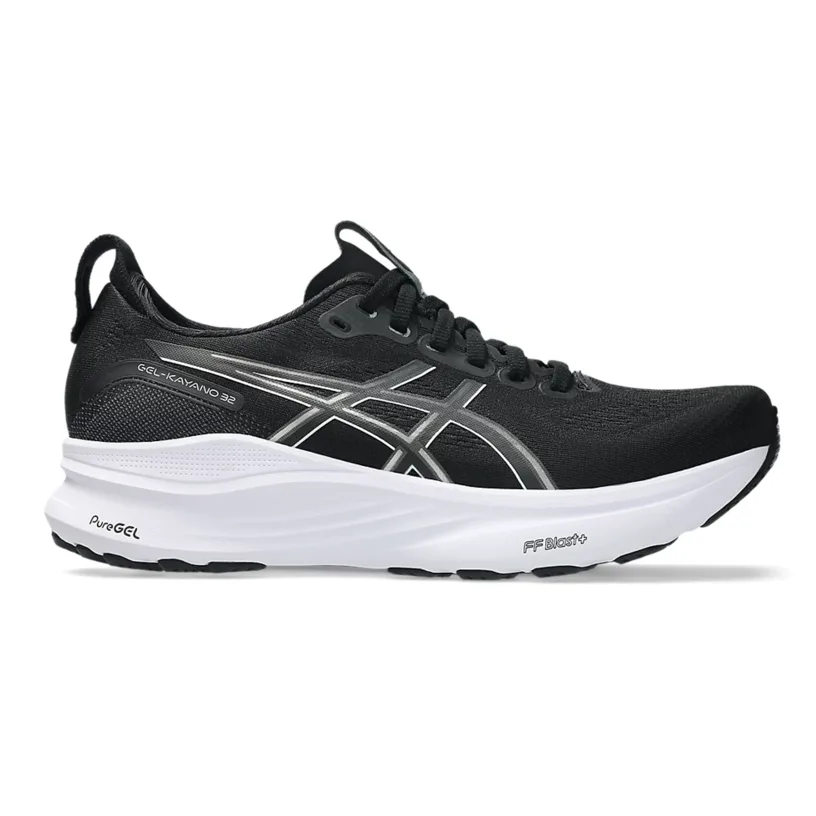
ASICS’ premium stability trainer uses FLUIDSUPPORT guidance with FF BLAST PLUS and FF BLAST MAX foams. It suits runners who want noticeable support without a traditional medial post.
A maximum-cushion neutral trainer for easy runs, recovery days and high-mileage comfort. The 28 is lighter than its predecessor while retaining a soft, protective platform.
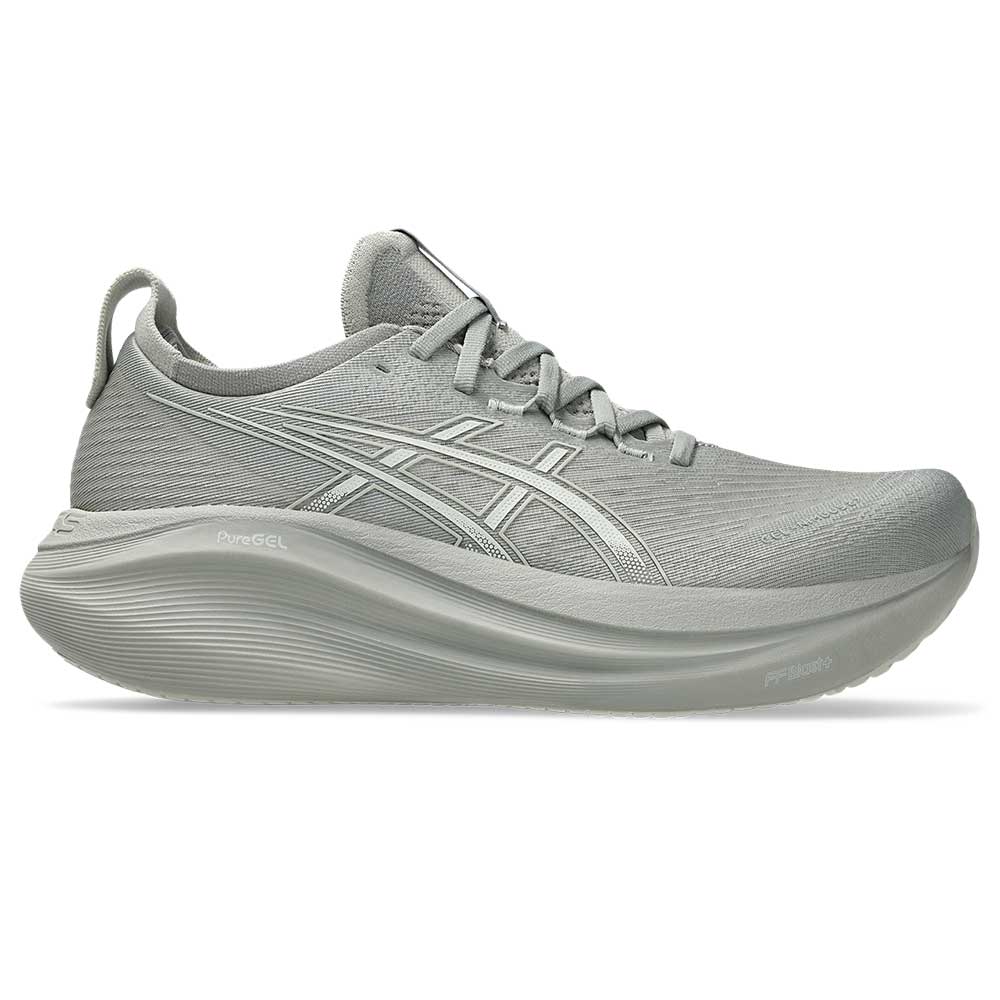
A carbon-plated racer for runners who gain speed mainly by lengthening their stride. FF LEAP and FF TURBO PLUS cushioning create an aggressive, very light race-day ride.
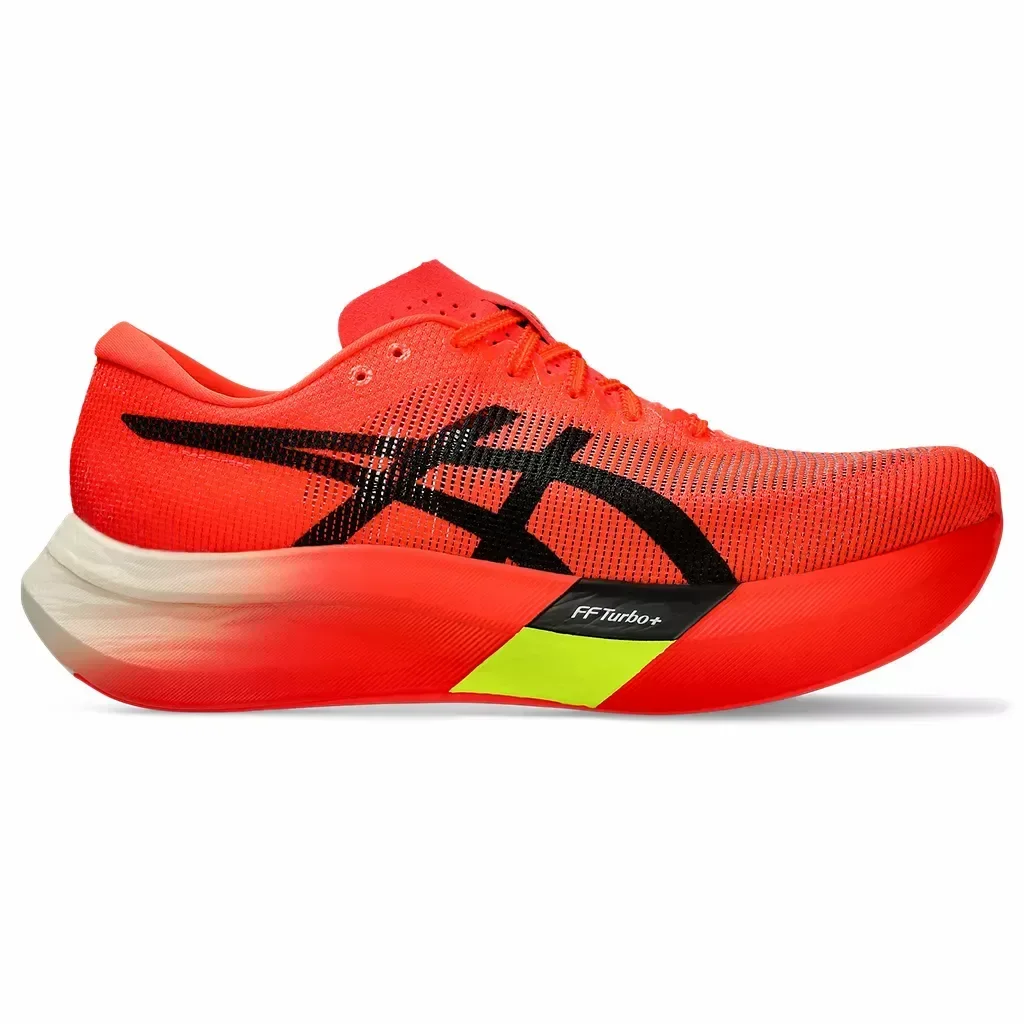
A carbon-plated racer tuned for runners who gain speed mainly by increasing cadence. Its geometry promotes quick turnover with a lower, faster-feeling toe-off than the Sky Tokyo.
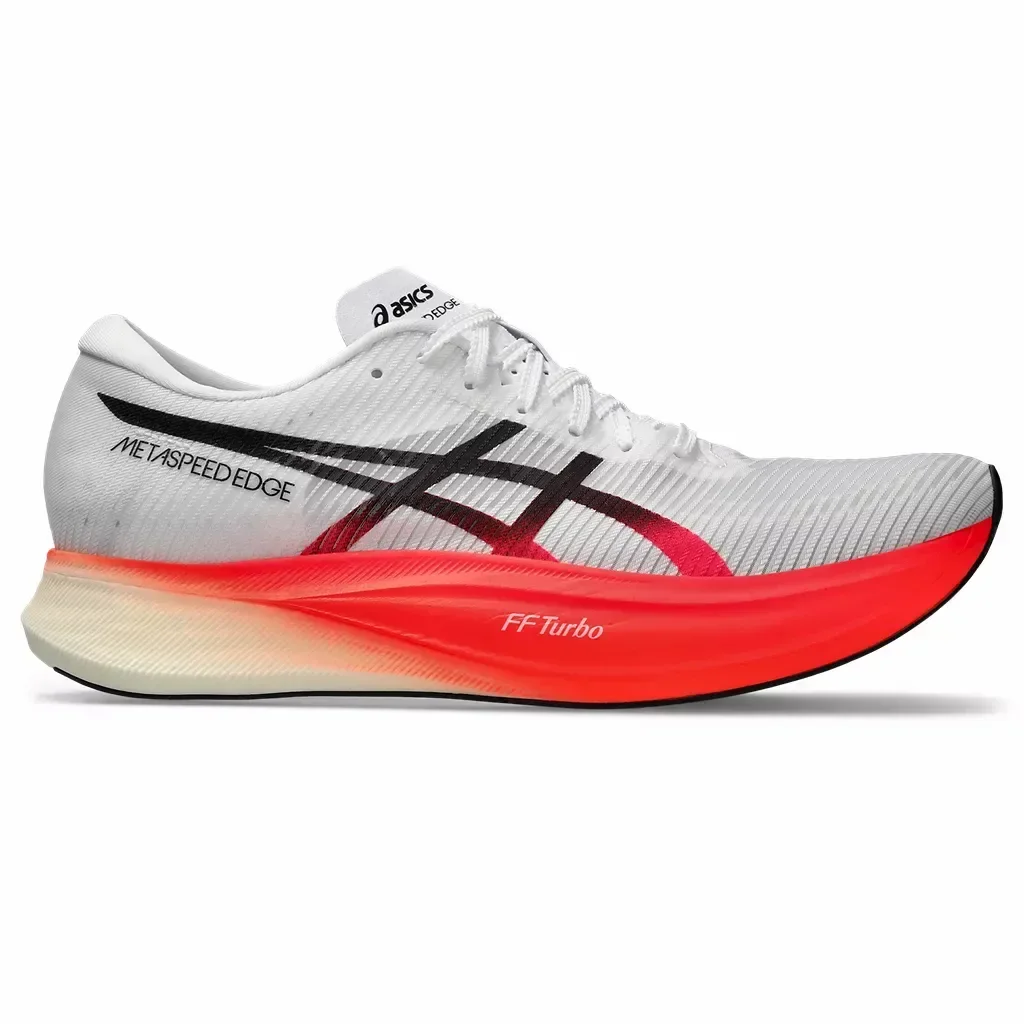

A balanced neutral daily trainer with compression-molded EVA, MetaRocker geometry and a more comfortable jacquard-knit upper. It favors smooth, predictable mileage over a highly energetic ride.
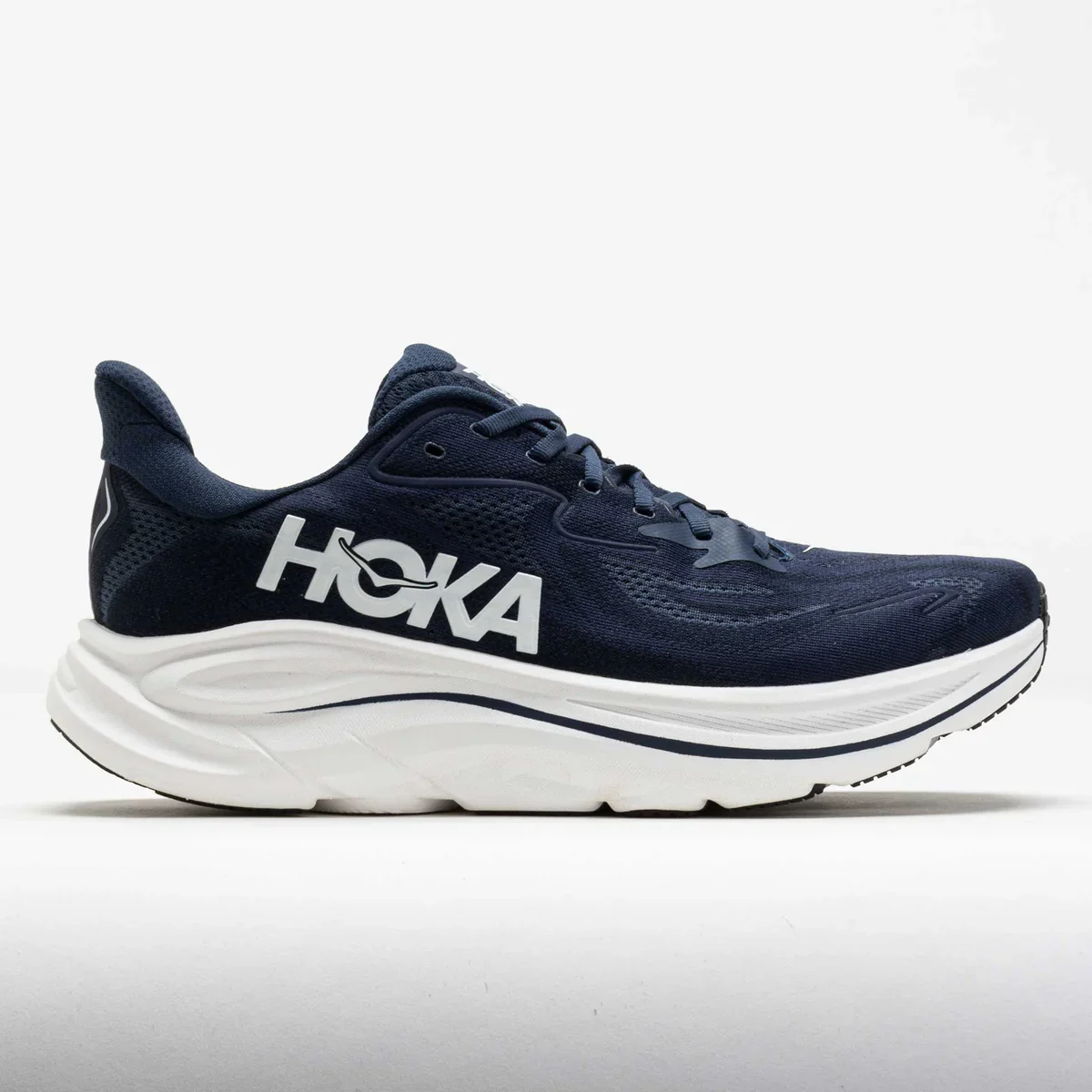
Max-cushioned EVA foam underfoot with a streamlined, plush profile for supremely soft landings. Designed for runners stacking high miles prioritizing recovery and comfort over firm responsiveness, or for those seeking comfort for a long day on their feet.
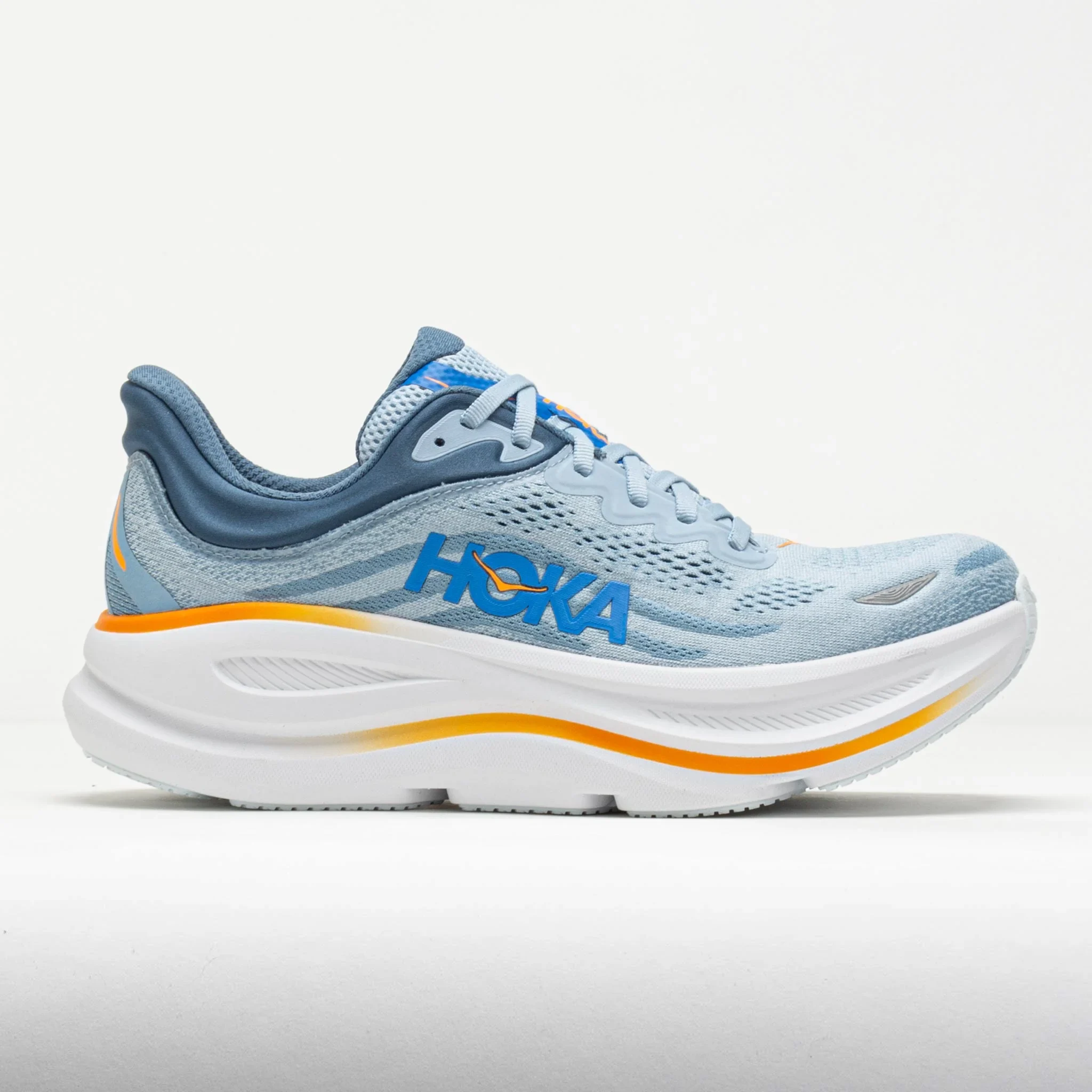
A stability daily trainer with H-Frame technology, a broad platform and unobtrusive guidance. It suits runners who want dependable support without the hard feel of a traditional medial post.
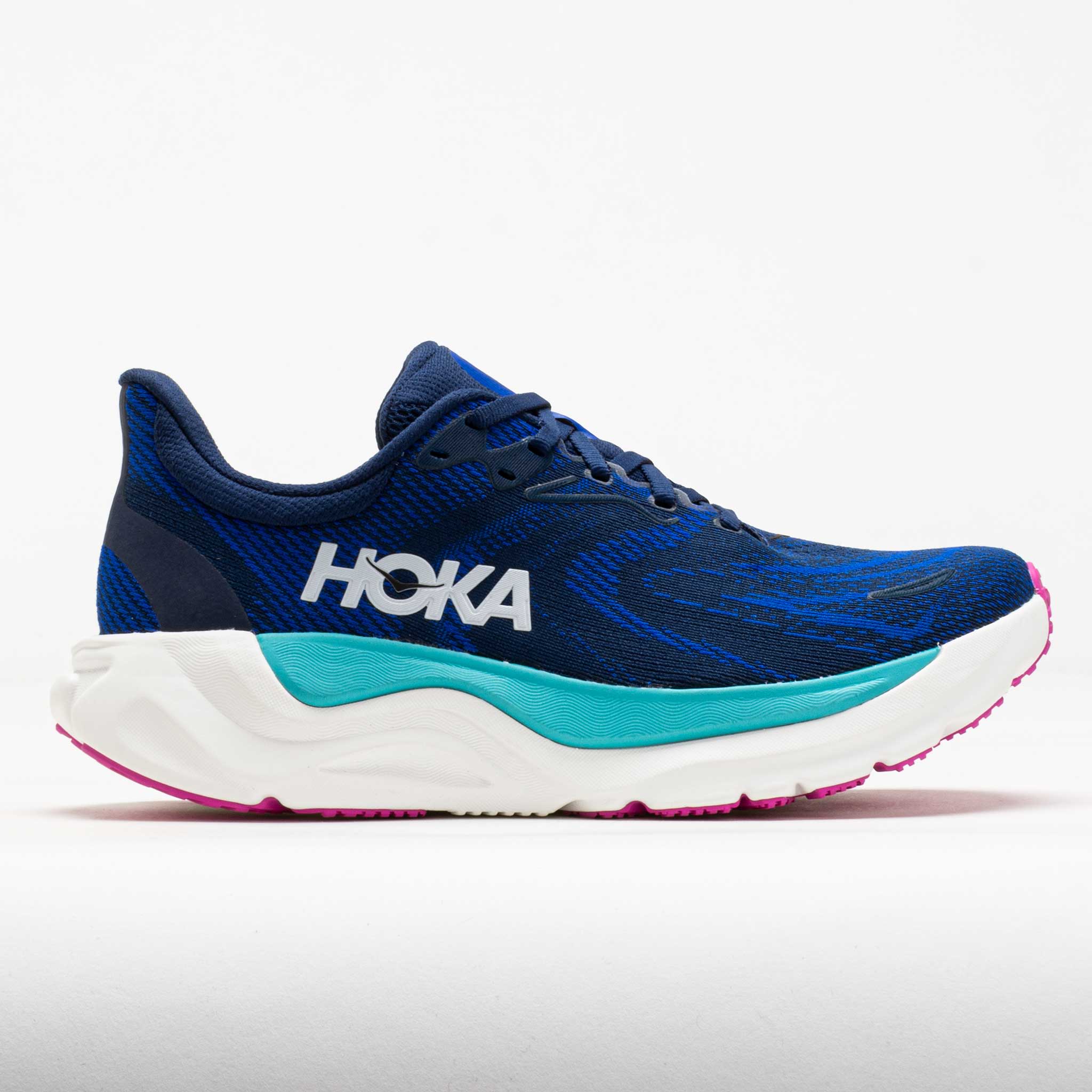
A responsive yet protective midsole with moderate stack and Trail TAC rubber outsole—built for light-to-moderate trail use and adaptable terrain. Great for those shifting seamlessly between road and trail runs.
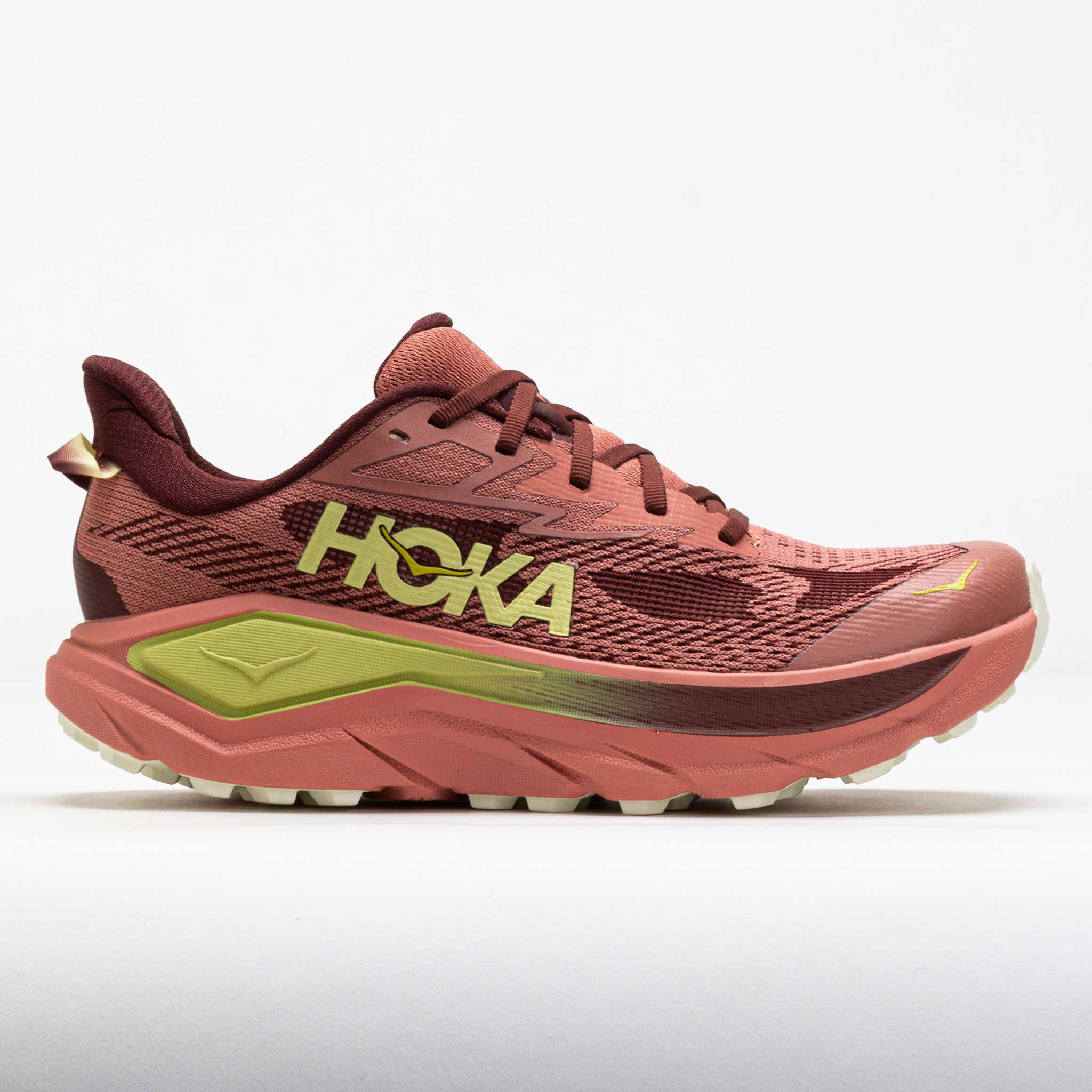
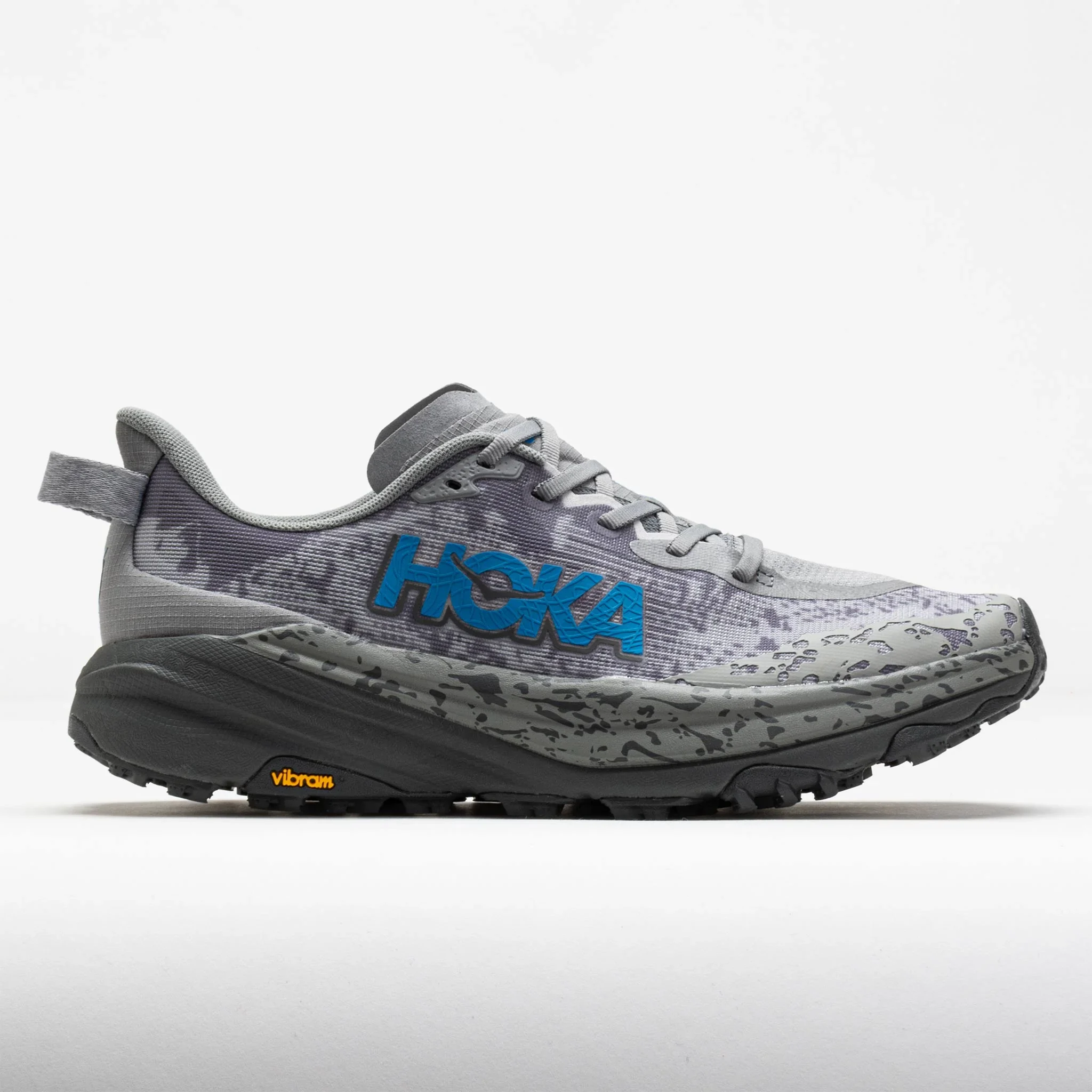
A versatile trail shoe with supercritical EVA and Vibram Megagrip. It is lighter and more responsive than the v6 while keeping secure fit and traction for long, technical trail days.
You've seen the specs.
Here's what they actually mean.
Clifton vs. Novablast tells you a lot more than HOKA vs. ASICS ever will.
Same price. Same basic job.
Very different shoes.
The Clifton smooths things out. The Novablast wakes things up.
The Clifton 11 is the more predictable of the two. It rolls through easy and steady miles without constantly calling attention to itself. That's part of its appeal. Put it on, start running and settle in.
The Novablast 6 has more energy underfoot. When you increase the pace, it responds. That gives it more range if your “daily trainer” also needs to handle long runs, progression runs or the occasional workout.
Neither approach is inherently better.
It depends on whether you want your daily shoe to disappear beneath you or give something back.
Our pick:
Clifton 11 for smooth, steady mileage.
Novablast 6 for bounce and versatility.
If we could only own one of the two, we'd take the Novablast 6.
But there's a reason Clifton loyalists keep buying another Clifton.

If HOKA owns cushioning and ASICS owns support, this should be an easy win for the Bondi.
It isn't.
The Bondi 9 and GEL-Nimbus 28 both put a lot of shoe between you and the pavement. They just define comfort differently.
The Bondi feels broad, planted and controlled. There's a lot underfoot, but it isn't simply a giant marshmallow. The platform and rocker give the shoe structure, which is one reason it crosses over so well into walking and long days on your feet.
The Nimbus feels more traditionally plush. It's softer through the transition, less dominated by rocker geometry and lighter on foot.
This is where our Race Day Insights result starts looking less surprising.
ASICS runners aren't reluctantly tolerating comfort because they need support.
They're actively choosing it.
Our pick:
Bondi 9 if you want a broad, rolling platform.
GEL-Nimbus 28 if you want softer-feeling max cushioning.
For pure running comfort, we give the Nimbus 28 the slight edge.
For walking and all-day wear, the Bondi remains one of the obvious places to start. Our best running shoes for walking guide goes deeper on that category.

Modern stability shoes have gotten much better at hiding the fact that they're stability shoes.
That's a good thing.
The Arahi 9 takes the simpler approach. It provides guidance without feeling like a giant piece of corrective hardware is fighting your foot.
The Kayano 33 feels more substantial. There's more shoe, more cushioning and a stronger sense that the platform is helping control your movement.
That makes this one less about which system is “better” and more about how much guidance you actually want to feel.
Our pick:
Arahi 9 for lighter, less intrusive guidance.
GEL-Kayano 33 for a more substantial support experience.
If stability is the primary reason you're shopping, we'd start with the Kayano.
But don't let a category label make the decision for you. A stability shoe that creates pressure or makes your stride feel awkward isn't helping just because the box says “support.”

This might be the biggest change in the entire HOKA vs. ASICS conversation.
HOKA helped make giant midsoles normal.
ASICS got very good at making them fast.
The Metaspeed Sky Tokyo and Edge Tokyo give ASICS two extremely light carbon racers with different geometries for different running styles.
HOKA has legitimate race-day weapons of its own, including the Rocket X 3 and Cielo X1 3.0.
So this isn't ASICS racing shoes versus HOKA trainers.
Both brands can go fast.
But ASICS currently has the more complete road-performance ladder: Novablast for everyday running, Superblast for long and fast training, and Metaspeed when it's time to race.
Our survey gives that story an interesting wrinkle.
Among runners planning to race in one of these two brands, 52% of the ASICS respondents were marathoners, compared with 26% of the HOKA respondents.
That's a small, self-selected sample — not market-share research.
But it is an interesting signal from actual runners choosing what they're willing to wear on race day.
If you're shopping specifically for 26.2, our Best Marathon Racing Shoes guide compares the current super-shoe field in much more detail.
Our pick for road performance: ASICS.
Not by a landslide.
But enough to call it.
Then there's the Superblast 3.
It deserves separate attention because it's one of those shoes that screws up the normal categories.
It's not a daily trainer in the traditional sense.
It's not a plated racer.
It's a huge, lightweight super trainer that can handle long runs, steady miles and faster work without feeling absurdly specialized.
And it may be the shoe that best explains what happened to ASICS.
The brand that used to conjure images of sensible stability trainers now makes one of the most interesting high-stack performance shoes on the road.
HOKA has shoes that overlap pieces of that job.
ASICS currently has the cleaner answer.
If your week includes long runs, faster training and a lot of mileage, the Superblast is a major reason to look at ASICS.
Leave the pavement and this comparison changes quickly.
HOKA wins here.
The Challenger handles the road-to-trail middle ground.
The Speedgoat is built for the real thing.
And more importantly, trail running feels central to HOKA's identity rather than something the company also happens to do.
ASICS makes good trail shoes.
But if you're choosing between these brands because a meaningful chunk of your mileage happens on dirt, we'd start with HOKA.
Pretty comfortably.
Here's the irritating answer:
The one that fits your foot.
Not every HOKA is roomy.
Not every ASICS is narrow.
And a shoe can look enormous from the outside while giving you surprisingly little usable space inside.
Forget the brand reputation for a minute.
Pay attention to three things:
Heel hold. Midfoot pressure. Toe room.
Then run in the shoe.
The one that disappears on your foot is usually the one worth buying.
There was another split in our survey that caught our attention.
47% of HOKA runners prioritized wearing what they trained in, compared with 33% of ASICS runners.
Don't turn that into a universal truth. The sample isn't large enough for that.
But it fits the personalities of the two lineups surprisingly well.
HOKA has always had an element of consistency to it. Find the geometry you like. Get comfortable. Keep rolling.
ASICS increasingly invites you to build a rotation.
Novablast for daily miles.
Superblast for long runs and workouts.
Metaspeed for race day.
One approach emphasizes familiarity.
The other emphasizes specialization.
Neither is wrong.
But that's a much more interesting distinction than saying HOKA is comfortable and ASICS is supportive.
Everyday versatility: ASICSThe Novablast 6 simply has more range.
Smooth everyday mileage: HOKAThe Clifton still does uncomplicated miles extremely well.
Maximum cushioning: ASICSNimbus 28 gets our slight edge for running comfort.
Stability: ASICSKayano 33 offers the more substantial support experience.
Road racing: ASICSThe Metaspeed lineup is excellent.
Long runs and fast training: ASICSThe Superblast 3 is difficult to ignore.
Trail running: HOKAThis one isn't particularly close.
Walking and all-day wear: HOKABondi remains one of the safest places to start.
One brand for a complete road-running rotation: ASICS.
One brand for mixing roads and trails: HOKA.
We're not going to end this with “they're both great.”
That's true.
It's also useless.
For road runners in 2026, we think ASICS has the stronger overall lineup.
The Novablast handles everyday mileage. The Nimbus covers soft comfort. The Kayano handles stability. The Superblast bridges training and performance. And the Metaspeed shoes give serious racers legitimate top-tier choices.
That's an absurdly complete collection.
HOKA still wins where HOKA feels most like HOKA: smooth rocker geometry, planted platforms, uncomplicated mileage and trail running.
And for runners who love that feel, none of ASICS' depth matters very much.
Which brings us back to the most interesting thing we found in the Race Day Insights data.
It wasn't that HOKA runners care about comfort.
Of course they do.
It was that ASICS runners care about it just as much.
The old stereotypes have collapsed.
So don't shop for the logo.
Shop for the ride.
Clifton or Novablast. Bondi or Nimbus. Arahi or Kayano. Rocket X or Metaspeed.
Put the right two shoes against each other.
Then let your feet settle the argument.


Login to your account to leave a comment.

Review gear you already use. Earn Star Points. Qualify to test free running shoes and gear.