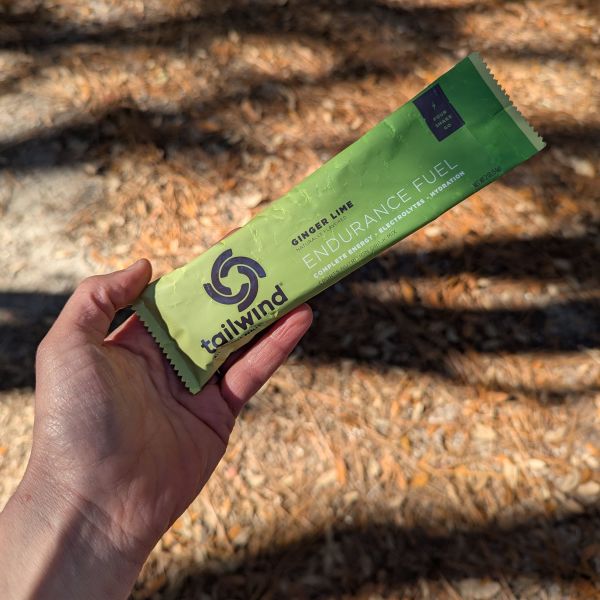
Unlock the Secrets to Running Recovery with Dr. Bonnie Wilder

Unlock the Secrets to Running Recovery with Dr. Bonnie Wilder

If you spend enough time around runners, one theme comes up again and again. We love...

  • Talking about the miles we run
  • The hard workouts, and the...
  • The races we sign up for to keep us motivated

But it’s much less common to hear a runner rave about the ways in which they recover from all of it.
.
We’ll swap race reports, compare shoe stacks, and complain about weather forecasts, yet recovery often slips between the cracks, and if we’re lucky, squeezed between work, family, and training.
.
WeeViews teamed up with physical therapist, Dr. Bonnie Wilder to change that narrative, putting recovery practices at the forefront of the conversation.
.
🏃‍➡️Together, we launched the Running Recovery Insights Project:

  • A first-of-its-kind community survey exploring how everyday runners approach recovery shoes, tools, nutrition, and habits. 
  • In just two weeks, over 180 runners from across the WeeViews community shared what’s working for them, what isn’t, and what they wish they knew sooner.

This project represents something bigger than a survey. .
It offers a window into how everyday runners who juggle careers, family time, and training take care of their bodies so they can keep doing the sport they love.
.
Here’s what we learned.
.

🏃‍♀️‍➡️Who We Heard From

Our goal was to capture the full spectrum of the everyday runner, and the community delivered.
.
Respondents represented a wide spread of training backgrounds, skill levels, and mileage groups, creating a well-rounded snapshot of how real people recover in real life.
.
A snapshot of who participated:

  • 👟59% female, 40% male, with runners in every age category represented
  • 👟44% identify as intermediate runners, 32% as competitive, and 9.4% as beginners
  • 👟Most ran 20–40 miles per week, with the highest concentration in the 30–40 mile range
  • 👟Nearly 12% compete in ultra/trail running

From beginners taking their first steps to runners with decades of experience, the range of voices showcased just how diverse and relatable the running community is.
.

⚙️What Runners Prioritize Most

When we asked, “What matters most to you in recovery?”, the answers were strikingly aligned:

  • Injury prevention (87%)
  • Reducing soreness (67%)
  • Boosting performance (39%)
  • Improving sleep (38%)

These priorities echo a familiar theme across WeeViews reviews and podcast discussions: 

  • Runners care deeply about staying healthy enough to keep running. For most, recovery isn’t about chasing marginal gains. It’s about maintaining longevity in the sport.

🔊Dr. Bonnie wasn’t surprised. During our recent chat on Episode 59 of The Hobby Jogger Podcast, she shared:
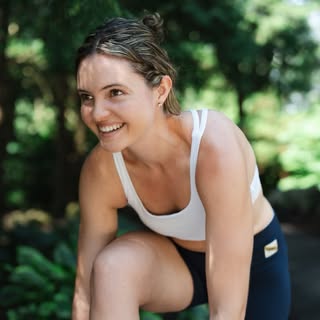
Dr. Bonnie Wilder
“Most runners just run… and then they find me and we end up having to fix those issues.”

In her work, she sees motivated athletes who push hard yet feel unsure how to structure recovery in a way that keeps their bodies resilient.
How Runners Actually Recover

While recovery can sometimes feel overly complicated, the Recovery Insights survey revealed that runners tend to lean on consistent, accessible habits, not elaborate routines.
.
Top recovery methods included:

  • ✅Stretching or yoga (67.8%)
  • ✅Nutrition — protein, hydration, balanced meals (80.6%)
  • ✅Massage guns (50%) 
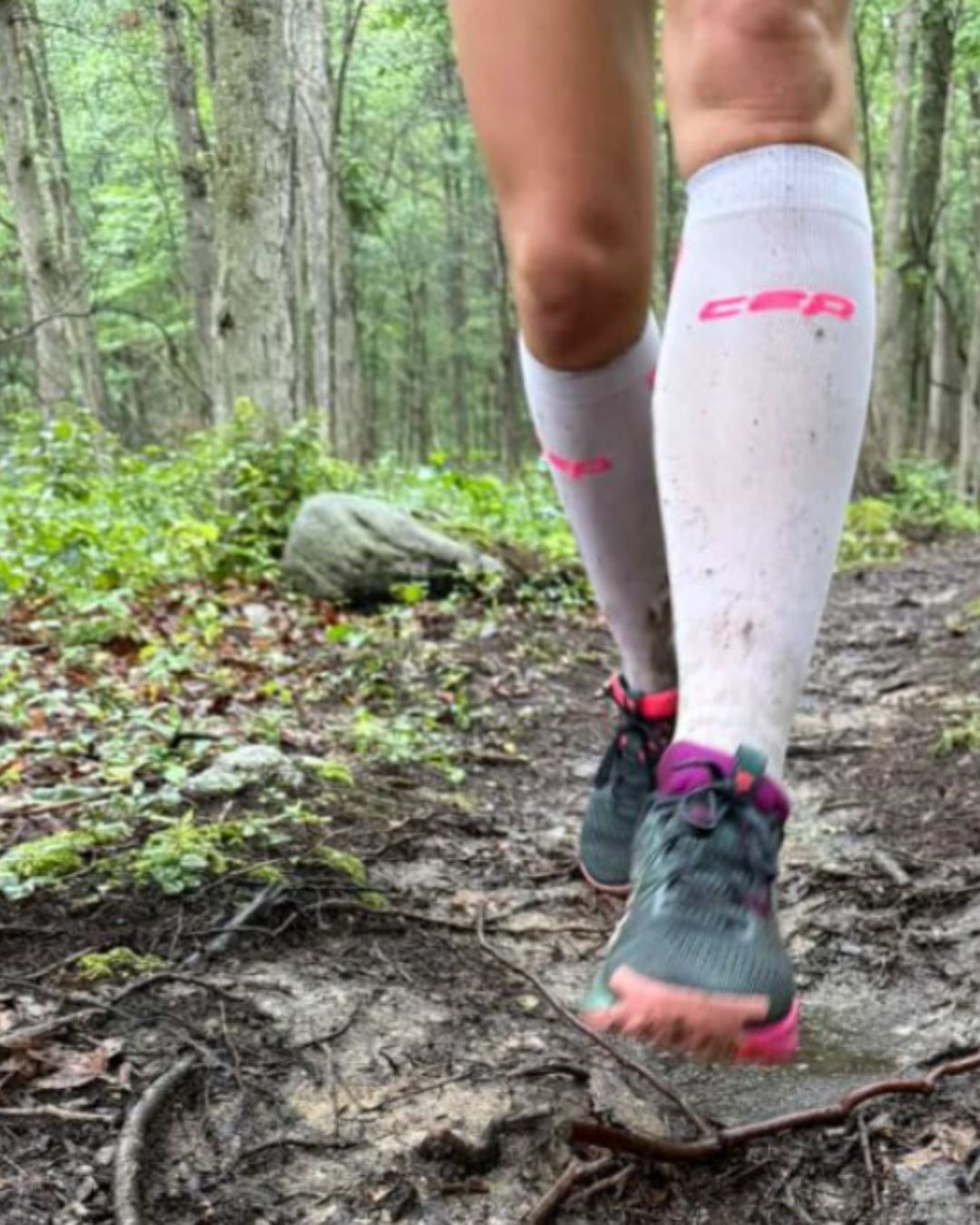
  • ✅Compression gear (35.6%)
  • ✅Cold therapy (20%) and heat therapy (32.8%)

These habits align closely with what Dr. Bonnie sees in practice. 
.
She emphasized that small, consistent actions often matter more than big interventions. Even simple posture breaks or easy movement throughout the day help: 

Dr. Bonnie Wilder
“If you just stand up every hour… you’re going to feel much better at the end of the day.”

For busy runners, this reminder is encouraging: recovery doesn’t have to be complicated to be effective.
.
Related: 10 Single Leg Exercises for Runners.
Tools That Make a Difference

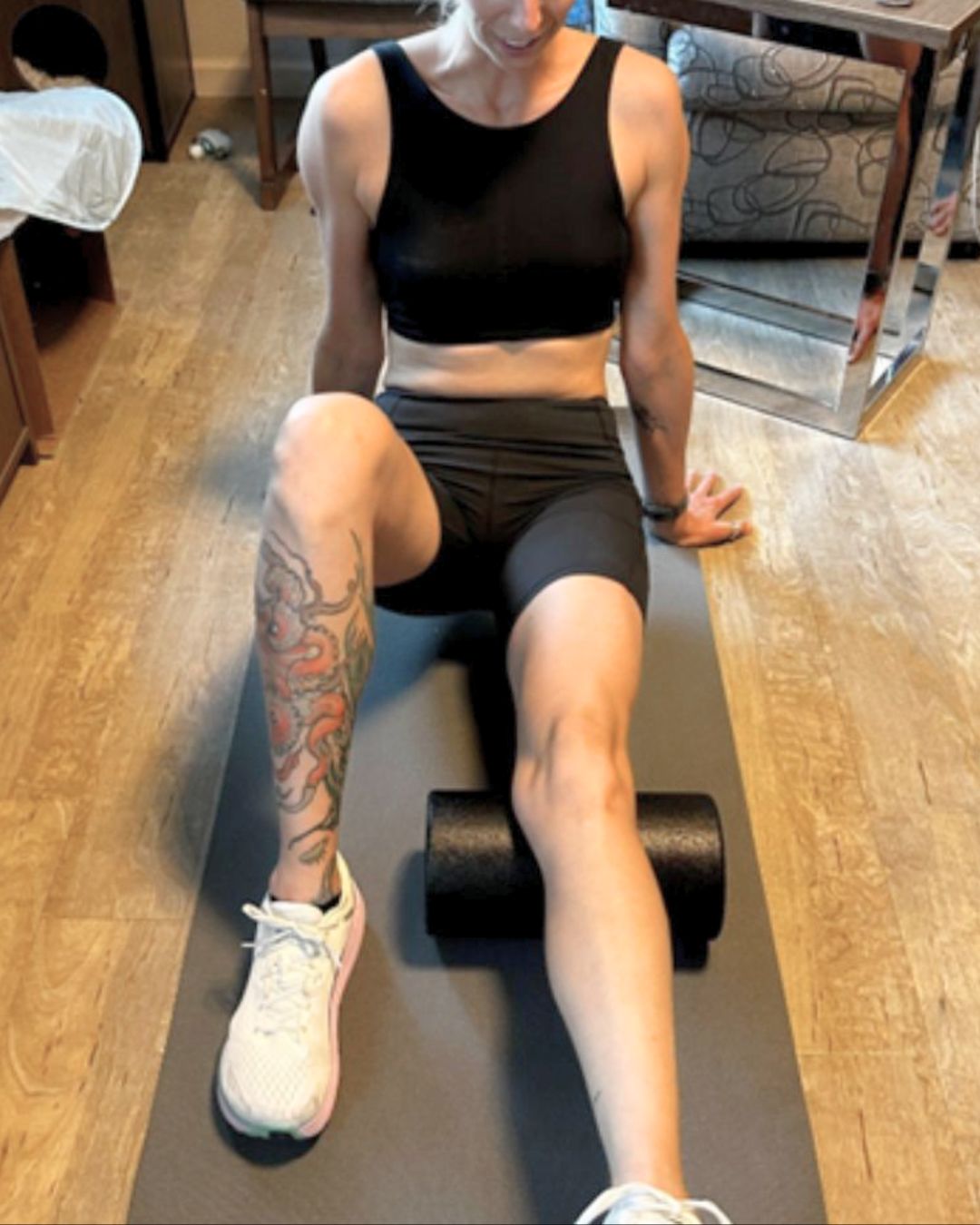
Despite the expansion of high-tech recovery gadgets, runners overwhelmingly reported that foam rollers, massage guns, and basic mobility tools remain the most effective.
.
Dr. Bonnie reinforced the idea that tools serve best as support rather than solutions. 

  • She pointed out that percussion tools, for example, can be helpful before activity but are often misused after races when tissues are already inflamed. 
  • She also noted that scraping and deep pressure modalities can improve blood flow, but they don’t address the root causes behind tightness or pain.

👉Her message was clear: use tools wisely, but don’t rely on them to replace intentional movement, nutrition, and rest.
.
Related: 16 Recovery Tools for Runners to Help You Keep Going .
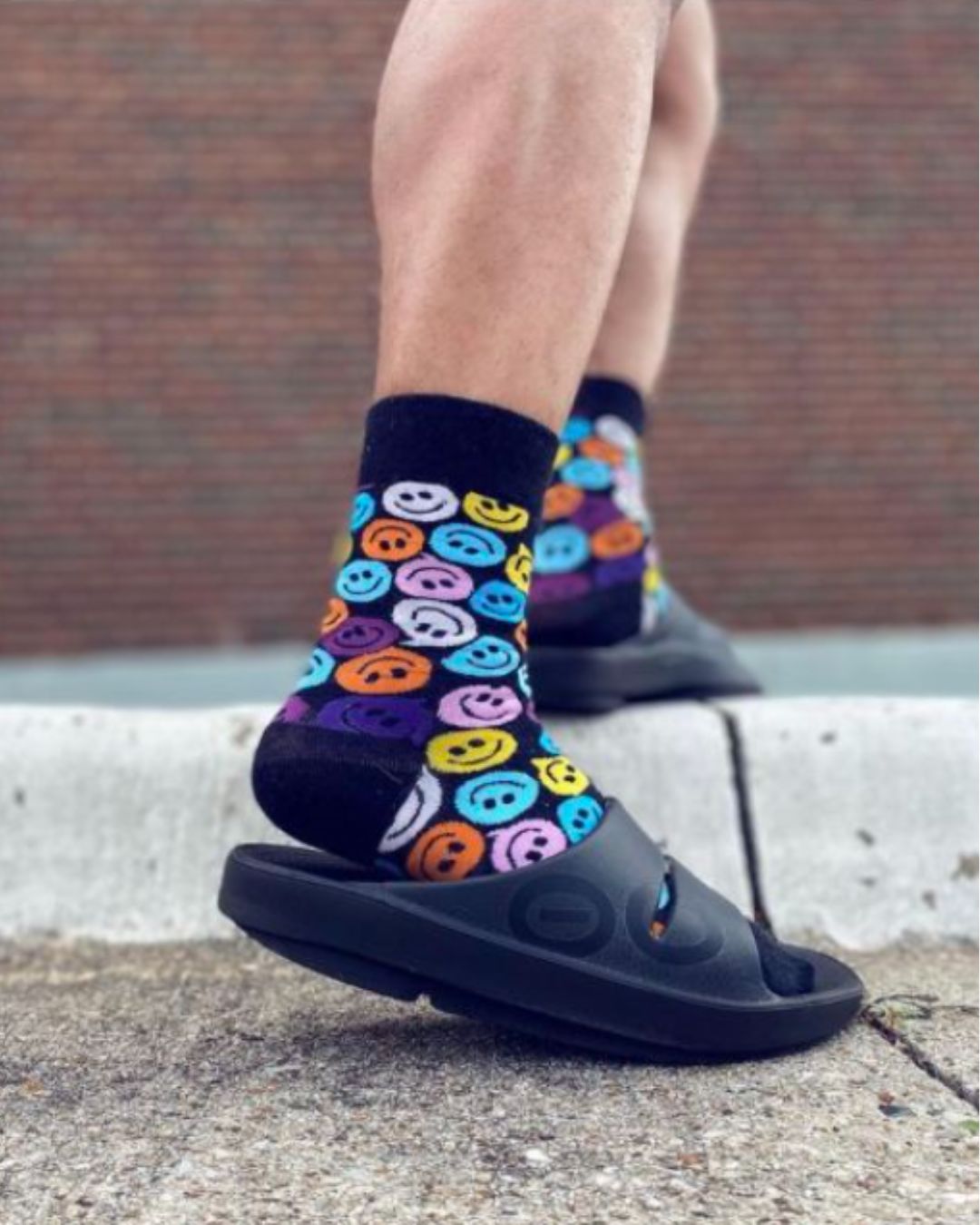
Recovery Shoes: Comfort Rules Everything Around Us

Nearly 43% of runners own a pair of recovery shoes or slides. Among those who use them, the most valued qualities were:

  • ✅Cushioning/comfort (73%)
  • ✅Price/value (50%)
  • ✅Ease of use (49.4%)

Brand interest was scattered across Oofos, Hoka, Adidas, Kane, Crocs, Birkenstock, Lululemon, and Arc'teryx showing that recovery footwear spans multiple price points and styles.
.
Dr. Bonnie explained why she gravitates toward recovery shoes herself.

  • After long days on her feet or harder efforts, softer foams help reduce tension and let her body unwind faster. 
  • She described that post-run feeling as “walking on a cloud,” a sentiment echoed in many WeeViews reviews of recovery footwear.

👇To help runners sort through options, we’ve linked some relevant reviews at the end of the article.
.
Related: 5 Recovery Shoes to Keep Your Feet Happy After Running.
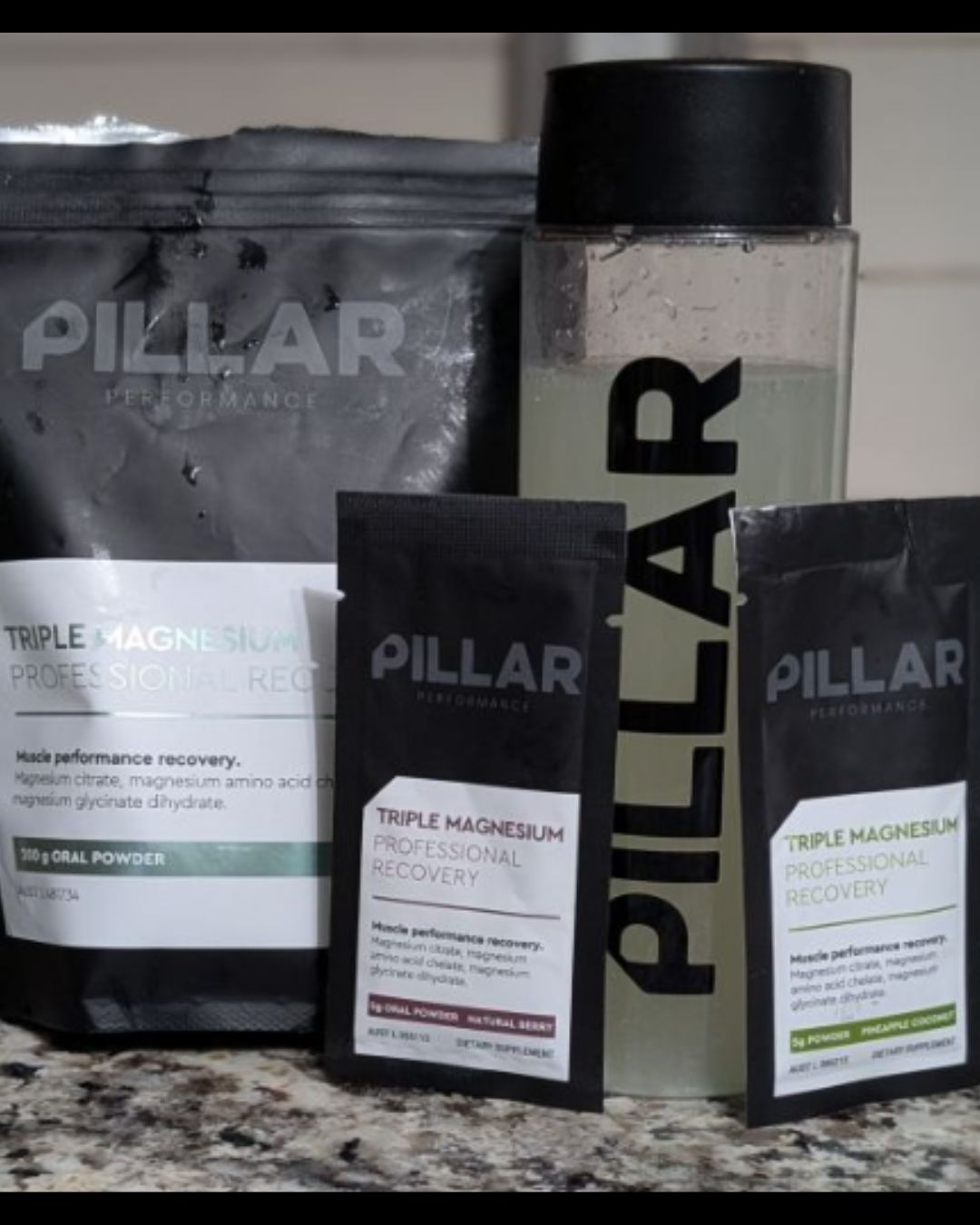
Nutrition + Supplements: Fueling the Repair Work

Survey respondents leaned heavily on nutrition to support recovery:

  • ✅65% use electrolyte drinks
  • ✅63% consume whole foods or snacks soon after running
  • ✅62% use protein shakes or bars

As for supplements, the most commonly used were:

  • ✅Electrolytes (67%)
  • ✅Protein powder (59%)
  • ✅Magnesium (41%)
  • ✅Creatine (32.8%)
  • ✅Vitamin D (30.6%)
  • ✅Collagen (26.1%)
  • ✅Omega-3 Fatty Acids (16.7%)

Dr. Bonnie emphasized that supplements can be a helpful addition, but not a magic remedy.

  • She sees magnesium as widely useful for sleep and muscle relaxation, but stressed that foundational recovery habits (like fueling well post-run and staying hydrated) should come first. 
  • She also emphasized that sleep is one of the most underrated components of recovery, noting that many runners could solve lingering fatigue simply by prioritizing rest.

Related: 8 Expert Tips to Create Your Own Endurance Nutrition Plan
.

What Surprised Us

1. Runners rely heavily on low-cost, high-impact strategies.

  • Stretching, foam rolling, and nutrition ranked far above pricey tools or services. 
  • Despite the constant marketing of new recovery gadgets, runners still lean on the basics.

2. Many runners want more guidance.
.
Across open-ended responses, runners expressed interest in understanding:

  • How to use tools properly
  • Which methods are evidence-based
  • How to recover during busy schedules
  • How to avoid common mistakes

This mirrors what Dr. Bonnie sees clinically: runners with strong effort and motivation, but limited direction.
.
3. Time and sleep remain the biggest obstacles.
  • Many runners shared that the challenge wasn’t access to recovery tools — it was finding the bandwidth to actually recover.

Where Dr. Bonnie’s Expertise Fits In

🔊In our recent Hobby Jogger Podcast episode, Dr. Bonnie unpacked what these trends mean for runners of all ability levels.
.
She highlighted three pillars of sustainable recovery:
.
1. Small habits add up

  • She emphasized the importance of micro-movements throughout the day. 
  • Think ankle circles, posture resets, and brief standing breaks. 
  • These are especially helpful for runners who spend long hours sitting.

2. Tools should support, not dominate, recovery

  • Dr. Bonnie sees runners overusing massage guns and scraping techniques when the underlying issue is mobility, strength imbalance, or fatigue. 
  • Tools, she noted, “should complement the bigger picture.”

3. Sleep is foundational

  • More than any supplement or gadget, sleep drives adaptation. Improving sleep quality and consistency pays dividends across training, mood, and injury prevention.

Related Reviews from the WeeViews Community

Our testers and reviewers have already explored many of the shoes, tools, and supplements runners mentioned in the survey. Here are some products that stood out from our survey responses:
.
🩴Recovery Shoes:

Related: Hoka vs Oofos Recovery Shoes, Hoka Recovery Shoes in 2025, Best Oofos for Recovery in 2025
.
🛠️Recovery Tools:

Nutrition, Recovery Drinks, & Supplements:

Related: Recovery Drink: 7 Runner-Tested Picks to Bounce Back Faster, 8 Runner-Tested Energy Chews to Help You Keep Going.


Rate This:


Share This:

Subscribe

and never miss our new running content!
(you also score chances to win gear)
1.1k
Abigail Lock
Ambassador
Durango, CO
31 Followers
29 Following

Writer, coach, and trail runner. NASM Certified Sports Nutrition Coach, UESCA Running Coach, and owner of Hills for Thrills C...

Comments

Login to your account to leave a comment.

Related Articles

Trending WeeViews

Image of Topo Athletic Pursuit 3
Full Review
Image of Other DexShell Neoprene Running Toe Warmers
Image of 13th Annual Snowdrop Ultra 55 Hour race & Relay
Full Review
Image of 2026 Houston Chevron Marathon
Full Review
Image of Other B-UMBRA Bucket Hat - Fractel

Join the Community

It's FAST and FREE. Create a short profile and link any desired social media accounts, personal websites or blogs.

Search

Want to Earn Free Running Gear?

We Want to Give it to You!

Earn Free Gear by Sharing Reviews