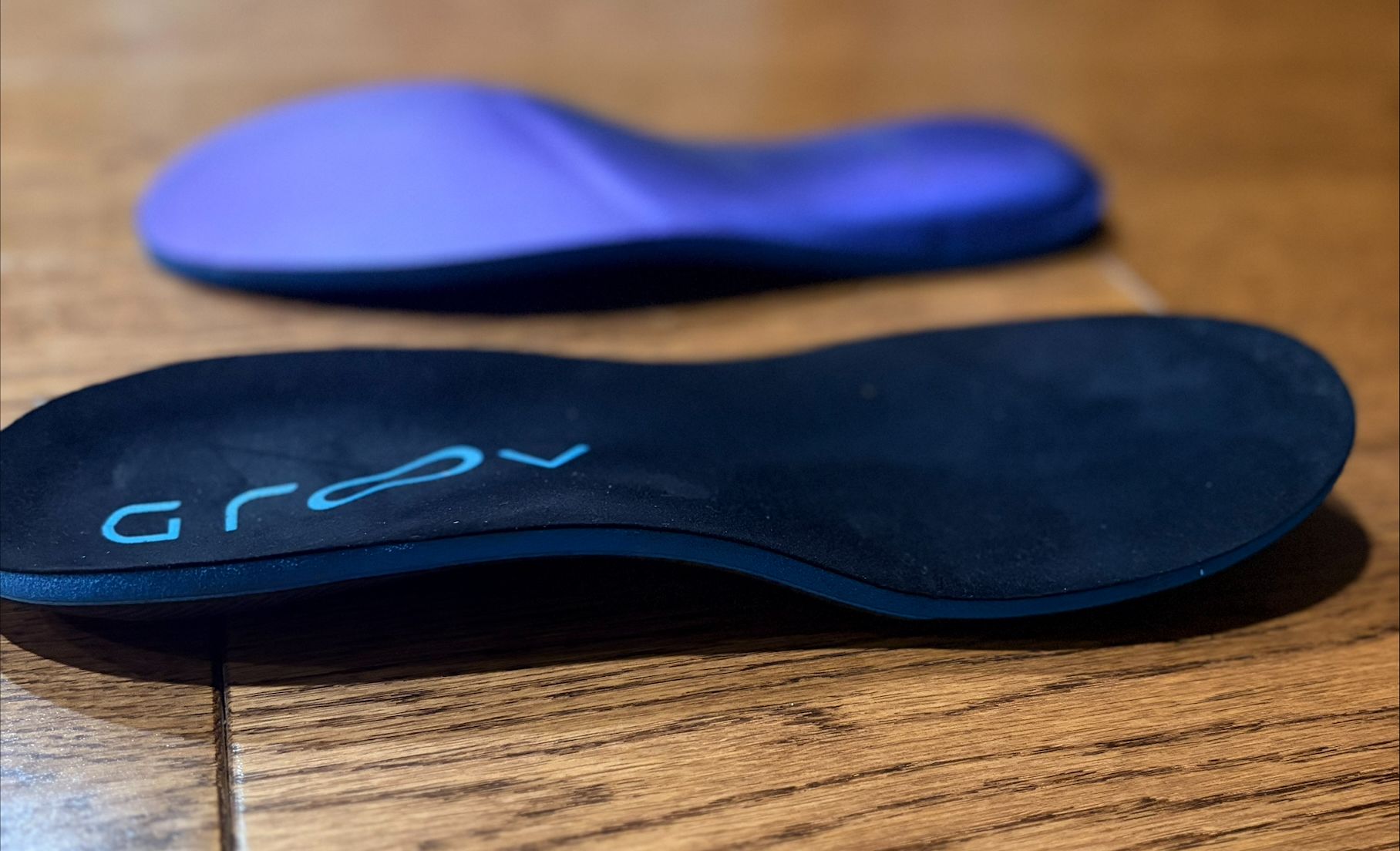
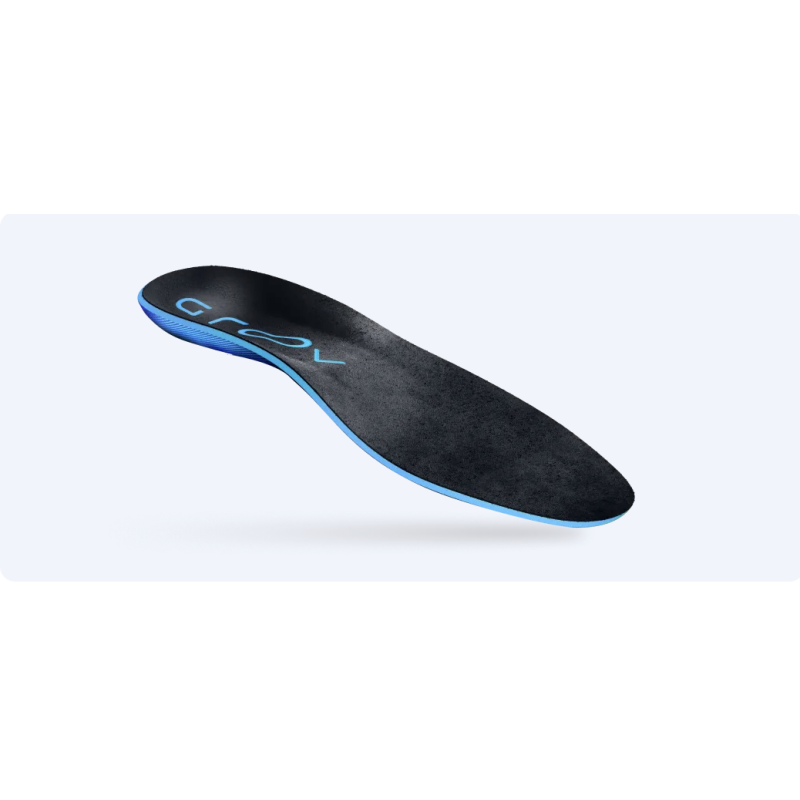
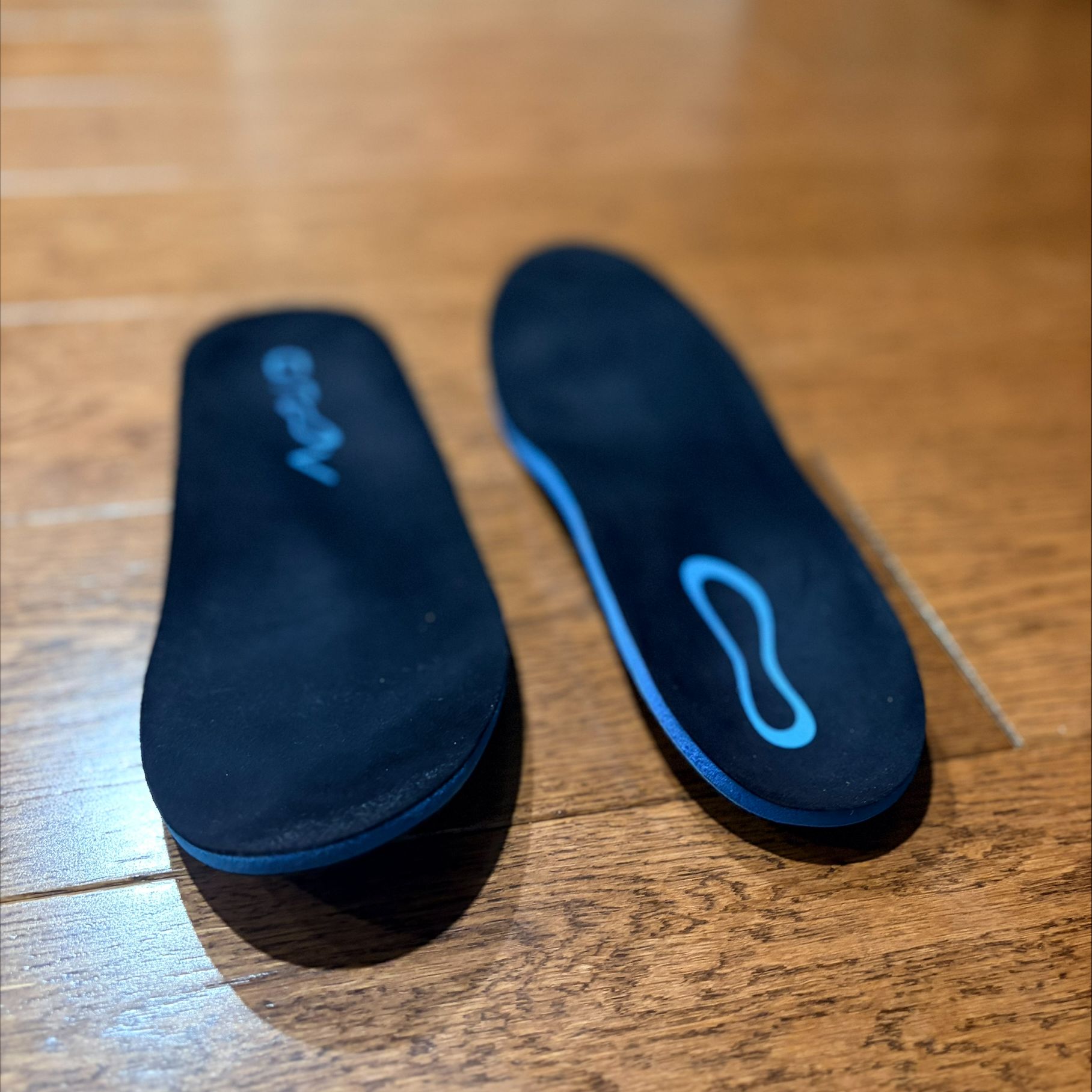
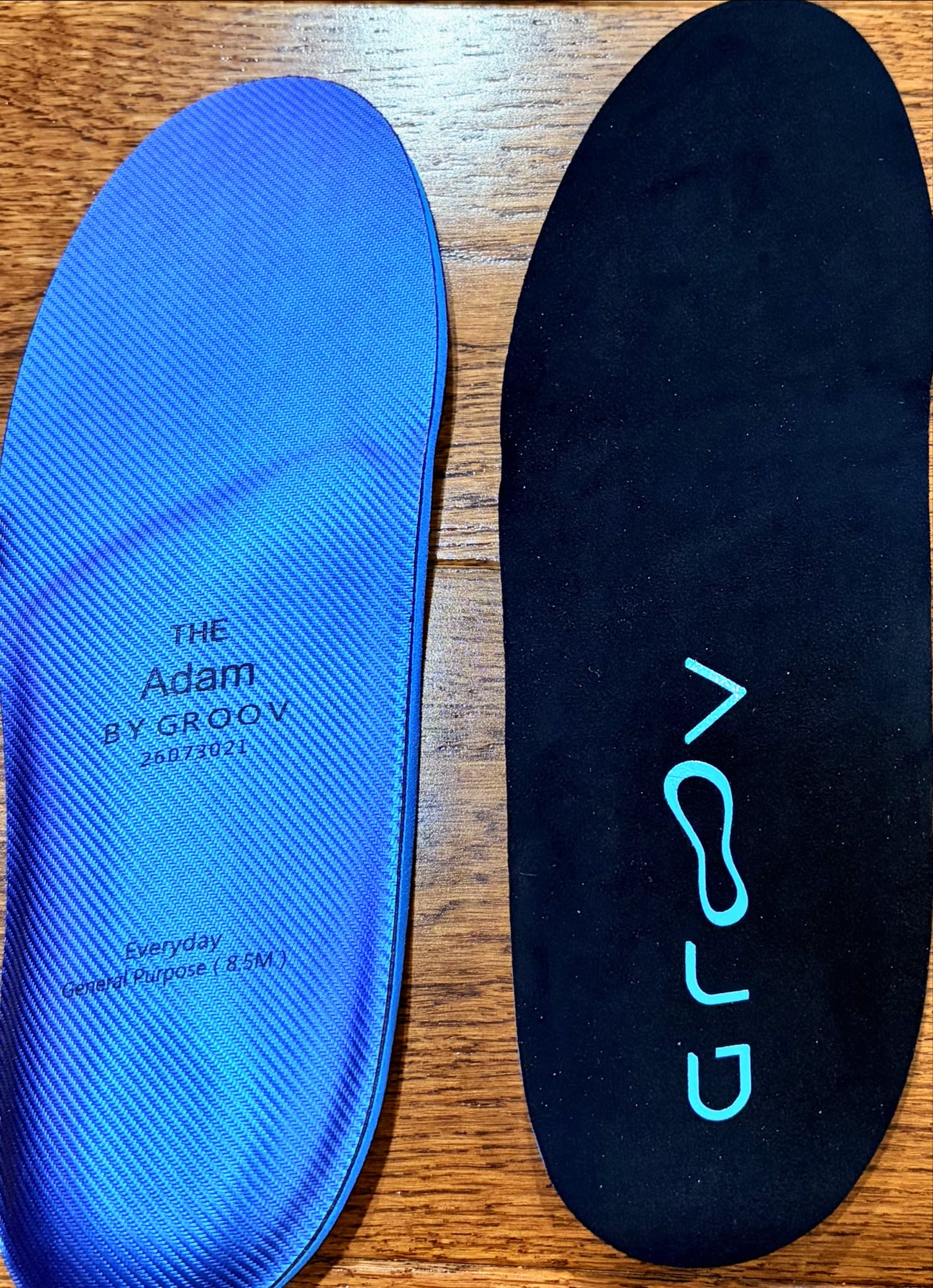
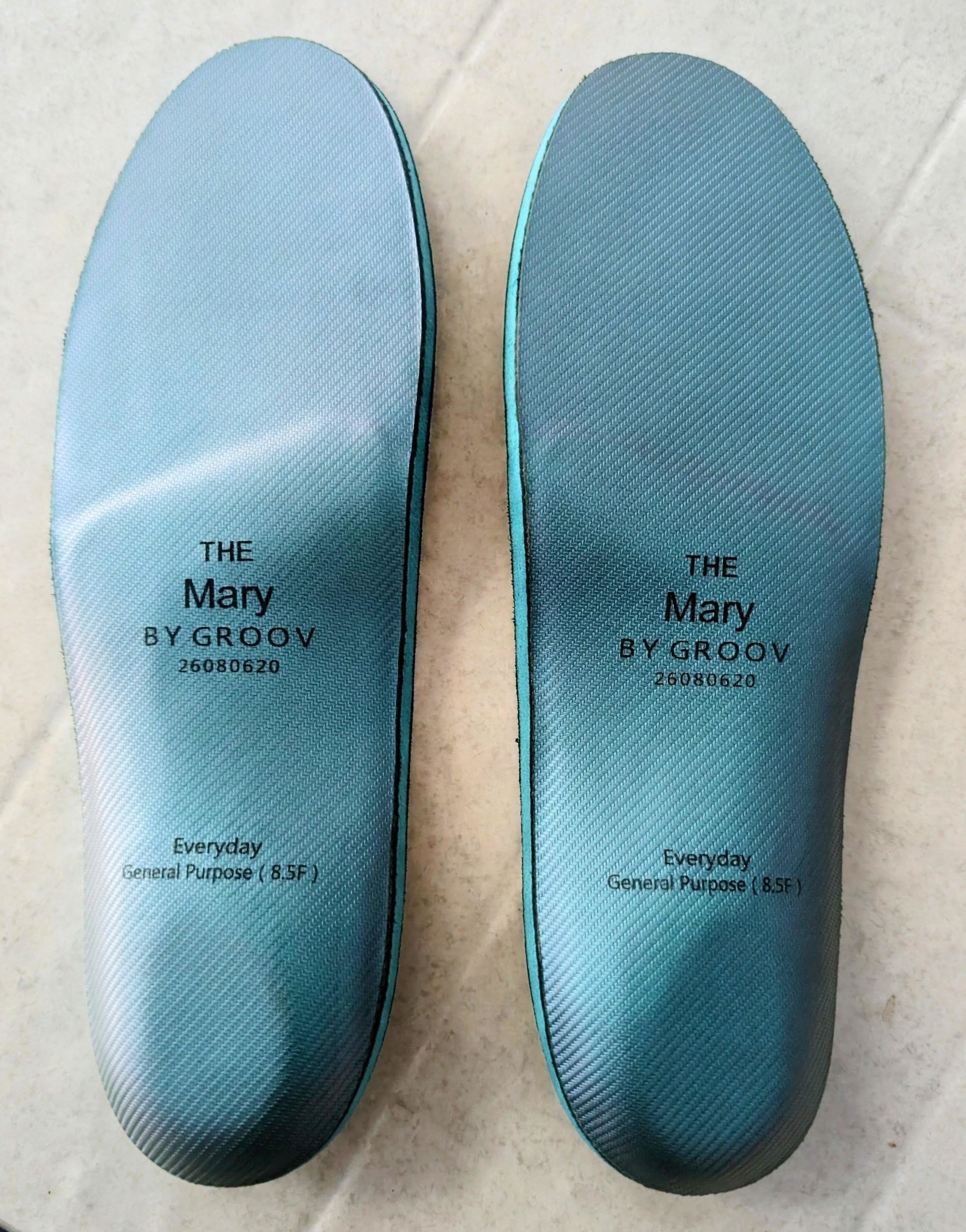
Most running shoes arrive with a thin stock insole that runners rarely think about until their feet start asking for more cushioning or support. Groov takes a more personalized approach. Using an iPhone foot scan, the company creates custom insoles shaped to the contours of each customer’s feet. The $149 Everyday is Groov’s plushest model, pairing customized arch support with soft memory foam cushioning for walking, standing, recovery, and long days on the move.
To see how that comfort translated across work, workouts, and running, two WeeViews testers put the Groov Everyday through approximately 77 combined miles, several gym sessions, and multiple eight-hour workdays.
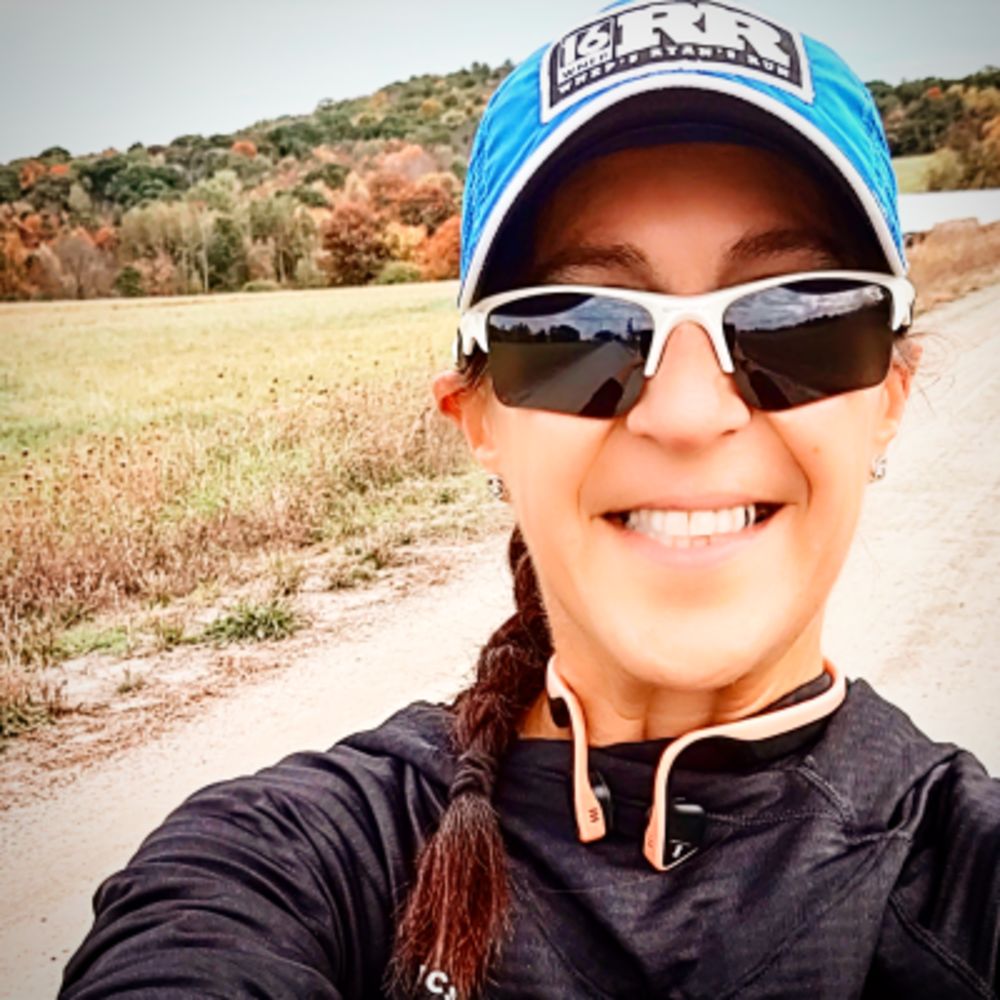
MaryAnn has higher arches, prefers cushioned stability shoes, and typically uses the stock insoles included with her running shoes. Over one week, she logged 21 running miles, completed four gym sessions, and wore the Groov insoles during five nursing shifts of at least eight hours. She also moved them between running shoes, work shoes, and boots to test their versatility.
Adam has flatter arches and normal-to-wide feet. He also usually relies on stock insoles after finding previous custom orthotics and over-the-counter options uncomfortable. During two weeks of testing, he walked approximately 42 miles in the Saucony Triumph, wore the insoles through full workdays, and completed 14 running miles in the ASICS Novablast. He also tested them in a slip-on shoe that revealed some compatibility limitations.
With different foot shapes, fit preferences, and running experiences, MaryAnn and Adam agreed on some of the Everyday’s strengths, but not all of its best uses.
If you're in the market for a performance-oriented insole, Groov also offers the Response model.
Scanning and Ordering: Easy on iPhone, Challenging on Android
Groov’s customization process begins with a digital foot scan completed using an iPhone. For Adam, an iPhone user, scanning and ordering were nearly seamless. He took a few photos of each foot, and the scans automatically connected to his order without requiring additional steps. His insoles arrived in less than one week.
“Taking the scan only took a few minutes. The scan was very easy, I only had to take a few photos per foot.”
MaryAnn’s experience exposed an important accessibility limitation: Groov’s scanning process was not compatible with her Android phone. After working with Groov to find a solution, she borrowed a friend’s iPhone and successfully completed the scan. Although she was impressed by the technology, the extra coordination made her ordering process less convenient.
For iPhone users, Groov offers a quick path from foot scan to finished custom insole. Android users, however, will need access to a compatible Apple device before placing an order.
Fit and Shoe Compatibility: Custom Support Requires Space
A custom foot shape does not guarantee a seamless fit inside every shoe. The Groov Everyday replaces the stock liner rather than sitting on top of it, and the available space inside the shoe played a major role in each tester’s experience.
MaryAnn found the insole easy to move between her running shoes, work shoes, and boots. Her first attempt felt tight, but removing the original stock insole created enough room for the Groov to sit properly.
Adam had a more complicated adjustment. Shoes that felt loose with their original liners became tight across the top of his feet with the Groov installed. He also noticed the added support shifting his weight forward and creating an unfamiliar sensation beneath his arches. Both issues became less noticeable with continued use, but the insoles never fit properly in his slip-on shoes.
“At first I really felt like I was walking on my toes. The shoes I was wearing were loose fitting with the stock insole but were very tight with the Groov insole. Over time both of these factors changed and they were more comfortable.”
The Groov Everyday worked best in shoes with removable liners and enough interior volume for its cushioning and arch support. Runners with snug-fitting shoes, low-volume uppers, or slip-on styles may have fewer compatible options.
Everyday Comfort
This is where the Everyday insole earns its name.
Long days on their feet were where both testers found the Groov Everyday most convincing. Its combination of soft cushioning and personalized arch support provided a more substantial underfoot feel than the stock liners MaryAnn and Adam typically use.
MaryAnn wore the insoles through five nursing shifts of at least eight hours, along with walking and gym sessions. Despite moving them between several types of footwear, she found the cushioning consistently comfortable without feeling excessively thick beneath her feet.
“They are comfortable with the right amount of cushion and not thick, fits well in all shoes.”
Adam reached a similar conclusion after wearing the Groov Everyday for approximately three miles of walking per day and during eight-hour workdays. He had previously abandoned custom orthotics because their rigid construction felt uncomfortable, but he appreciated the Groov’s greater flexibility. Most importantly, he noticed less fatigue after spending a full day standing and walking.
“After wearing them for a full work day I didn’t feel as tired as I usually do.”
Although their foot shapes and support preferences differed, both testers found the Everyday best suited to walking, working, and extended time standing. For runners looking to make recovery days or demanding work shifts easier on their feet, that all-day comfort is the insole’s clearest strength.
Running Performance
The Groov Everyday produced the biggest divide once MaryAnn and Adam started running. Its soft cushioning and pronounced support suited MaryAnn’s preferences, while Adam found that the same construction made his shoes feel heavier and more restrictive.
MaryAnn logged 21 running miles in the insoles. As a runner with higher arches who prefers well-cushioned stability shoes, she appreciated the supportive underfoot feel. Once she removed the stock liners to create enough space, the Groov fit comfortably and did not cause heel discomfort during her runs.
“Really helped me with my runs. No issues what so ever and comfort was amazing. No pain in my heels at all during my runs, walking or workouts.”
Adam completed runs of 3-6 miles in the ASICS Novablast. Although the insoles became more comfortable with continued wear, he preferred the firmer feel of his usual running setup. The Groov felt heavier underfoot and reduced space through the shoe, making it an option he would reserve for walking and work rather than longer or faster runs.
“As for running I felt they were a little heavy and tight around the midsole. I would not want to wear these for a longer run or workout.”
The Everyday can work for running, particularly for runners who prioritize plush cushioning and noticeable arch support. It is less likely to appeal to runners who prefer a lighter, firmer, or less intrusive feel. Shoe volume matters here, too: even a custom insole can disrupt the ride if it makes the upper feel cramped.
Durability and Value: Is the Groov Everyday Insole Worth $149?
At $149 per pair, the Groov Everyday costs about as much as many running shoes. That price makes long-term durability an important part of its value, but in reality, one or two weeks of testing is not enough for either reviewer to estimate a reliable lifespan, so they did their best to monitor for premature signs of wear.
MaryAnn gave the Everyday five stars for value. After moving the insoles between running shoes, work shoes, and boots, she believed the customized support and consistent comfort justified the investment. Her experience was especially positive because she noticed a meaningful difference across running, workouts, and long nursing shifts.
“They are a bit pricey but if they help prevent issues and help with my running and training they are well worth the investment”
Adam gave the value three stars. Although he appreciated feeling less fatigued after work, the improvement was not significant enough for him to spend the price of another pair of shoes. Greater shoe compatibility and several years of dependable use could change that calculation.
“After just 2 weeks it’s hard to say how long they will last. If they lasted several years I would consider it but for the price of a pair of shoes I don’t think there is enough of a difference.”
The Everyday’s value ultimately depends on how often it will be used and how much improvement it provides over a stock insole. Someone who wears the same compatible shoes through long shifts may get more from one pair than a runner who rotates frequently or already feels comfortable with standard insoles.
Who Should Buy the Groov Everyday Insole?
The Groov Everyday is best suited to runners and other active people who spend long hours standing or walking and want more cushioning and personalized arch support than a stock liner provides. Nurses, retail workers, teachers, travelers, and anyone facing full days on their feet are the clearest audience.
“I would recommend the Groov Everyday to anyone who is on their feet a long time with their job. Excellent for runners, health care professionals.”
The Everyday may also work for easy running if you enjoy plush cushioning, noticeable arch support, and have enough room inside your shoes. MaryAnn found it comfortable across 21 running miles, but Adam’s experience suggests it is not a universal replacement for a stock running-shoe insole, especially for longer runs or faster workouts.
Before buying, make sure you have access to a compatible iPhone and plan to use the insoles in shoes with removable liners and enough interior volume. Runners who prefer a light, firm, or less noticeable underfoot feel—as well as anyone relying on snug or slip-on shoes—may be better served by another option.
Bottom line: The Groov Everyday makes its strongest case as a customized comfort upgrade for long days, walking, and recovery. Its running value depends more heavily on shoe compatibility and personal ride preference, while its $149 price will be easier to justify for people who expect to use one pair frequently.