Upload / Capture
Pre-Race Experience & Logistics
The Philadelphia Distance Run sets a strong tone early with clear communication and a well-organized expo and packet pickup process. However, race morning requires proactive planning. While not a Philadelphia native—typically only visiting the city for races—locking down a reliable parking routine is essential. Do not just roll into the city hoping to find a spot near the start line, or you will be severely disappointed. Find a garage early, reserve your spot, and understand exactly how the walk from your car will impact your morning timeline. My own walk from the garage to gear check ended up being about a mile—which, as it turned out, was the only "warm-up" I got in.
The Course & Standout Moments
The start line delivers an electric feel that carries directly into the race, bolstered by excellent on-course entertainment and a highly energetic atmosphere. Three standout moments truly define the experience:
Weather-wise, my race window was oddly perfect. It had been raining on the drive in, and there was a light drizzle during the race itself, but the humidity from the approaching storm meant a singlet was exactly right—I run hot and sweat a lot, so I'd worried it would be too cool. It wasn't. About twenty minutes after I finished, it poured. Hard.
On-course nutrition was well handled: the first stop was water only, with water and Gatorade at every stop after that, and GU stations at miles 6 and 8 on the looped course. Spacing felt even and predictable throughout.
Opportunities for Improvement
The primary area for improvement is the gear check process. Unpredictable late-summer to early-fall weather transitions can be tricky, and rain prompted more runners to check dry clothes than anticipated—myself included; I don't normally gear check, but the forecast made it an easy call. The half marathon gear check was severely understaffed with only two volunteers working. Even though the 5K had already started, the 5K volunteers were not redirected to assist. Getting through the line took nearly 20 minutes when it should have taken about five—which meant I lost my corral assignment, dropping from corral 3 to corral 4. That's not just a formality: starting farther back meant weaving through slower runners in the early miles instead of running a clean tangent, burning energy I hadn't planned on spending before mile one.
Race Performance
I'd planned to run this conservatively—9:00/mile, nothing to prove. Instead, I negative-split the whole thing, closing around 8:10/mile average with the final two miles dropping into the 7:30s and 6:30s. Heart rate climbed steadily the whole way (140 early, 180s by the finish), but it never felt like I was overreaching—I felt comfortable and had plenty left after crossing the line. The honest question I kept circling during the race: could I hold that pace for a full marathon? I'm still not sure. But it's the kind of data point that's worth banking for future training.
The Finish Line Festival
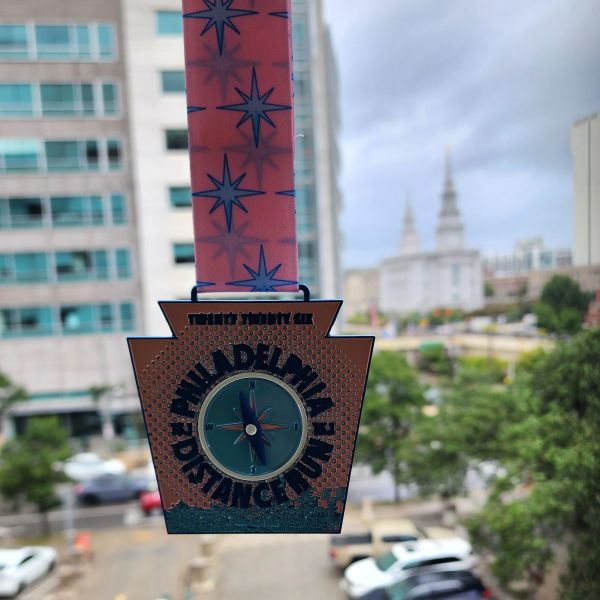
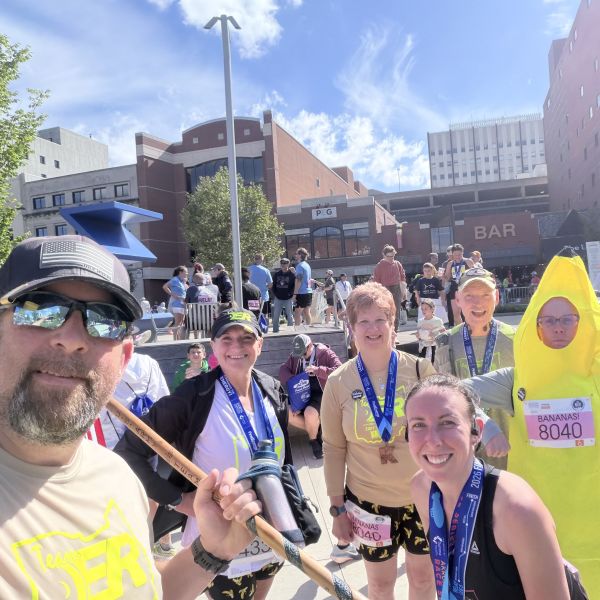
Once across the finish line, the post-race festival provides a great setting to celebrate the effort—bananas, chips, water, and Philly's signature move: the big soft pretzels, not the bagged kind. There's also a Rita's stand and a beer garden from Yards Brewing for anyone sticking around. Between the reliable organization, the careful course management, and the strong community backing, the Philadelphia Distance Run stands out as a highly recommended event—whether you're testing your medal on your first 13.1, pairing it with the 5K the day before, or lining up to chase the podium. Just remember to check the forecast, pack your own trusted on-course nutrition to ensure consistent fueling, and secure your parking well in advance.
Login to your account to leave a comment.


Review gear you already use. Earn Star Points. Qualify to test free running shoes and gear.