Aero Glide 4 GRVL Review: Do You Actually Need a Gravel Shoe?

Aero Glide 4 GRVL Review: Do You Actually Need a Gravel Shoe?

David Moore

Posted Apr 28, 2026

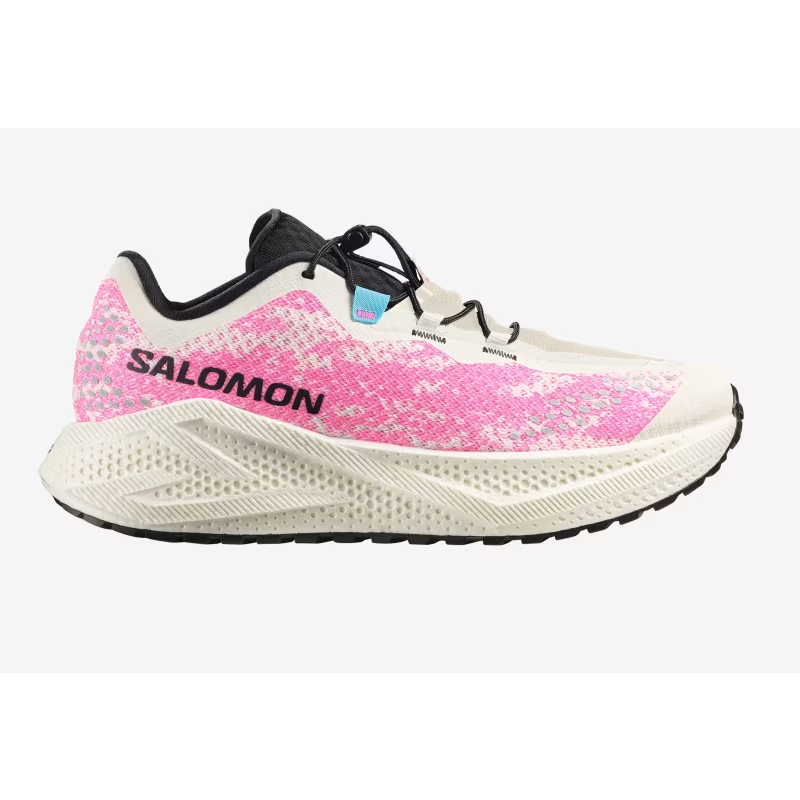
The Salomon Aero Glide 4 GRVL is a road shoe first — but one that performs noticeably better when surfaces get inconsistent. Think gravel, crushed limestone, light trail, or snow-covered roads.

Total
Form
Performance
Value
As an Amazon Affiliate WeeViews earns from qualifying purchases.

Shop Now
Aero Glide 4 GRVL
4.2/5
(1)
Pros
  • Road-like ride — soft, cushioned, and responsive without feeling clunky on pavement
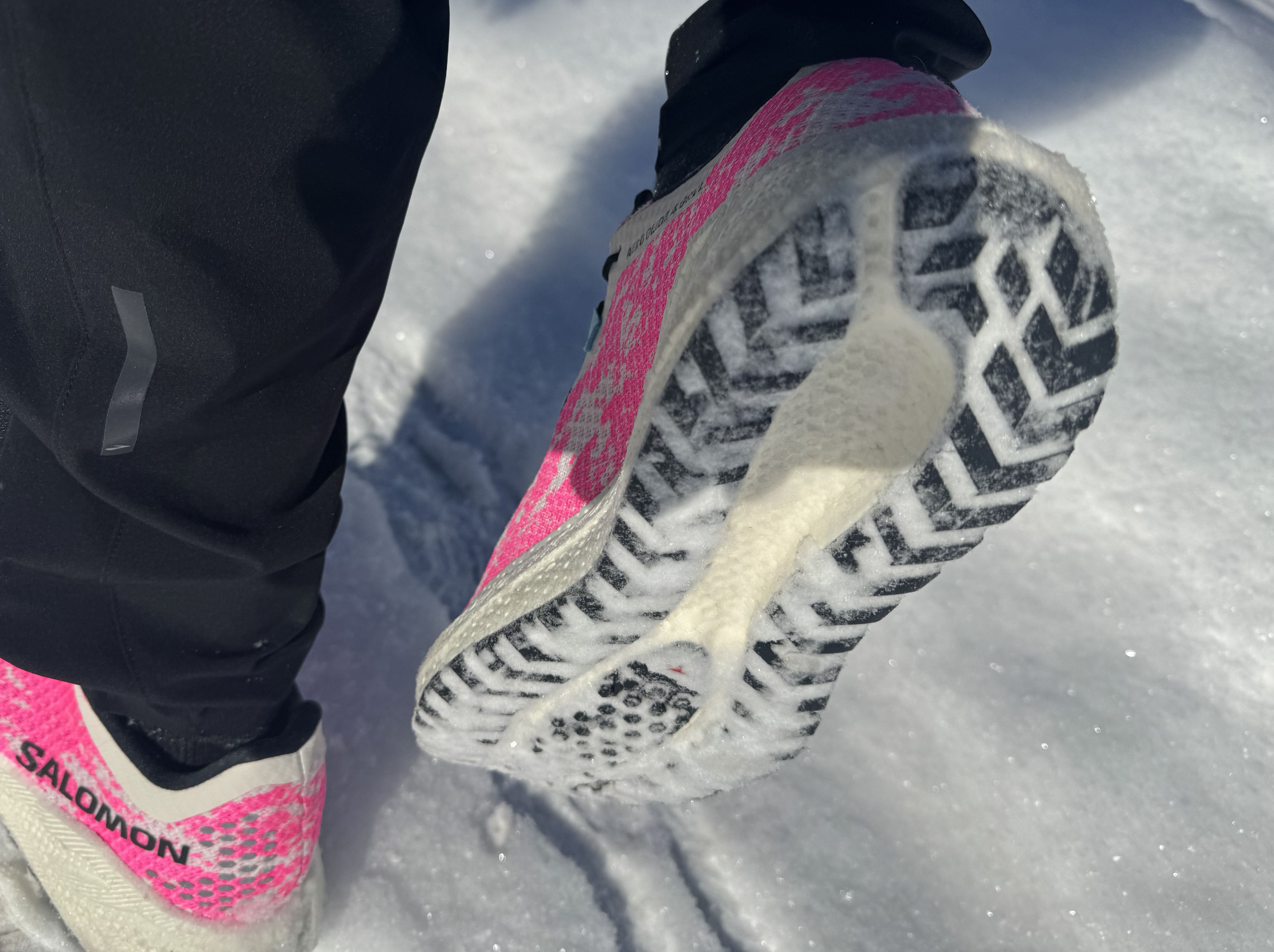
  • Traction upgrade over road shoes — noticeable grip improvement without going full trail lug
  • Perfect for in-between conditions — shines on snow-covered roads, gravel, and crushed limestone where road shoes slip and trail shoes feel like overkill
Cons
  • Limited on technical trail — lacks bite and precision for uneven, steep, or highly technical terrain
  • Quicklace update is underwhelming — still good but one-handed feature doesn’t add much over standard system

Aero Glide 4 GRVL Review: Do You Actually Need a Gravel Shoe?

First Impressions: Why I Tried a Gravel Shoe

I got my first look at the Salomon Aero Glide 4 GRVL at The Running Event at the end of 2025. Every brand seemed to be pushing a “gravel” category, and I wasn’t totally sold on whether it was real or just marketing.

Salomon’s version caught my attention because I had seen strong feedback on the Aero Glide 3 road shoe, and I liked the idea of a road-based platform with a bit more versatility. The one-handed Quicklace system also stood out.

Going in, I expected something closer to a trail shoe. That’s not what this is.

This feels like a road shoe first — just one that’s better equipped for mixed surfaces.

The Gravel Concept (Does It Actually Make Sense?)

After a couple runs, I do think this category has a place.

The idea is simple: take the cushioning and ride of a road shoe and add just enough traction and protection to handle surfaces like gravel, crushed limestone, light trail, or even winter conditions.

That’s exactly what this shoe does.

Salomon positions it as a “mixed terrain” shoe designed to move between surfaces without thinking about it — and that lines up pretty well with how it performed for me.

I have 40+ total miles in the Salomon Aero Glide 4 GRVL, but two runs really defined the shoe for me: one on snow-covered winter roads and another mixed route with road, gravel, and light trail. Those two use cases showed me exactly where this shoe makes sense — and where it starts to reach its limits. 

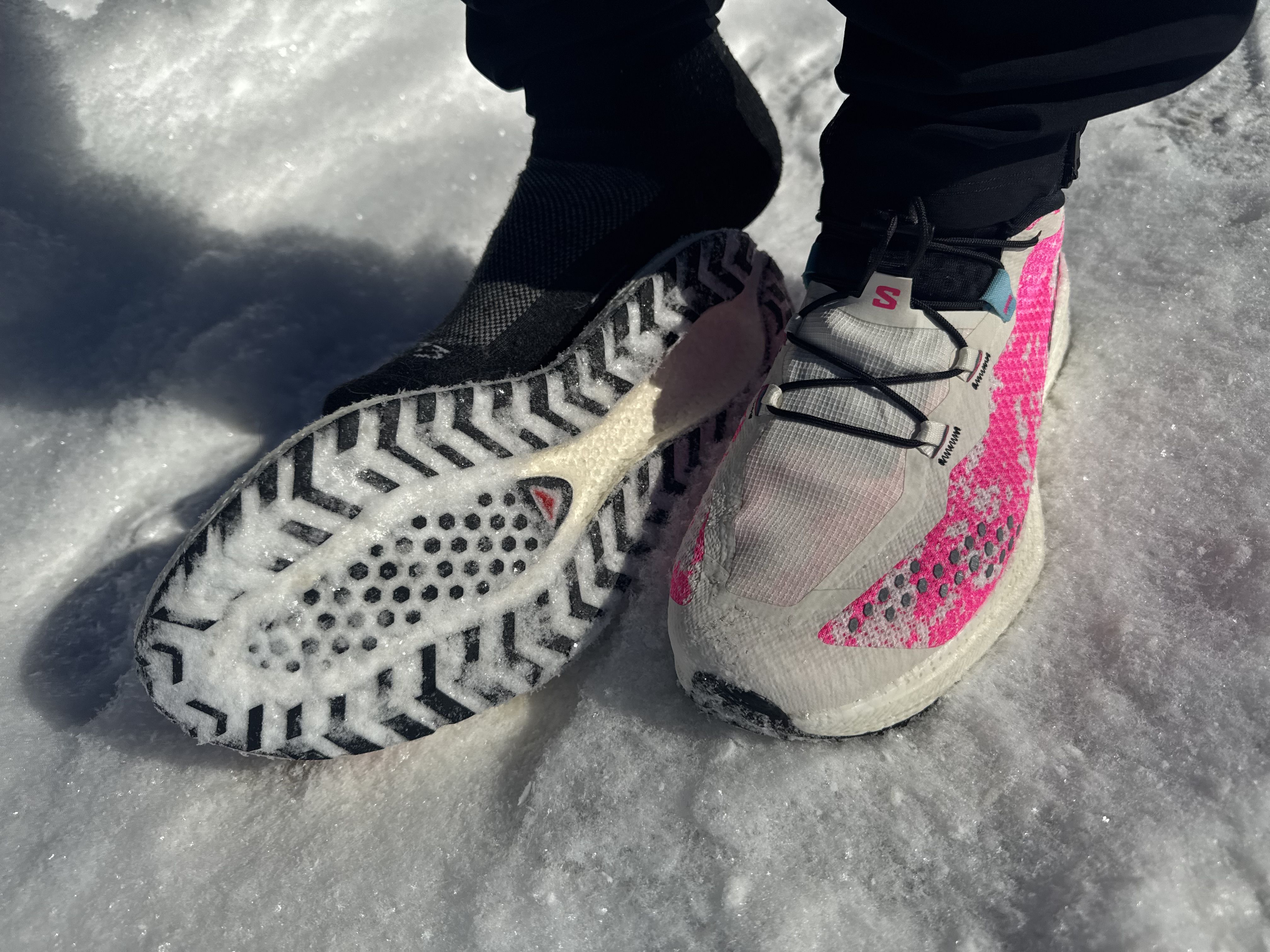
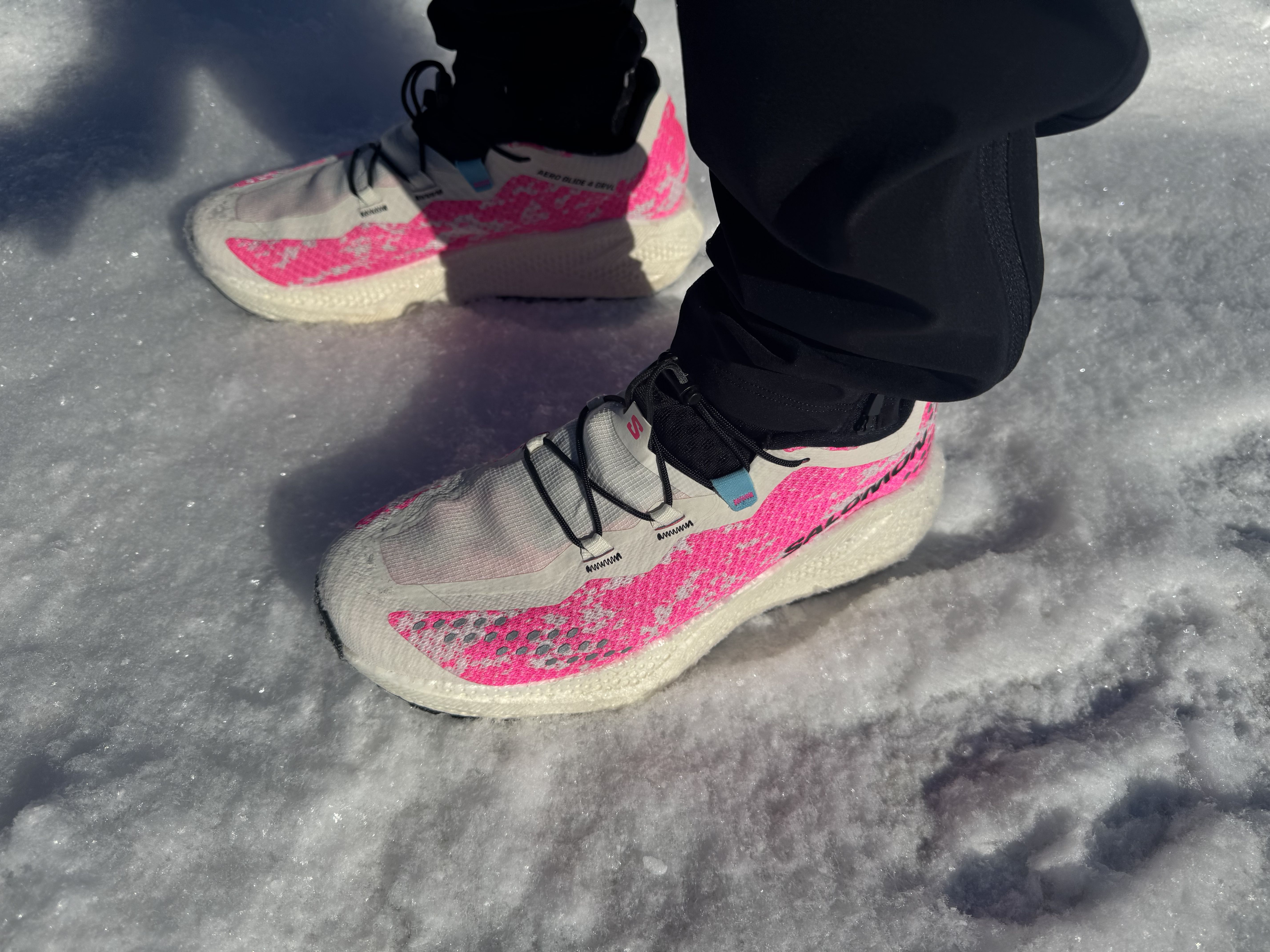
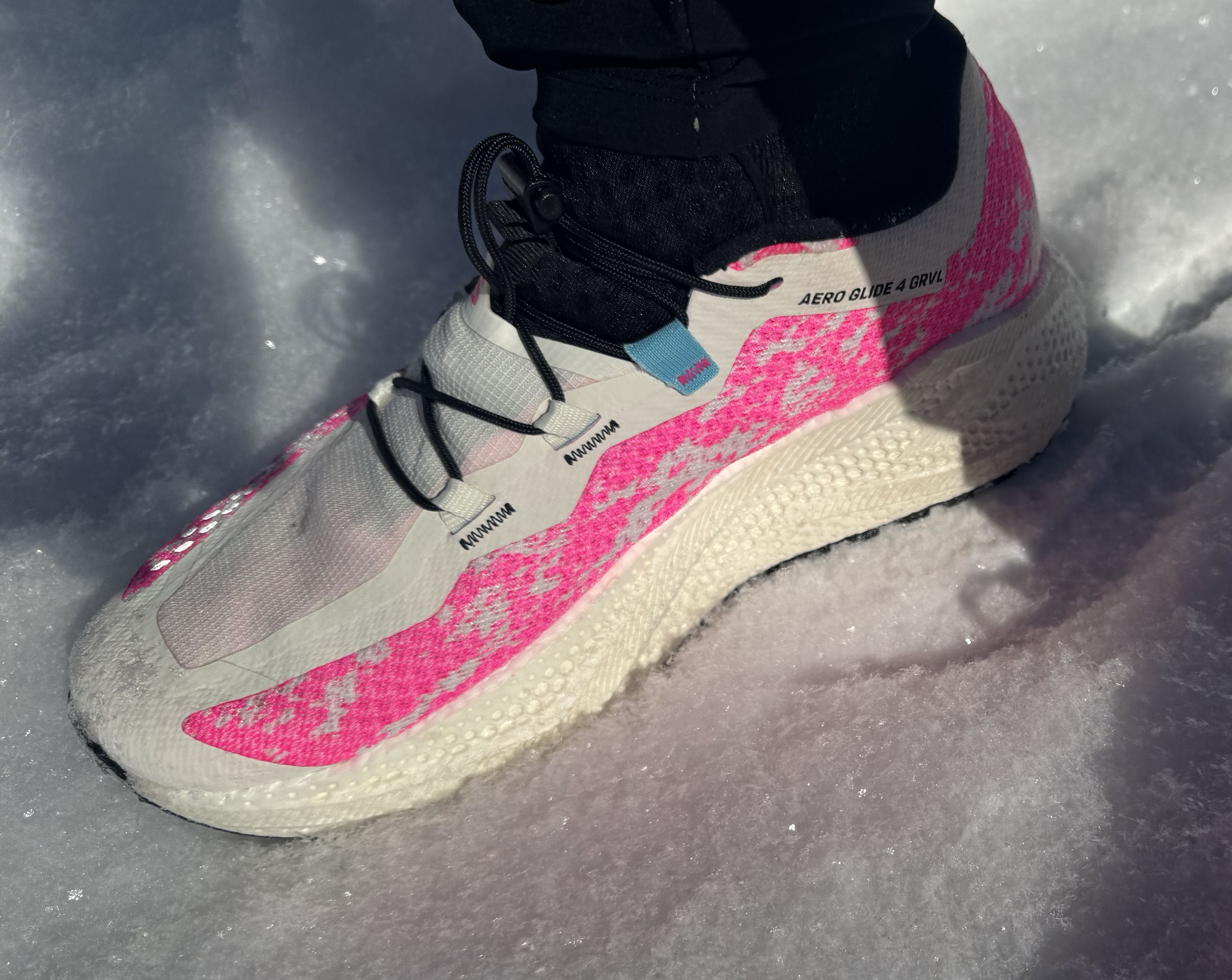
Run #1: Snow-Covered Roads (Where This Shoe Shines)

This was the most interesting use case for me.

I ran in cold NE Ohio conditions where the roads were covered in packed snow — not fully plowed, not fully iced. That annoying middle ground where:

  •  road shoes feel sketchy 
  •  trail shoes feel like overkill 

This is where the Aero Glide 4 GRVL clicked.

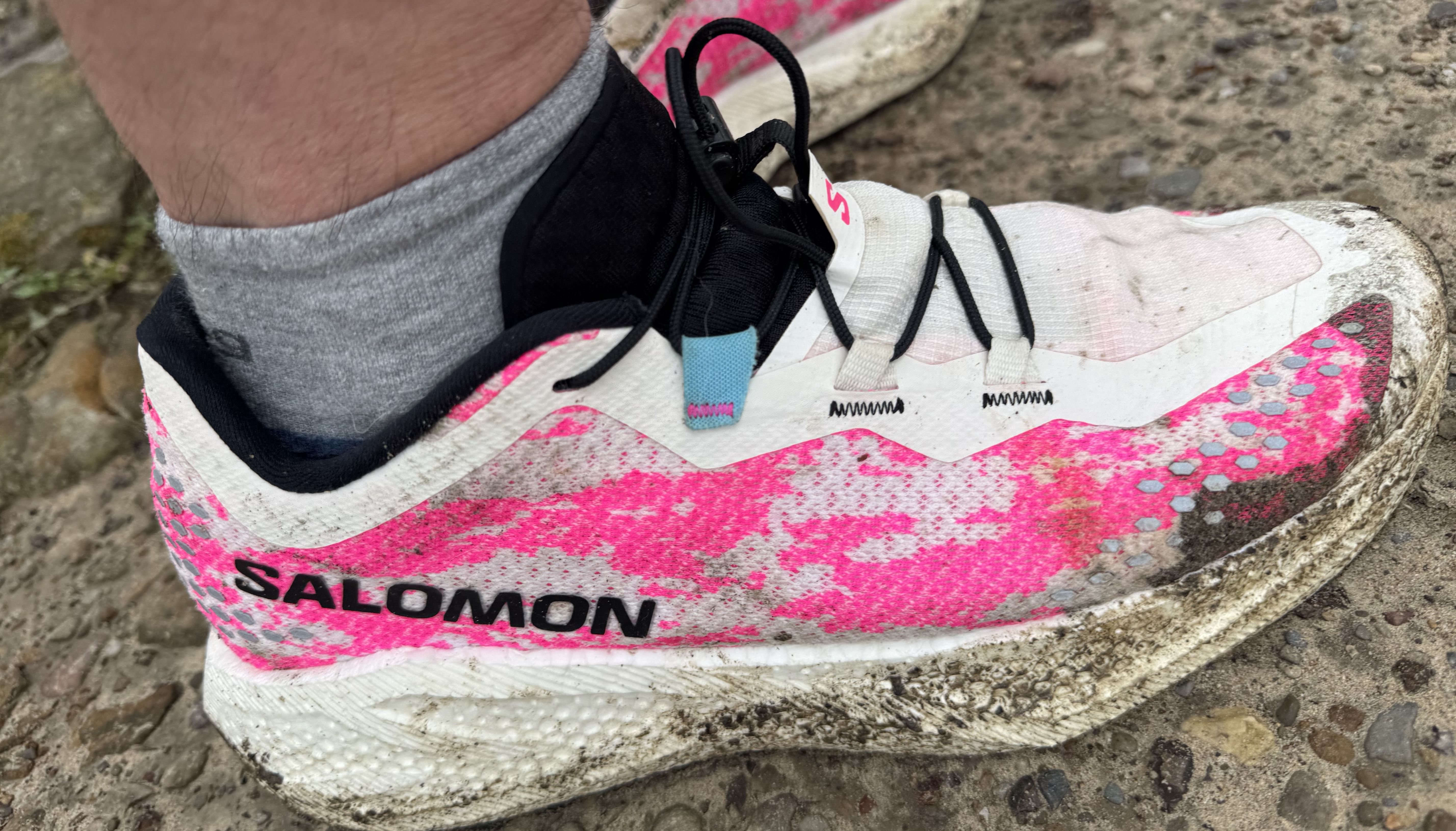
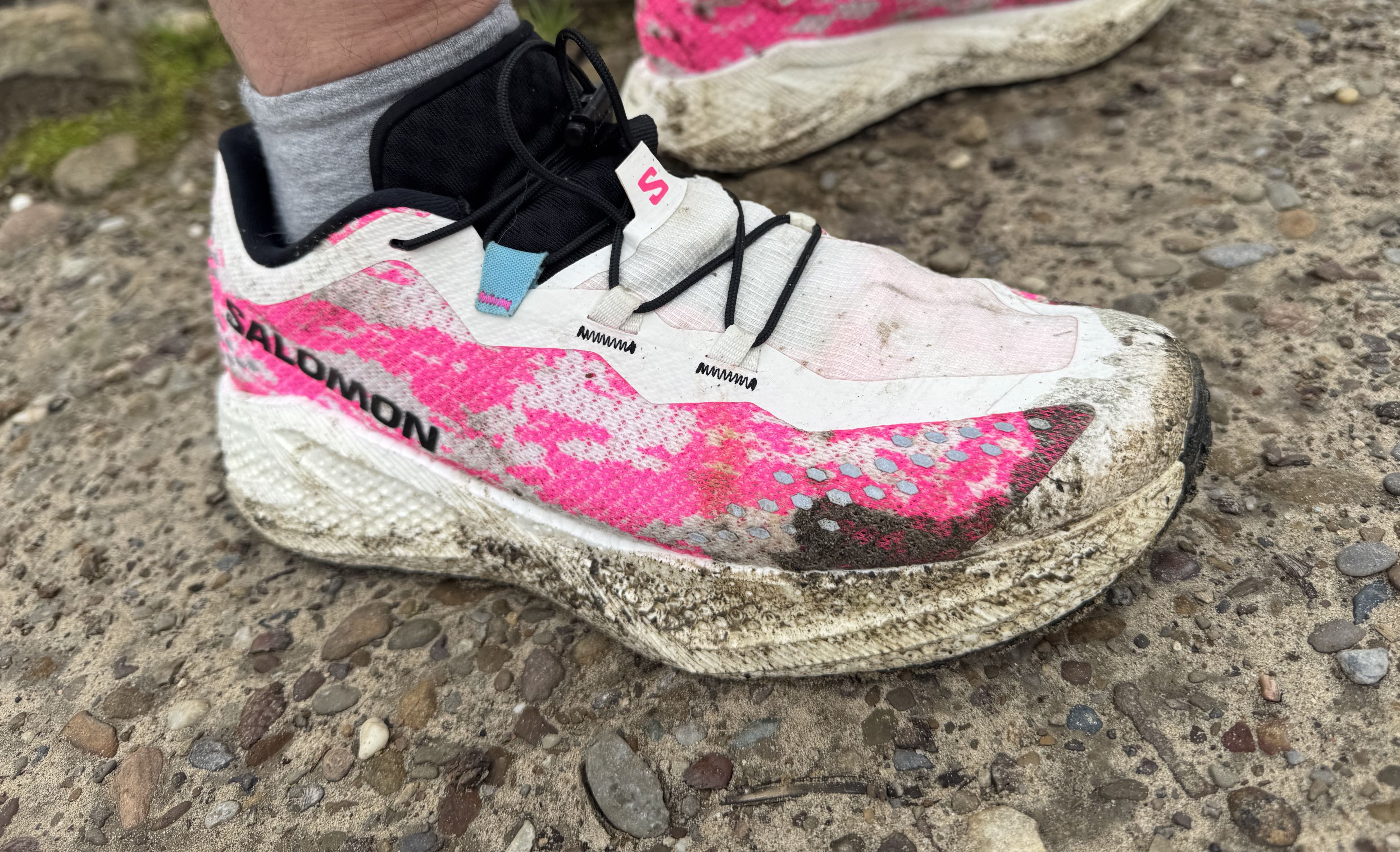
It still feels like a soft, cushioned road shoe underfoot, but the added traction from the gravel-tuned outsole gave me noticeably more confidence. I actually did a similar run in Hoka Cliftons, and they slipped more.

This felt like the perfect middle ground.

If you run in winter conditions like this, this shoe makes a ton of sense. I would absolutely use it again in that exact scenario.

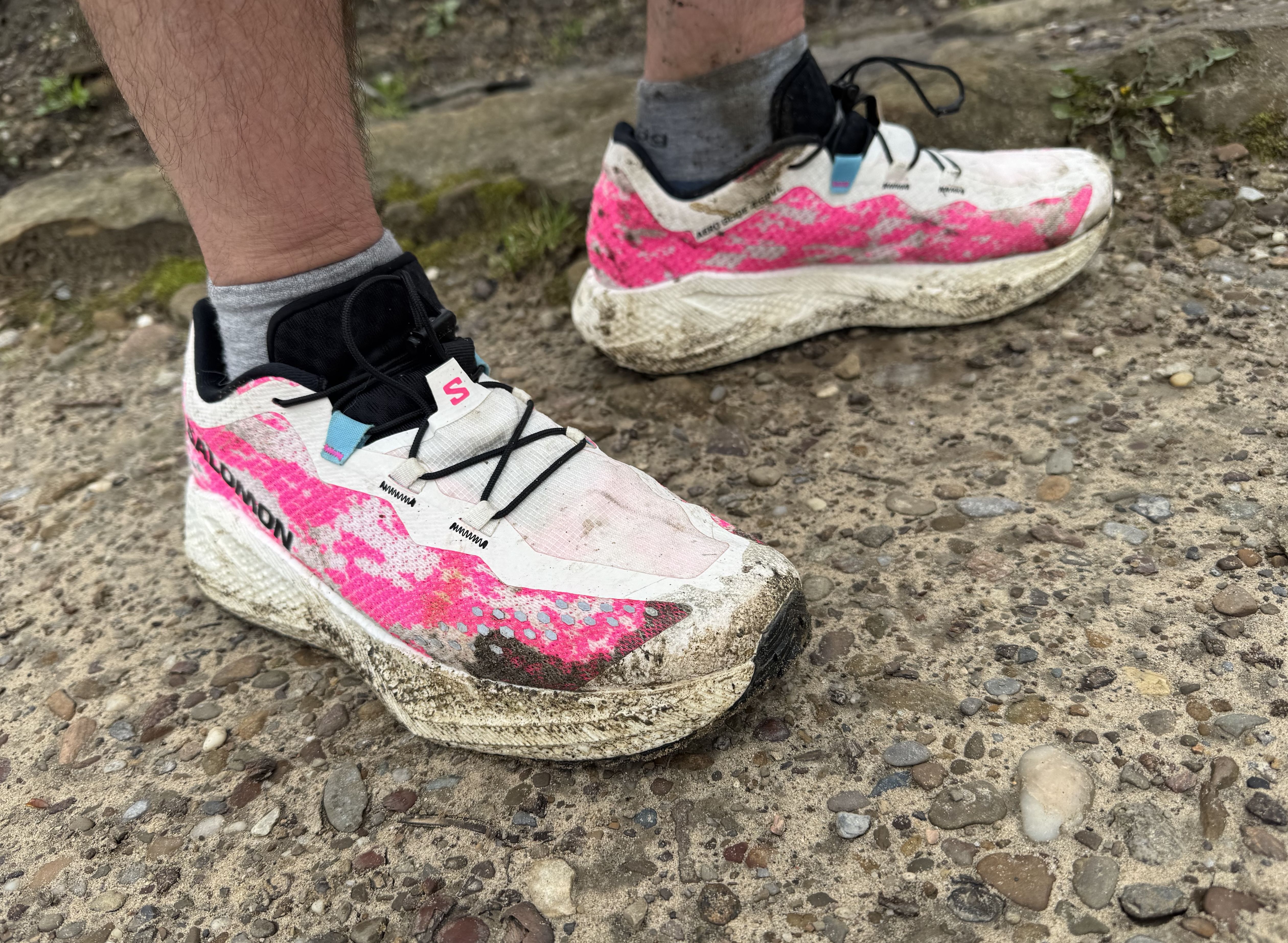
Run #2: Road to Trail Mix

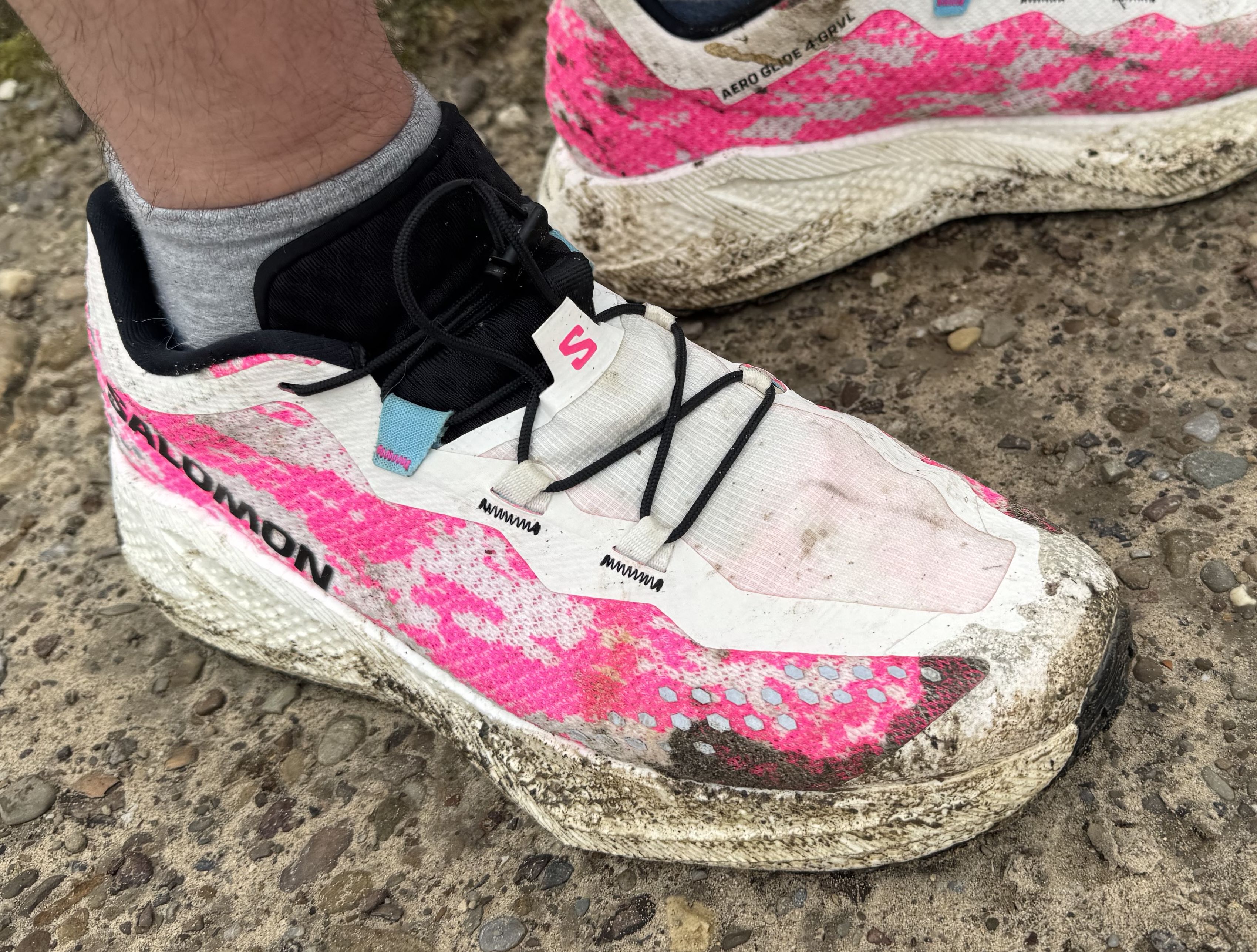
My second run was about 8.5 miles:

  •  ~4.5 miles road 
  •  ~1.5 miles technical single track 
  •  ~2.5 miles gravel / crushed limestone 

This is where you really understand the shoe.

On the road, it feels good. Not elite-level road shoe good, but you’re not sacrificing much. It’s a high-stack, cushioned ride (41mm heel / 33mm forefoot, 8mm drop ), and it holds its own.

On gravel and crushed limestone — this is where it feels better than a traditional road shoe. More grip, more confidence, smoother transitions.

On technical single track — it’s fine, but this is where the limits show up. You don’t get the bite or precision of a true trail shoe, especially on uneven footing, inclines, and more technical placements.

For that specific mixed run though, it was a really good fit.

Fit & Upper

I went true to size (US 10.5) with no issues.

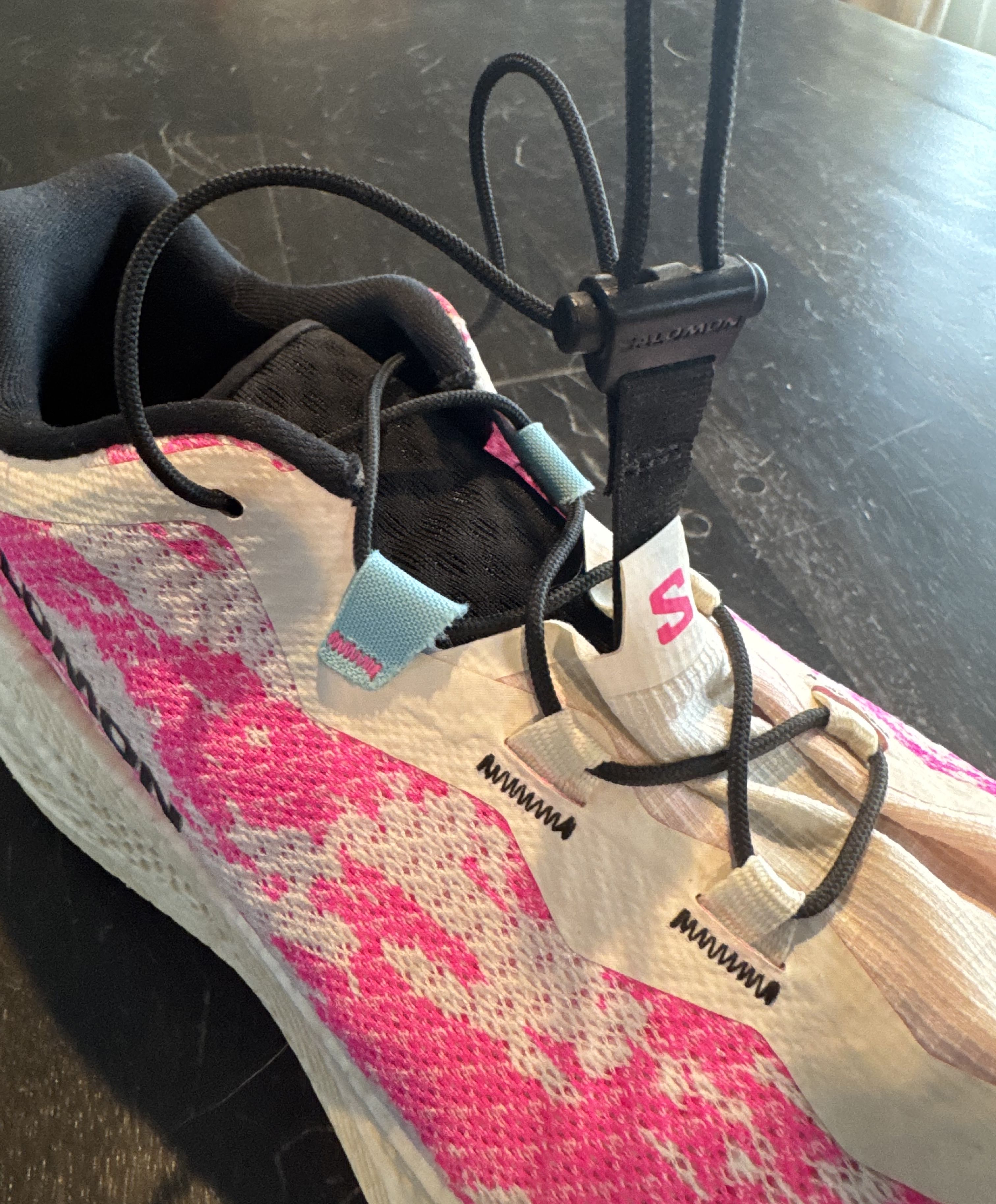
The Quicklace system is solid. Salomon added a one-handed tightening concept with an anchor point near the tongue. It’s a nice idea, but in practice it didn’t feel much different than their standard Quicklace — both are already easy.

Lockdown is good. The upper feels like a road shoe but with a bit more structure and protection.

The 3D mesh design down the middle breathes well, and I’d expect this shoe to drain and dry quickly, although I didn’t fully soak it.

Comfort was excellent over 8+ miles.

Ride & Underfoot Feel

This is clearly more road than trail.

You get:

  •  soft cushioning 
  •  good responsiveness 
  •  a stable platform 

It uses a high-stack foam setup designed for comfort and rebound across surfaces , and that shows up in the ride.

It doesn’t feel sloppy or unstable, which is important when you start mixing terrain.

Where It Fits (and Where It Doesn’t)

Where I’d use it:

  •  Snow-covered roads in winter 
  •  Gravel and crushed limestone paths (towpath running in Ohio is a perfect example) 
  •  Road-to-trail routes where trails aren’t highly technical 
  •  Mixed surface runs where you don’t want to swap shoes 

Where I wouldn’t:

  •  Technical single track 
  •  Dedicated trail days 
  •  Pure road days where you want max performance 

I really dislike running on asphalt in aggressive trail shoes. This solves that problem.

Even short stretches of pavement in a mixed run can feel off in a fully lugged trail shoe. The ride gets a bit clunky and firm, and you notice the lugs more than you’d like. It’s not terrible, but it’s enough to take you out of your rhythm.

This keeps things smoother. You still get a comfortable, natural ride on asphalt and concrete, without giving up the traction you need once you move onto gravel or dirt.

Final Verdict

I went into this skeptical of the “gravel” category.

I came out thinking it actually makes sense.

This isn’t a replacement for a road shoe or a trail shoe. It’s a bridge between the two — and for certain use cases, it’s the better tool.

Who This Is For

  •  Runners mixing road + gravel regularly 
  •  Anyone running in winter conditions where roads are partially covered 
  •  Towpath / crushed limestone runners 
  •  People who hate wearing trail shoes on pavement 

Who Should Skip It

  •  Trail runners needing grip on technical terrain 
  •  Road runners looking for a pure performance shoe 
  •  Anyone wanting a one-shoe-for-everything solution

Bonus: The Colorway

I tested the Vanilla Ice / Knockout Pink.

At first — a bit much.

Now? It’s grown on me. I’ve gotten multiple compliments, and I get it. It’s loud, but it works.

This is an incentivized review

This pair was provided by Salomon for testing purposes, with no expectations regarding content or evaluation.

Comments

Login to your account to leave a comment.

Subscribe

and never miss our new running content!
(you also score chances to win gear)
676
David Moore
Moderator
Silver Lake, Ohio
45 Followers
112 Following

Amateur runner, bicycler and swimmer. I alternate way too frequently between trail and road running. 40 mile ultra two times....

More WeeViews

Image of Mizuno Neo Zen 2
Full Review
Image of Other Li Ning Superlight 23
Full Review
Image of Other Kiprun Kipsummit Race
Full Review
Image of Other Qiaodan Wind 4
Full Review
Image of Other La Sportiva Prodigio Pro
Full Review

Recent Rundown

Search

Want to Earn Free Running Gear?

We Want to Give it to You!

Earn Free Gear by Sharing Reviews