Upload / Capture
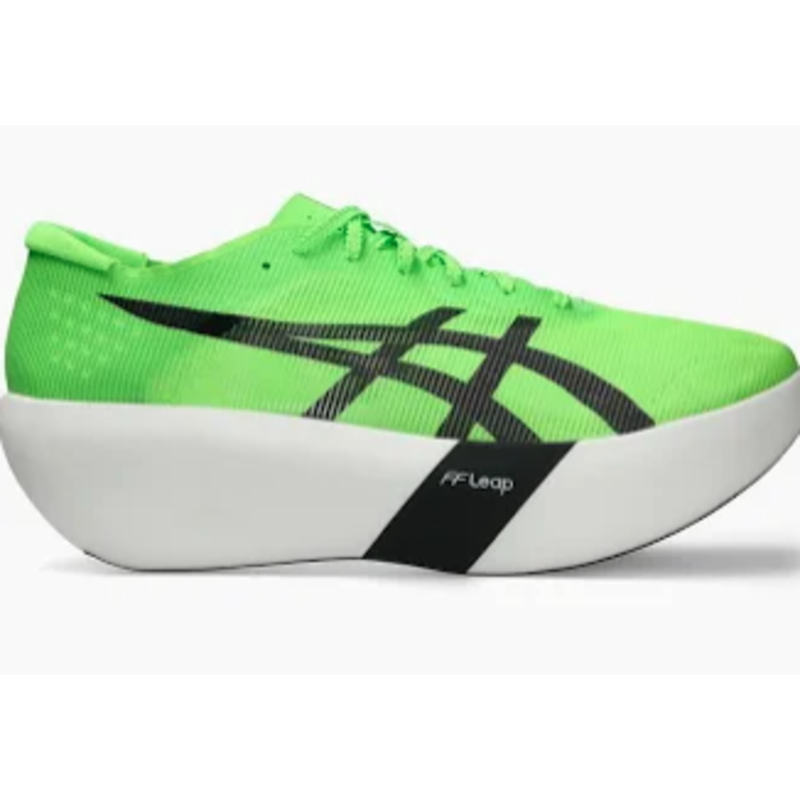
I was genuinely excited to try the ASICS Metaspeed Ray, but actually getting my hands on a pair felt way harder than it should have been. ASICS has been leaning pretty hard into limited availability lately, and this shoe definitely falls into that category. I don't think the problem is they didn't make enough, i think they are just choosing to release very few.
The Metaspeed Ray sits alongside the Sky and Edge but takes a noticeably different approach. ASICS has released a lot of performance shoes lately, and it’s easy to lose track of where each one fits. The Ray is a lot softer than he Edge and Sky.
Quick FactsWeight:
Men: 4.8 oz
Women: 4.5 oz
Stack Height: 39.5 mm heel / 34.5 mm forefoot
Drop: 5 mm
Price: $300
Best for: Speed workouts and racing from 5K to half marathon
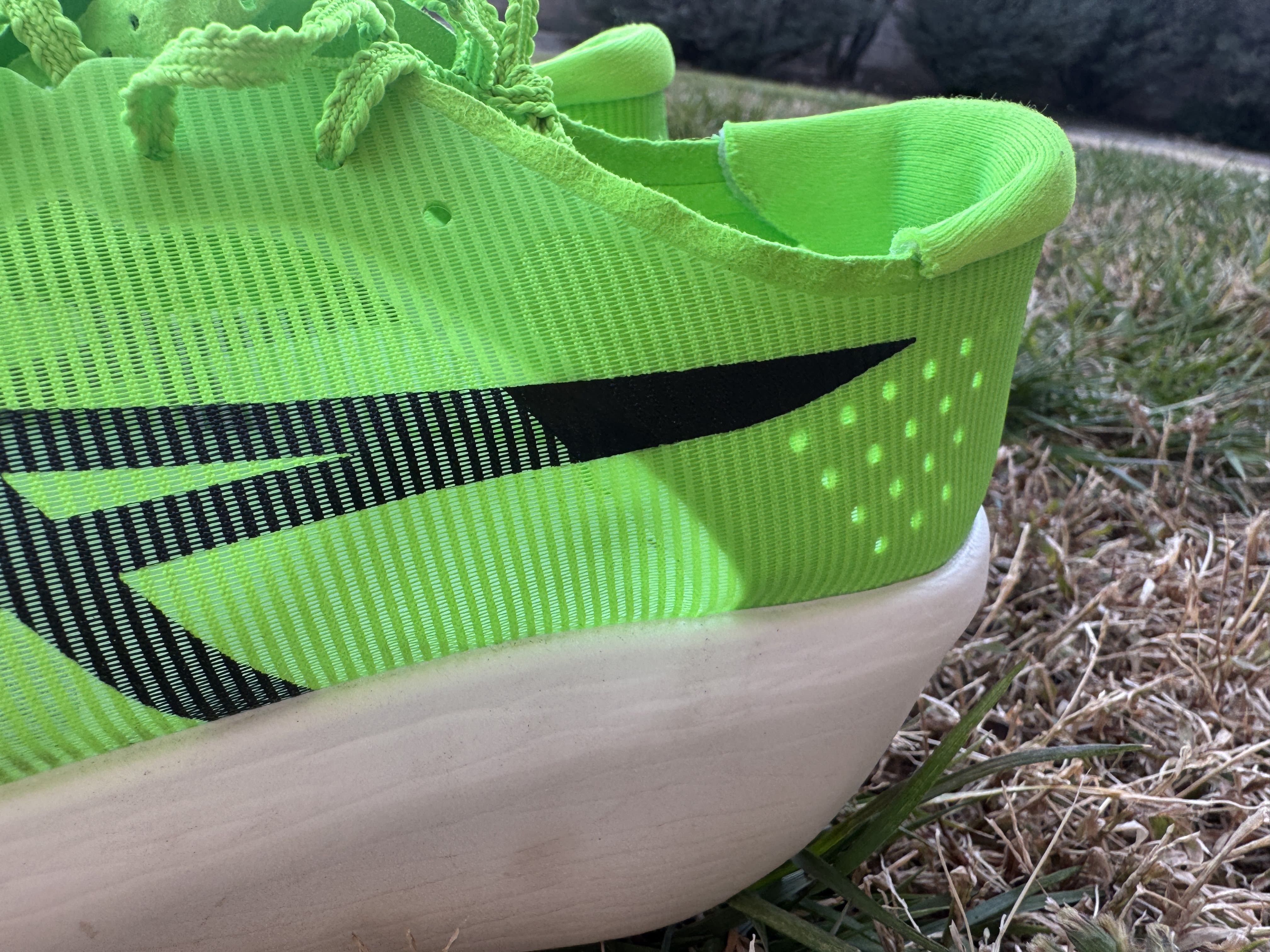
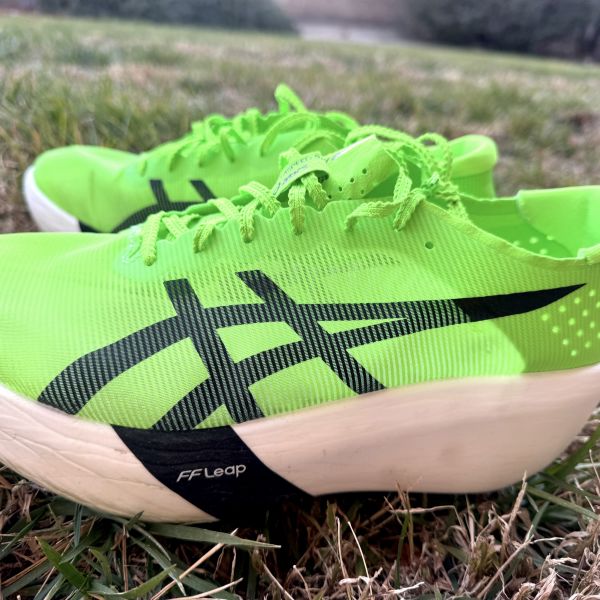
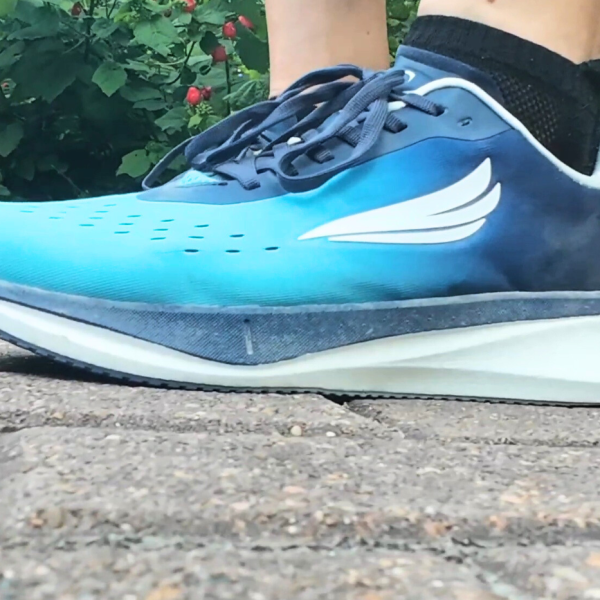
The upper is thin, minimal, and very intentional. There’s no excess material, but it still feels secure. I actually prefer this style for racing because it doesn’t trap heat or feel bulky. Even running in dry, warm conditions, my feet never felt overheated.'
It’s one of the lightest uppers I’ve run in, and that’s obvious the second you pick the shoe up. The fit is snug without being harsh, and once you’re moving, it disappears. That’s always the goal. There are little holes on the side for better breathability. I'm a huge fan of the lightweight upper and it's probably one of my favorite uppers of a running shoe this year.
The toebox isn’t wide, but it’s not painfully narrow either. ASICS tends to run on the more narrow side, and this is no exception. If you normally need extra width, you’ll probably want to size up. For reference, I usually wear a women’s 10 or 11 depending on brand, and the 11 felt right here.
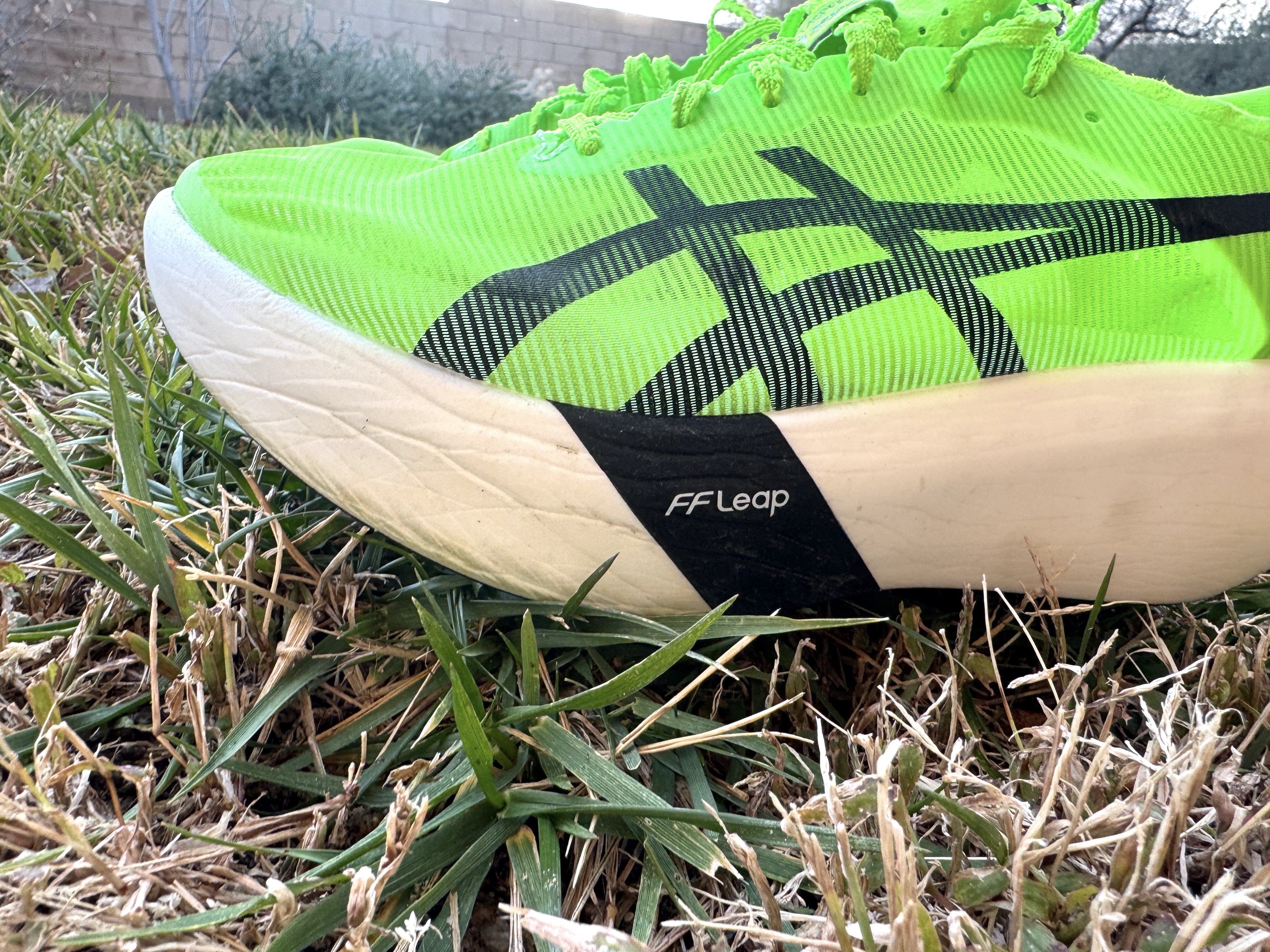
The first thing that stood out when I picked these up was how light they felt. Genuinely light. To be honest, I was shook. The only shoe I can remember being this light was the Saucony Endorphin in 2016. On the run, the midsole feels responsive without being overly springy. This isn’t a shoe that launches you forward; it’s one that rewards quick turnover and controlled effort.
The FF Turbo foam gives just enough softness to protect your legs, but it doesn’t sink or bounce excessively. I actually prefer that. It feels more like a modern version of a classic racing flat than a maxed-out super shoe.
At faster paces, it feels smooth and efficient, and the lighter build makes it easier to hold speed. I can see why faster runners would really like this model. I'm not an elite runner, but I still enjoyed how responsive it felt without being demanding.
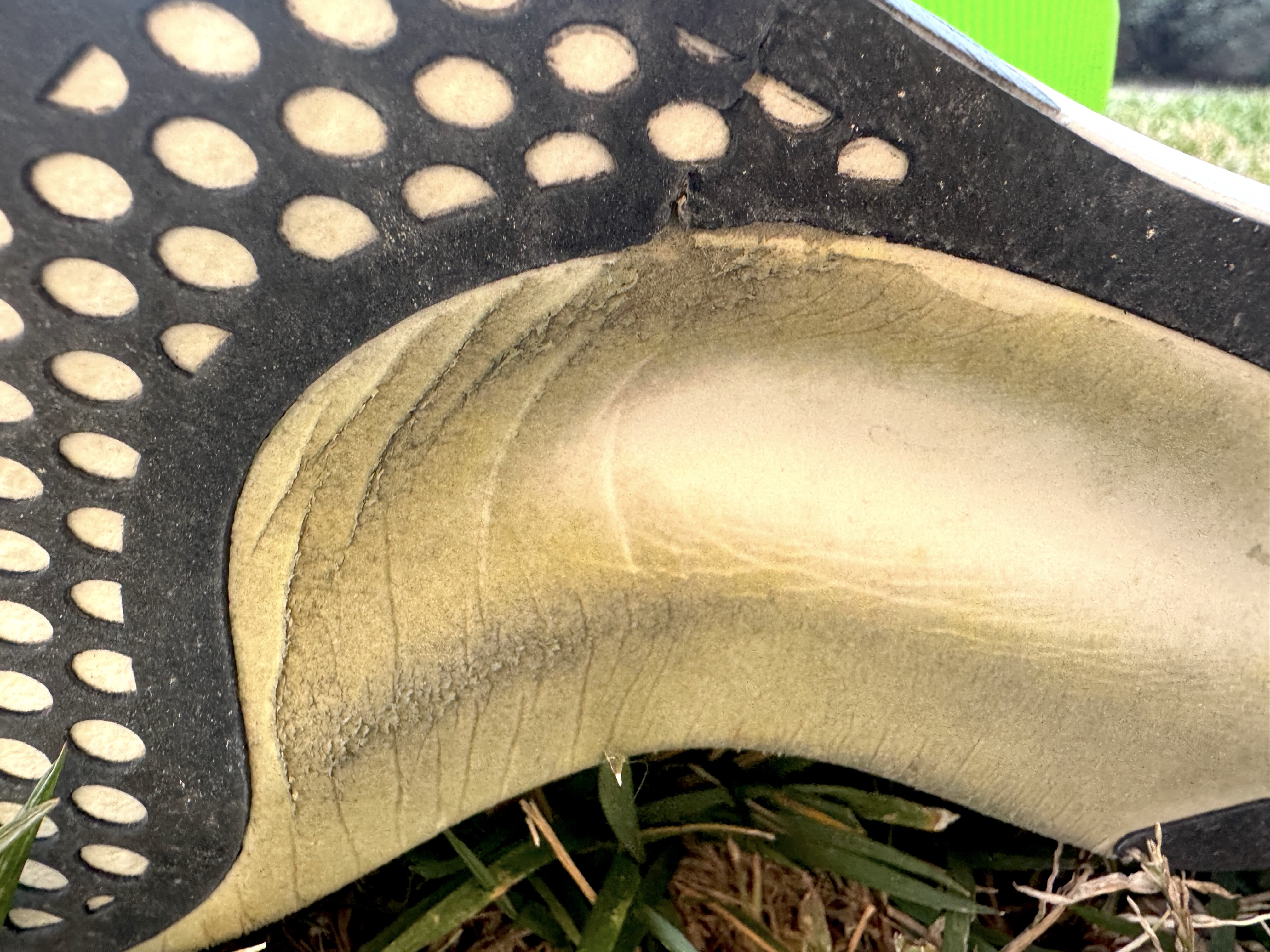
That said, this is not a daily trainer. The foam already shows signs of wear, and I wouldn’t want to waste mileage on easy days. Honestly, I'm actually disappointed at how much the midsole has already compressed. They don't have more than 30 miles on them. This is a shoe you pull out when the workout matters.
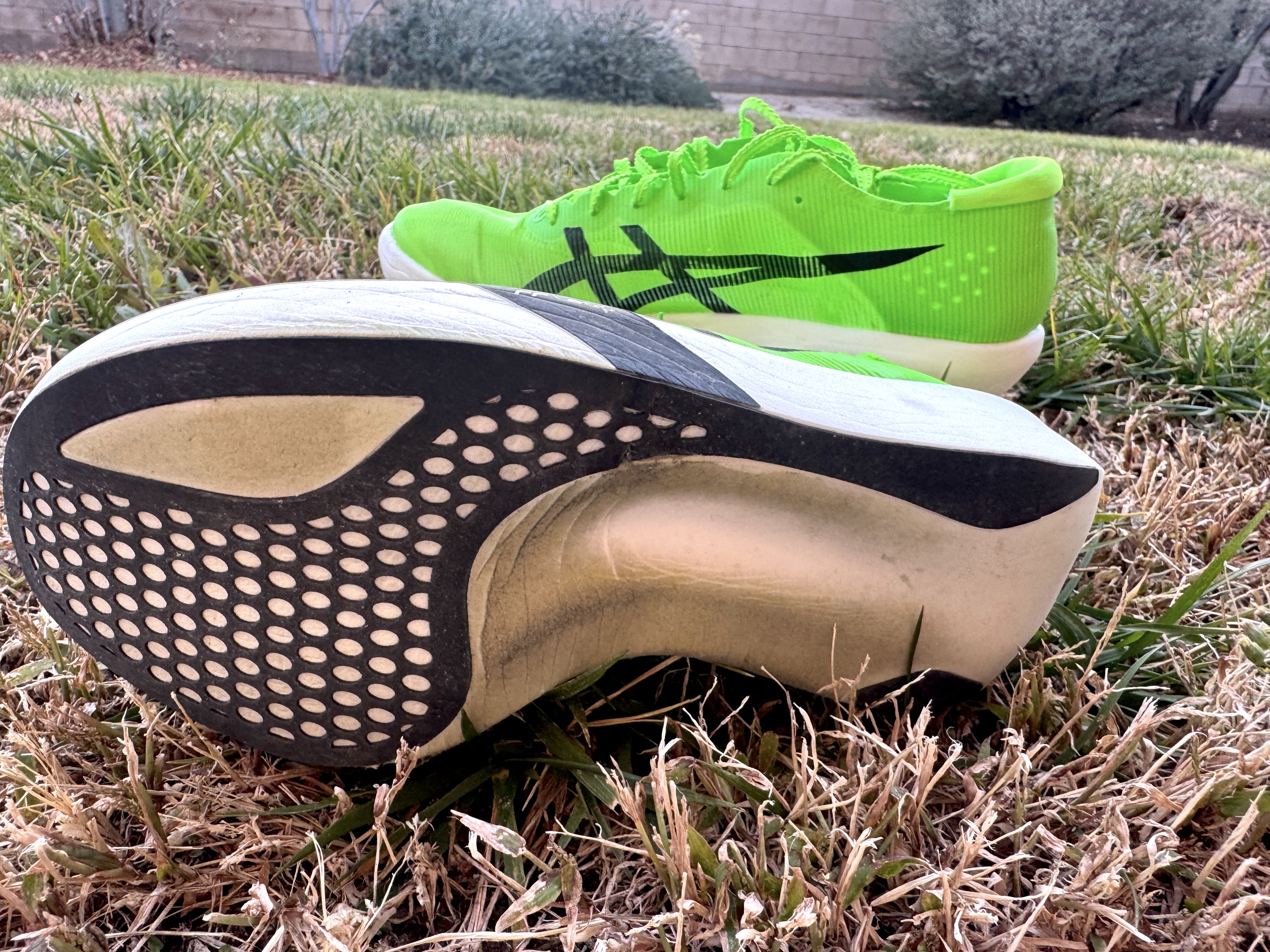
The outsole uses a mix of rubber that grips well on both road and track. Traction has been good for me, even on slightly damp pavement. I’ve taken it through turns at speed and never felt unstable.
Like I mentioned, durability is limited. After around 30 miles, I can already tell this isn’t a shoe that will go the distance. I expect somewhere between 50 and 100 miles total, depending on how hard it’s pushed. For a race-day shoe, that’s not surprising but this might be the least durable super shoe I've tried.
The Metaspeed Ray fills an expensive space between traditional racing flats and modern super shoes. It’s light, quick, and responsive without feeling overly engineered. I enjoy how natural it feels underfoot, and it’s a fun shoe to run fast in.
Who Should Buy it?
Who Should Not Buy it?
I was paid to write an honest shoe review of my choice.
Login to your account to leave a comment.


We Want to Give it to You!