Upload / Capture
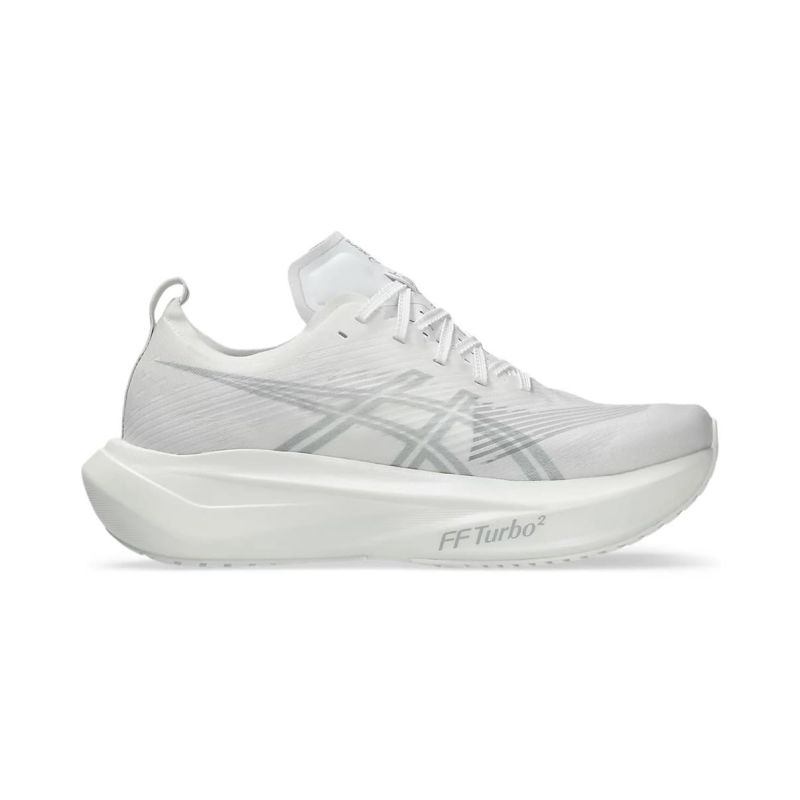
"This shoe has the rare combination of extreme cushioning with decent bounce, a poor man's version of the heel of the Asics Ray but stable"
I don't think it's too expensive considering the value in longevity. Yeah, its 2023-tech 6th-gen foam(aliphatic TPU) isn't as durable as 5th-gen TPEE, but it still doubles what you get out of 4th-gen PEBA which tops out at 300K(186mi)
(Higher is better)
Density:37.2061766
Light Performance:223.136
Heavy Performance:43.6992325
31miles:965
(Lower is better)
MarathonLastMi:13.11%
Light Comfort:155
Heavy Comfort:581.2
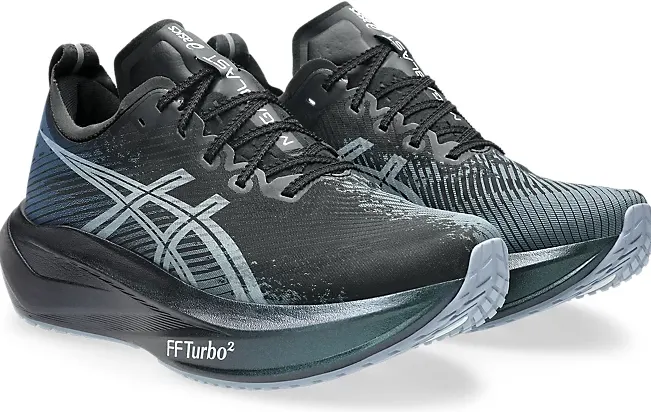
I really enjoy the feel of this shoe when running, but not for anything else because otherwise it feels unremarkable.
There's a really nice bounce sweet-spot(B-spot) under the forefoot, but the bounce in the heel is even more noticeable, it's one of the most efficient for going down hills. The bounce itself is propulsive, but not explosive without some serious speed, it's a standard deviation below true race-shoes(which cost much more, good value here) but still a standard deviation above such favorites as the Asics Superblasts or Nike Vomero Premium.
The heel feels even more stable than the front(which is nimble for direction changes) thanks to a non-tapered midfoot.
The best part of the ride is the deep cushioning, it has a high stack and the only shoe that beats it on both counts by a bit is the similarly priced Vomero Premium which is 10mm higher, but Nike can't match the bounce. (Mizuno NeoVista2's heel-hollow almost matches Nike's cushion but the forefoot falls behind both competitors.)
It feels great running fast, and could be average at everything else except it feels like a brick when walking compared to the most comfortable shoes. The reason for this is a property of urethane which is firm but softens with force, the opposite of non-newtonian TPEE(polyester) which, inversely, is soft but firms up quickly with force.
I think you could use it for anything with sufficient pace to get the desired reactiveness, but the stack is pretty high up front so a Nike Streakfly might be preferable for top-speed sprints on a track. You can get up to top speed, but it feels like it would be more efficient up there with a more aggressive rocker(you'd lose the epic cushion then, though) so I like it when I am anywhere but up on my toes sprinting flat-out.
While it's not one of those shoes I would urge as a must-have, especially if you already fleshed-out your rotation, because its specialty is heavy-pounding cushioning and you may have niche shoes versus this all-rounder(the weight is low for the stack but still 90g[3oz] more than the very lightest.) But on the other hand, for a beginner this could replace an entire rotation.
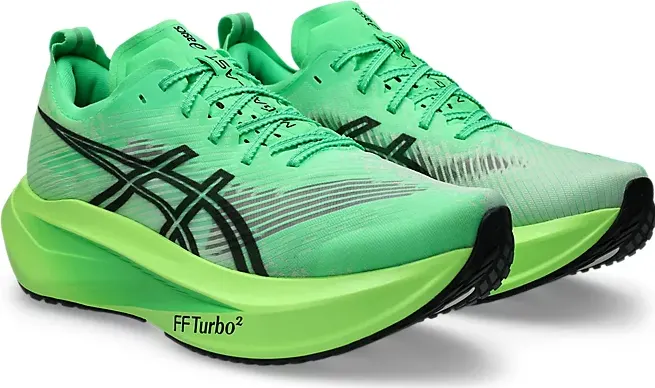
The substantial tread-depth(and deep grooves that avoid hydroplane-prone flatness) give you confidence in any weather, including shallow mud. This is the only shoe that can race in the rain, Adidas Adios ProEvo and Puma Fast-R3(Puma's usually good) are a joke unless dry.
The wear abrasion-resistance is only a bit better than average because it's so sticky, but it might last the 600K(373mi) lifespan of the midsole.
ASICSgrip is the stickiest in the business(The S4+Yogiri is in a class by itself) and this is no exception, with a top-tier overall-combined traction rating of 8.9
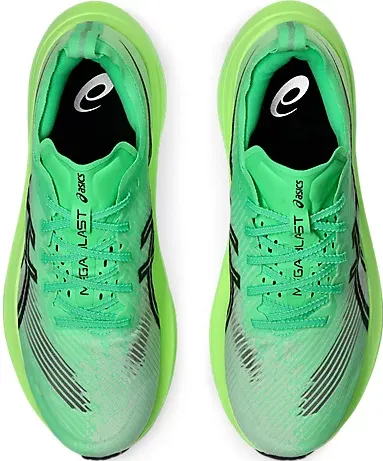
The feel is form-fitting with no slack or roominess, but that just means the hold is secure for race-day which you need for a high stack.
As I mentioned, the forefoot is nimbly-shaped(pointy and tall,) but that means you can roll your foot(oversupinate) if that subtle lateral lip catches a curb, so you need the security.
To put it on, you must loosen the laces every time, but only the top half, then you force your heel down until it pops below the voluptuous heel padding. The lockdown is secure from that and there's no rubbing there or anywhere due to the lack of over/underlays.
The laces are high-quality sawtooth, so you don't need a double-knot, saves time taking them off, though you do have to loosen the top two eyeholes for that.
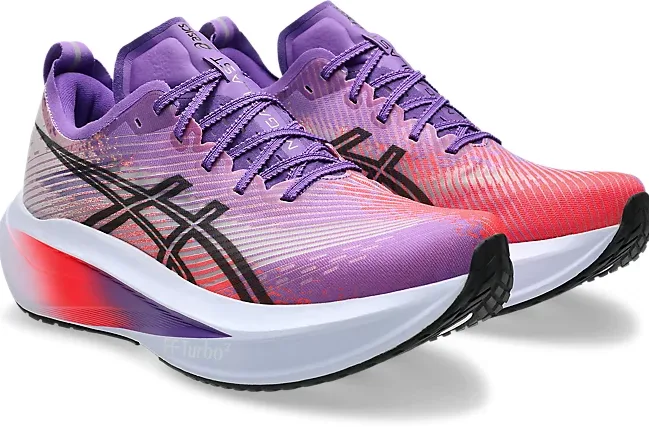
No matter how good a shoe is, there might be room for improvement:
This shoe features a 4.4mm footbed that only uses the absolutely bog-standard technology available for insoles: lowly 1974-tech first-generation foam: vinyl (EVA.) This isn't as good as it gets from a factory, with nothing remarkable whatsoever, so I could make it better:
The shape of these have upwrap sidewalls, but my replacements don't. This could cause pinching with thin-socks between the upper and the height/depth of the insole, it's not enough to cause pain or irritation and it's not as bad as it could be since the replacements are wide enough.
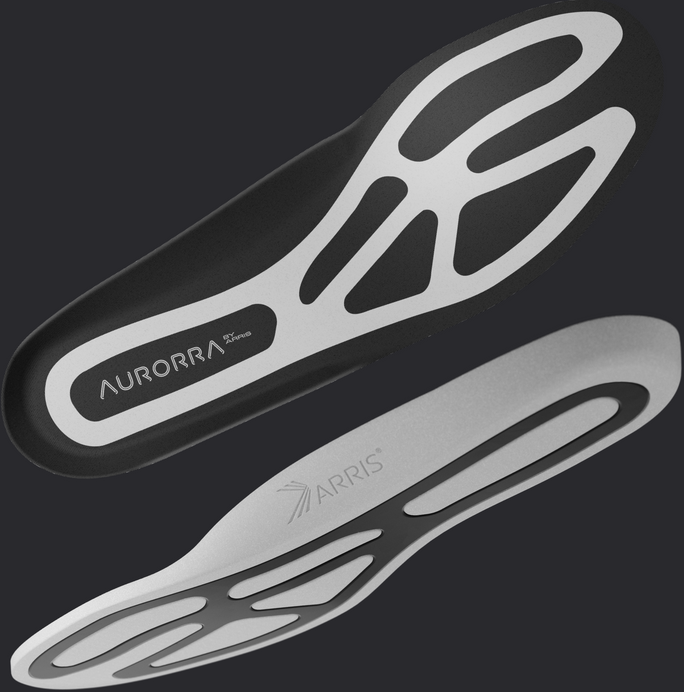
I had enough room due to my low-volume-instep foot to use a full-size-down insole from Arris, which also contains the same lightened-plate found in the Brooks HyperionElite series.
This 2017-tech fourth-generation foam PEBA(nylon) insole added 1.6mm(6-4.4mm) to my stack height, now at 38.6/46.6mm(1.52/1.84") total and 14g(28-14g) to my weight, now at 255g(9oz.)
This upgrade makes it more comfortable(slightly less firm) without sacrificing bounce.
They can be ordered separately for $89 shipped and have an odor-repelling non-slip gripcover.
It's already an inflexible shoe and the Aurorra's carbon isn't really that stiff anyway, so the combination means in this particular shoe you won't notice any extra snap, but it adds comfort and bounce while delaying wear on the midsole(an actual issue with ATPU) by distributing foot-pressure points evenly across the plate.
Login to your account to leave a comment.



We Want to Give it to You!